How can sausage-like double eyelids be corrected?
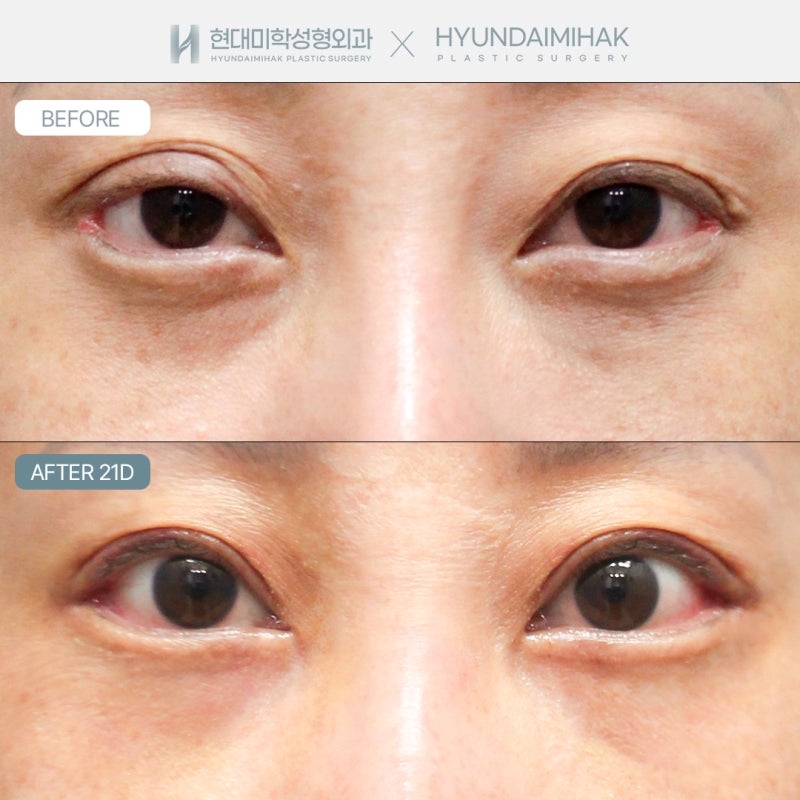
Many people choose double eyelid surgery for clearer, more beautiful-looking eyes. However, if the eyes look heavy or unnatural after surgery, it can lead to deep regret. Since the eyes play a major role in determining a person’s overall impression, the decision and procedure must be approached with extra care. Today, we will look at the “two-line correction” method used to correct what is commonly called sausage-like double eyelids.
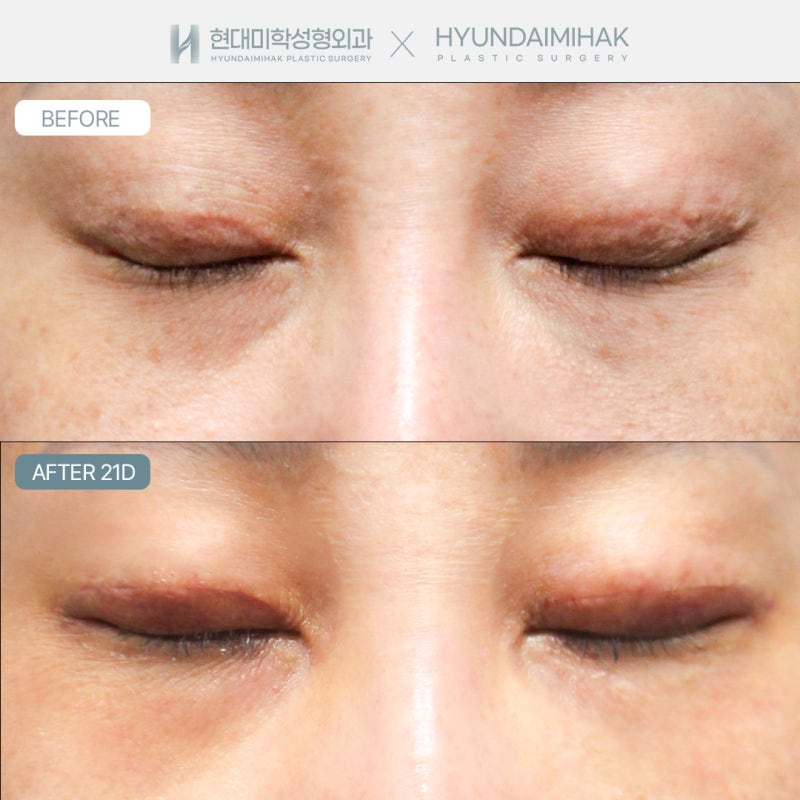
In most cases, swelling gradually subsides after double eyelid surgery and the line settles naturally over time. However, when the line remains thick as if the swelling has not gone down even after time has passed, the causes can generally be divided into three main categories. The most common case is a problem at the design stage, where the line was placed too high, creating a thick double eyelid that resembles a sausage-like double eyelid. Other causes include eyelids that are naturally thicker or have more fat than average, or cases where too much soft tissue around the double eyelid was removed or tied too tightly upward, resulting in a thick line.
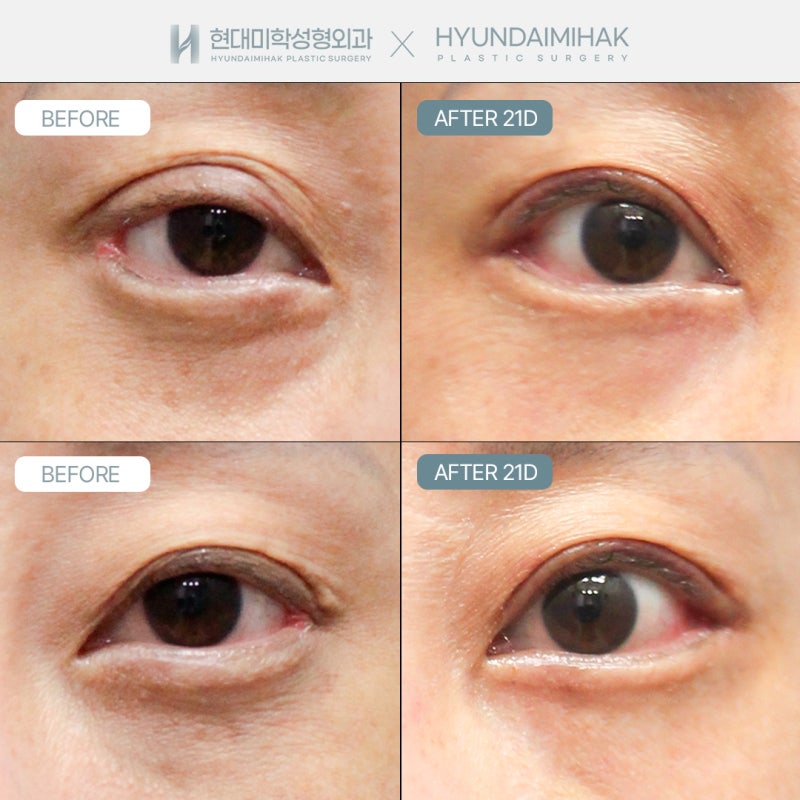
Because each person’s eye shape, muscle thickness, eye-opening strength, and pupil position are all different, it is important to plan carefully while considering these factors in detail. Rather than rushing into surgery for sausage-like double eyelids, you should undergo a precise examination of your condition and have sufficient consultation to find the most appropriate method for you. If you are not satisfied with the design after double eyelid surgery, correction may be attempted. If the surgery was performed with the non-incisional buried suture method, the tied areas can be released and re-tied. However, if it was performed with an incision, the procedure must be planned carefully so that two scars do not form.
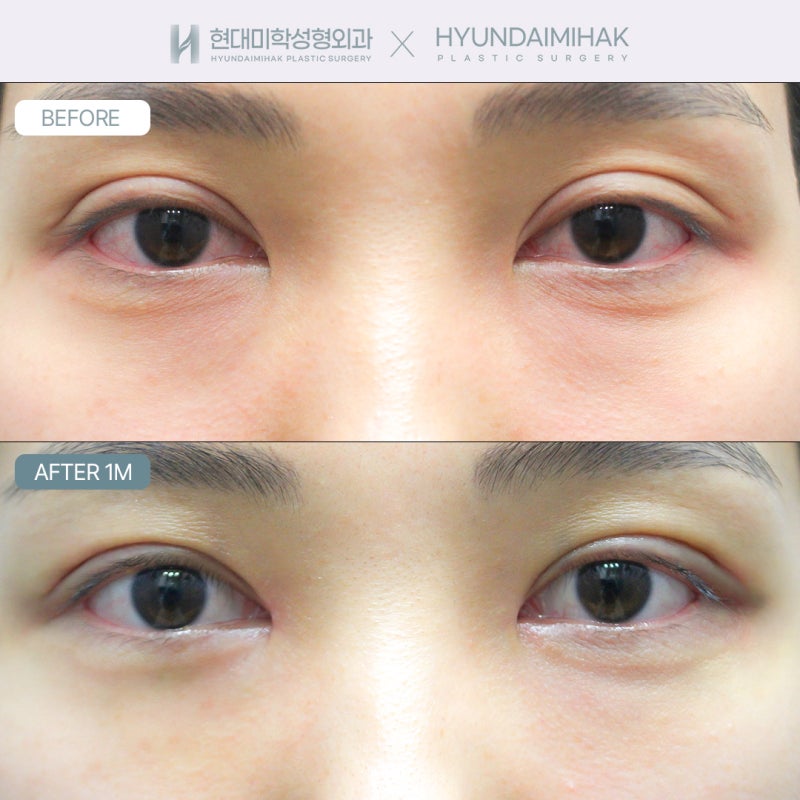
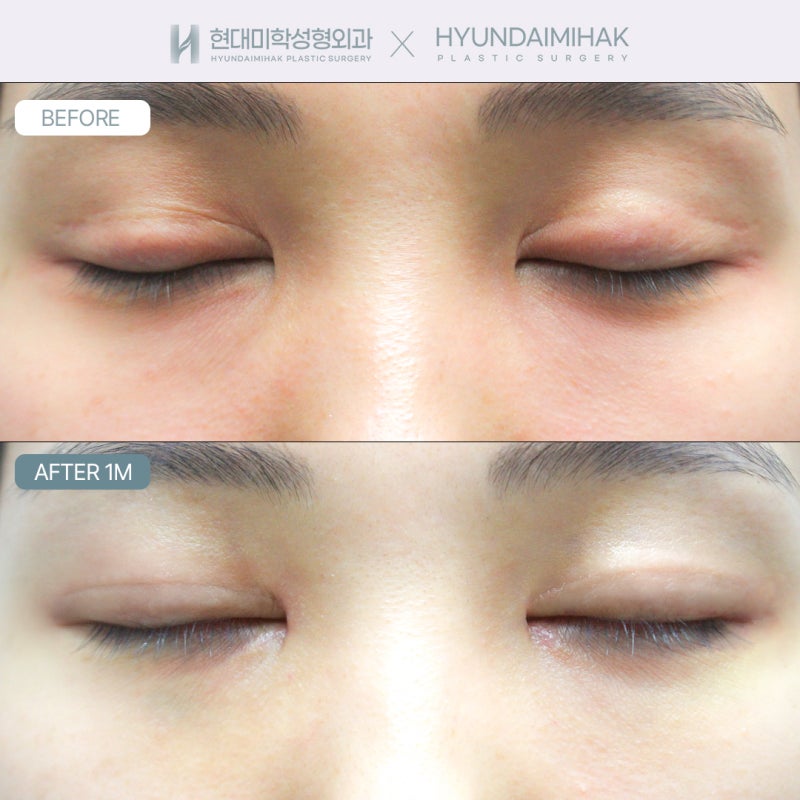
Two-line correction is a method used to correct eyes with thick, sausage-like double eyelids. It is mainly used when the current line needs to be lowered significantly. First, a new line is designed lower than the existing line and incised, then dissection is performed from below to release the existing adhesions. When the distance between the two lines is not very large, the scar tissue from the previous surgical area can be removed first and a new line created. However, if the difference is large, it may be more noticeable, requiring a highly advanced technique. Because a meticulous process is needed to minimize scarring as much as possible, it is best to proceed with the help of medical professionals with extensive clinical experience.
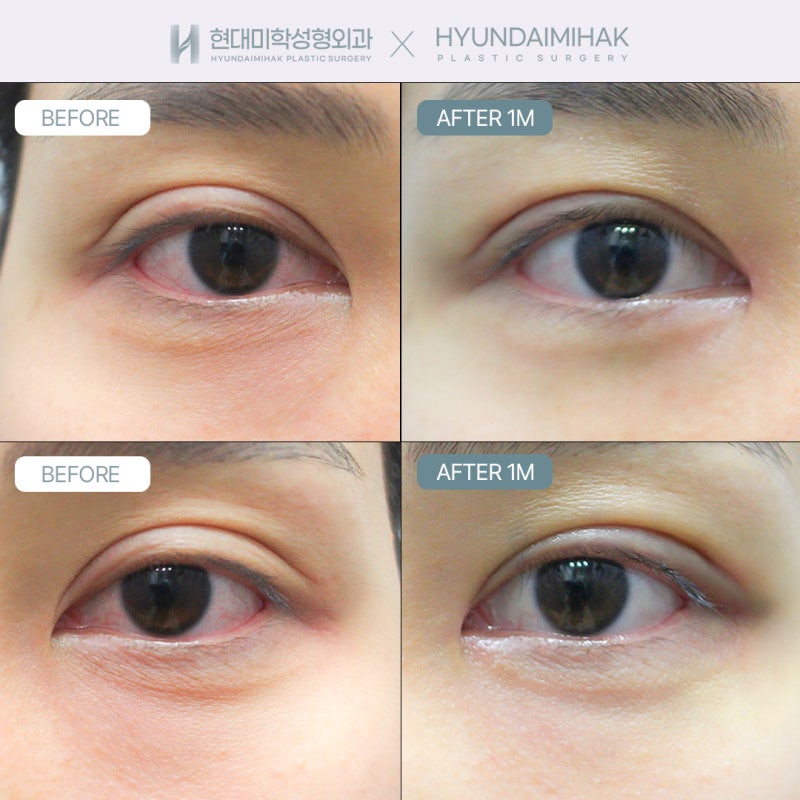
Also, if the issue is not simply due to an incorrect initial design, the cause of the thick double eyelid must be identified and addressed. If sausage-like double eyelids developed because of excessive fat, the fat should be removed and the eye shape newly corrected. If the problem occurred because the soft tissue was tied too tightly upward, the tied area should be released and the line recreated. In addition to two-line correction, there are various correction methods, so it is important to consider carefully and proceed in a direction that can leave minimal scarring through skilled technique.