Revision surgery can also be performed with a natural yet refined rhinoplasty approach.
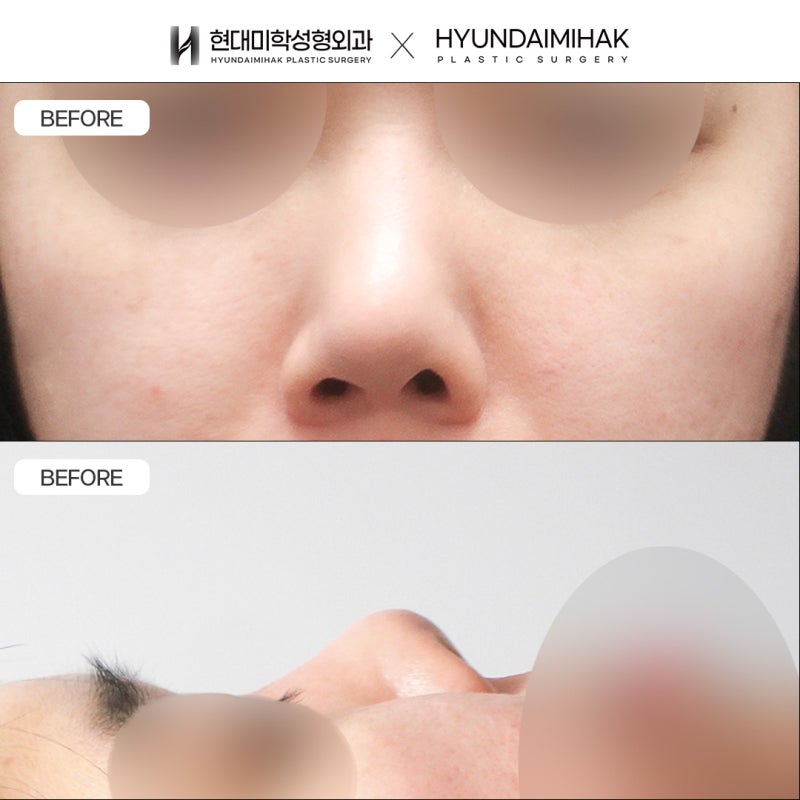
Hello, this is Hyundai Aesthetic Surgery. We often receive inquiries about revision surgery due to a nasal tip that has become upturned and shortened after rhinoplasty. There are various cases in which the nasal tip appears shorter after nose surgery. For example, before trends changed, some patients chose surgery because an upturned nasal tip looked attractive at the time, but gradually became dissatisfied with the design. In other cases, the nose may appear upturned due to functional problems such as contracture or necrosis during or after surgery, or implants or grafted cartilage may shift, be absorbed, or become deformed over time. Since we receive many revision surgery inquiries related to this concern, we would like to discuss this topic today.
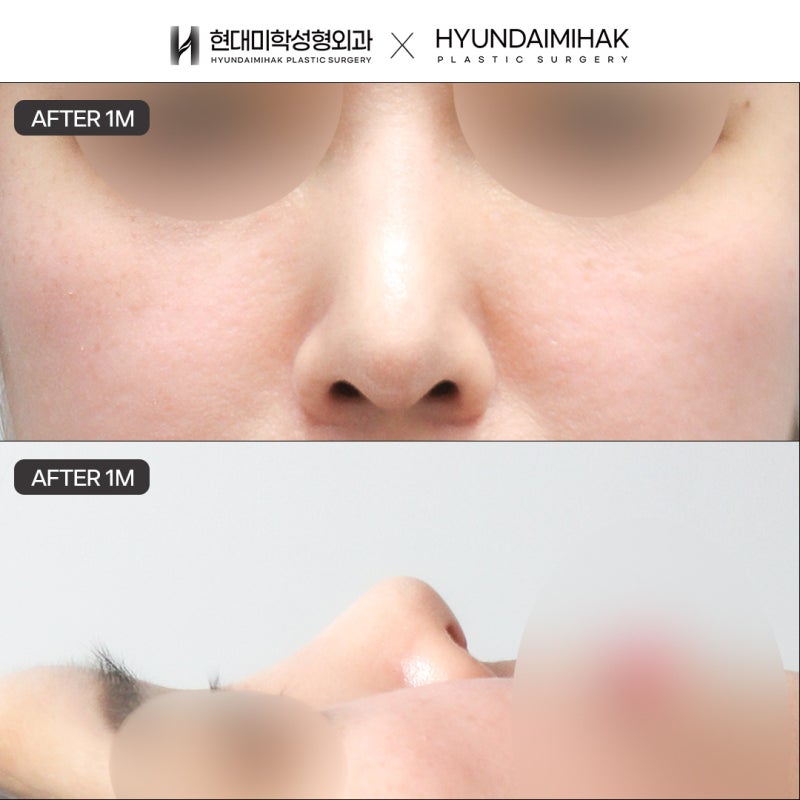
There are several ways to perform revision surgery to lower an upturned nasal tip. If inflammation or contracture has occurred, replacing the implant with autologous tissue can help lower the risk of recurrence. If cartilage is insufficient or damaged, cartilage may be harvested and grafted. If the cartilage has shifted position or become deformed, the nasal tip shape may be corrected through nasal tip cartilage repositioning. Since there are many other possible methods as well, it is advisable to consult and be examined at at least three clinics to identify the exact cause before undergoing nasal tip revision surgery.
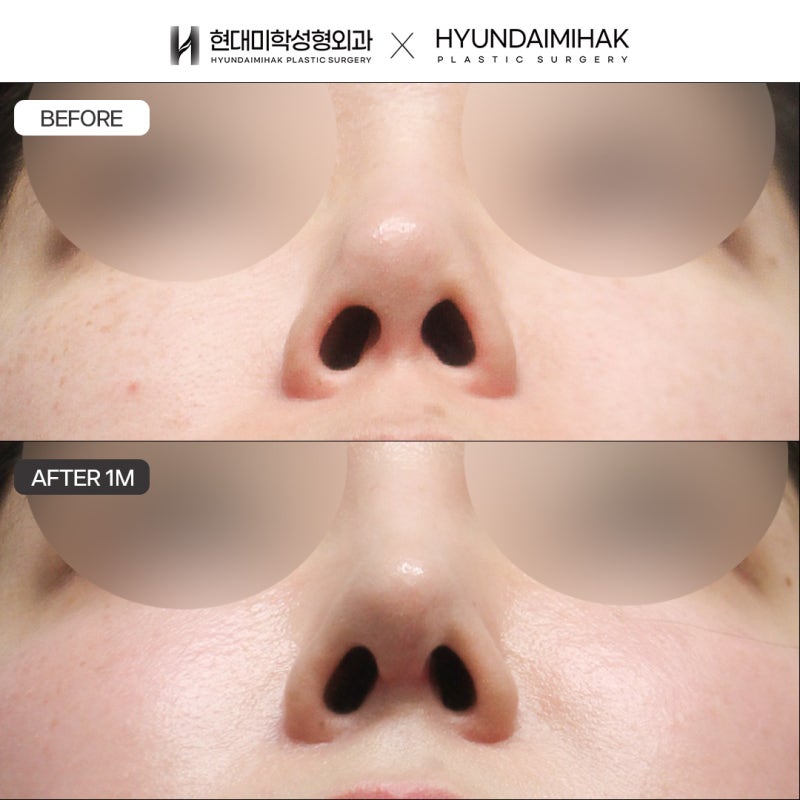
People considering a natural yet refined rhinoplasty often regard visible nostrils from the front, an upturned-looking nose, or a short-looking nose as design-related concerns that can be improved. Therefore, if you are considering revision surgery, it is important to make a careful decision. Because the design must take many factors into account, including the angle beneath the nose, the degree of nasal tip projection, nasal contour, width, and upward or downward rotation, it is safest to plan surgery through consultation with an experienced specialist who understands the importance of nasal tip design and has extensive revision surgery experience.
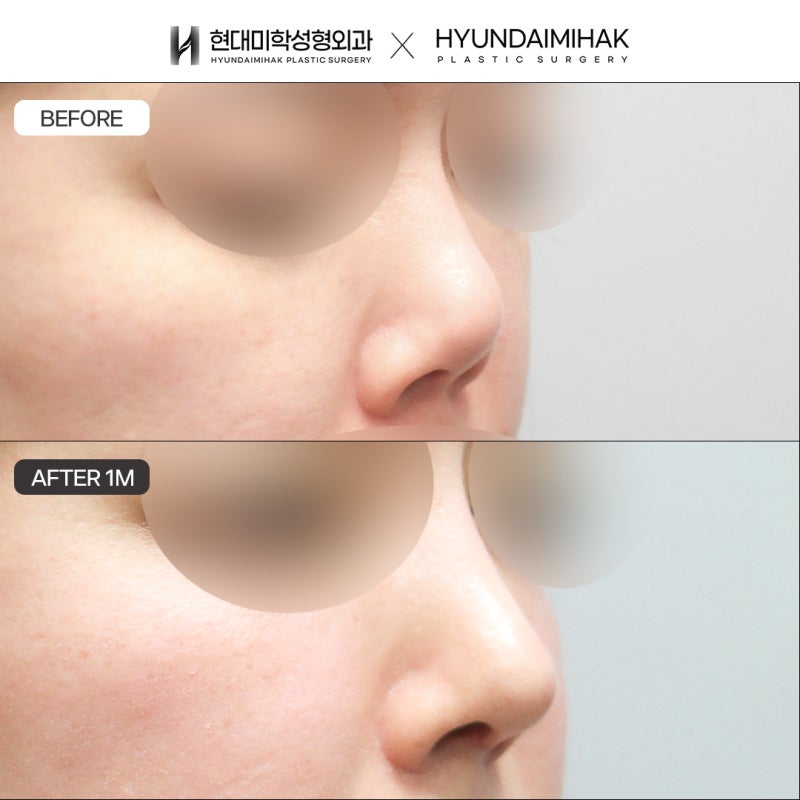
Nasal tip revision surgery may include cartilage reshaping, cartilage grafting, and augmentation rhinoplasty to raise the nasal bridge. Although there may be exceptional cases, in many cases where a natural yet refined rhinoplasty is achievable, the septum is usually short. When this is the cause, cartilage grafting alone may be enough to improve the concern and provide a solution. However, even for patients whose concerns cannot be resolved with grafting alone, a natural yet refined rhinoplasty can be corrected through an extension procedure.
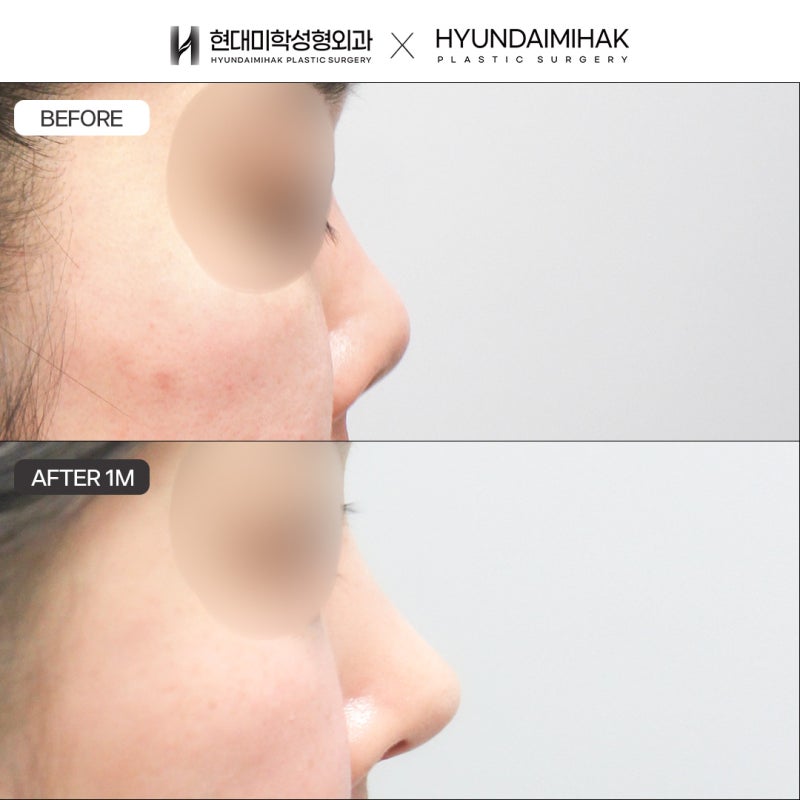
In severe revision cases, part of the septal cartilage used in natural yet refined rhinoplasty can be harvested and placed on the lower portion to extend the length of the septum. This can be considered one of the most effective methods for lengthening a severely short septum. If the nasal bridge is low, augmentation rhinoplasty to raise the bridge can be performed at the same time to improve the overall shape and length of the nose.
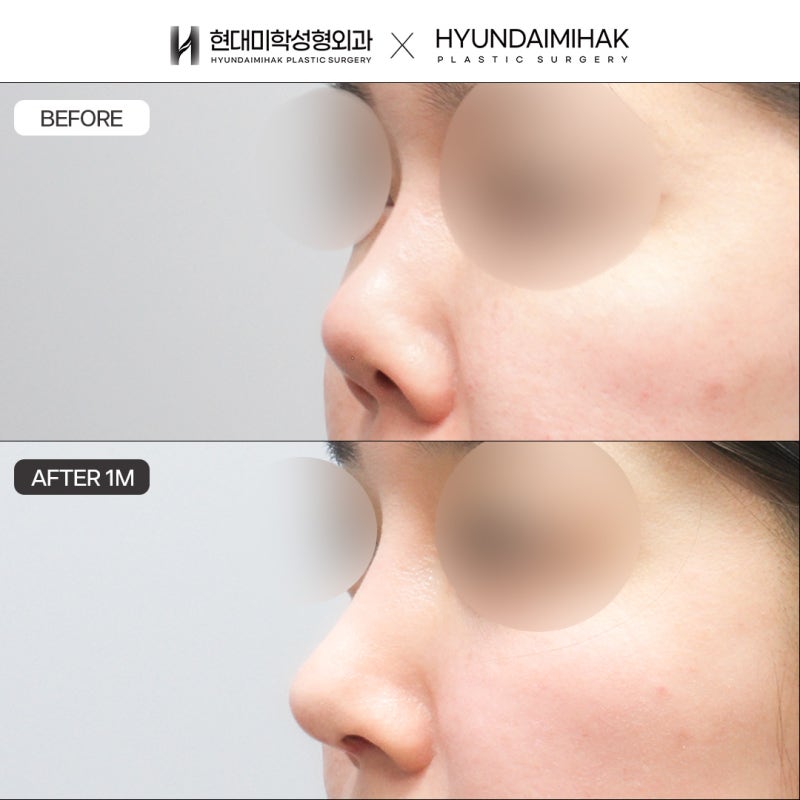
Because each person has a different nasal condition and case, it cannot be assumed that everyone is the same. Nasal tip revision surgery is far more complex than the initial surgery, so even if it feels inconvenient, accurate answers should be obtained through consultation with a specialist. In particular, the outcome can vary depending on the choice of materials and surgical method, so we strongly recommend receiving a proper examination. Thank you.