Incisional Ptosis Correction Surgery for Easier Eye Opening
Hello, this is Hyundai Aesthetic Surgery. Among patients who visit us for eye surgery consultations, many ask which procedure is commonly performed together with double-eyelid surgery. Double-eyelid surgery and epicanthoplasty or canthoplasty can create good synergy, but one procedure often combined with double-eyelid surgery regardless of gender is ptosis correction. While double-eyelid surgery forms a double-eyelid line and, depending on the surgical method, changes the eyes through fat removal and whether an incision is made, ptosis correction exposes more of the iris that is covered by the eyelid, creating a clearer and more defined look. If the degree of ptosis is mild, a non-incisional method may be possible, but today we will take a closer look at incisional ptosis correction surgery.
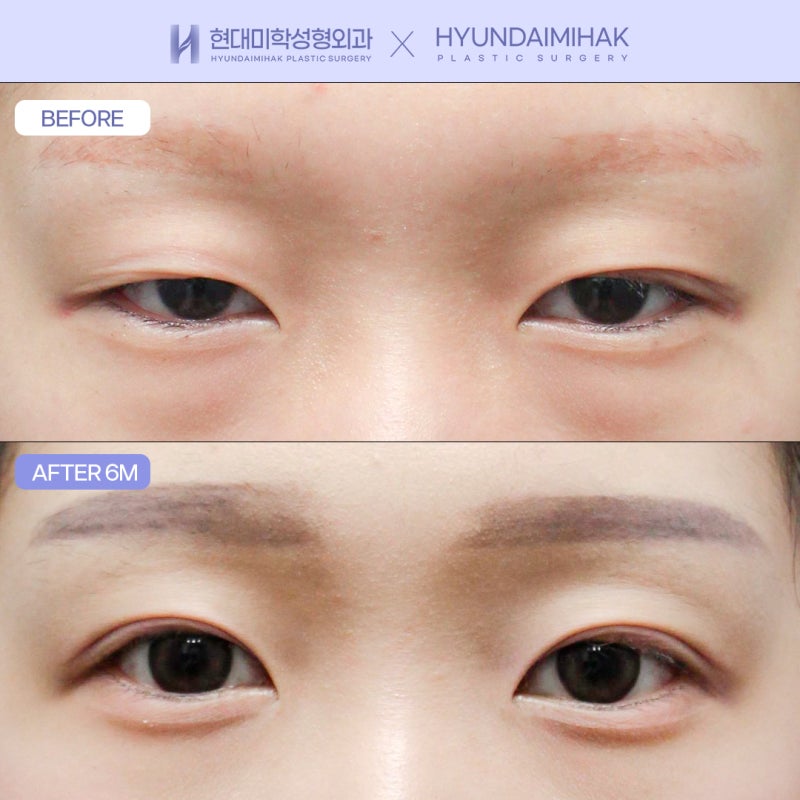
You may be wondering what cases incisional ptosis correction surgery is suitable for. In terms of appearance, if the eyelid covers the pupil and makes the eyes look sharp or harsh, sleepy, gives an impression that affects the overall facial expression, or if the power used to open the eyes is weak, incisional ptosis correction surgery may be needed. These cases are related to the strength used to open the eyes. Incisional ptosis correction surgery improves a sleepy-looking eye shape and strengthens the levator muscle used when opening the eyes, which is why the eyes look clearer after surgery.
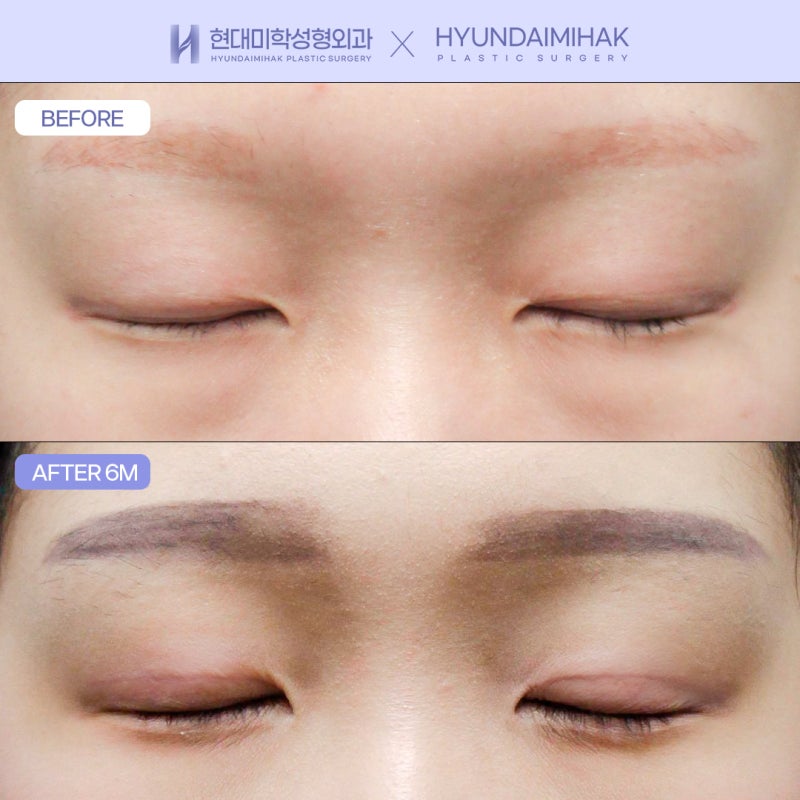
This is why incisional ptosis correction surgery is widely performed regardless of gender or age. Ptosis correction also has different advantages depending on the method. Those who may be suitable for non-incisional ptosis correction include people who want a natural eye shape, feel burdened by an incision, have only mild ptosis, have thin eyelids, or do not have sagging eyelids. Since non-incisional ptosis correction is performed using sutures and knots without an incision, it has the advantages of less scarring after surgery and a faster recovery period.
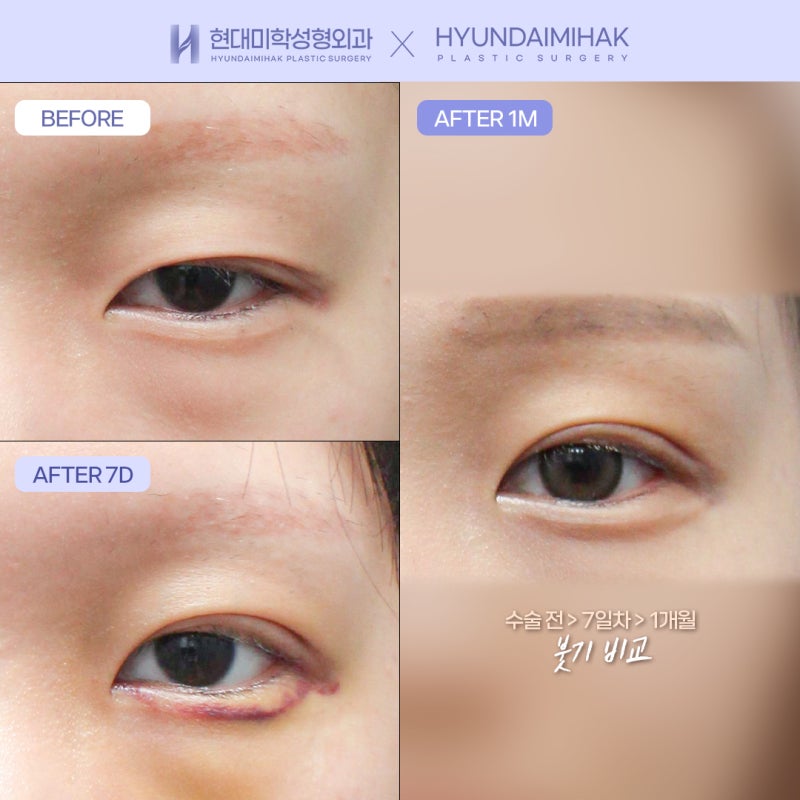
Incisional ptosis correction surgery is performed for people with thick eyelids and a lot of fat, or for those with a severe degree of ptosis. For people who want a distinct double-eyelid line or have marked asymmetry, incisional ptosis correction may also be performed with a focus on design. If fast recovery is the priority, we recommend the non-incisional method, but when design is important, we recommend the incisional method.
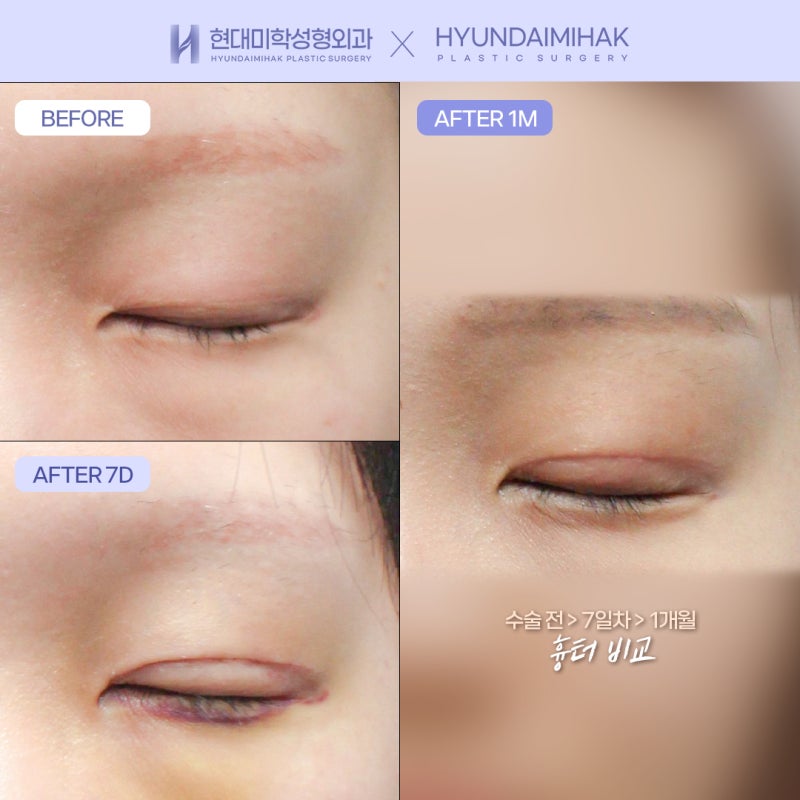
Incisional ptosis correction surgery involves making an incision along the natural double-eyelid line or the designed double-eyelid line, pulling and strengthening the muscle that opens the eye, then fixing it and suturing the area. Because unnecessary fat is also removed, it is an effective surgical method for people with a lot of fat in the upper eyelid area. Overcorrection can also occur easily after ptosis correction. Since the degree of exposure of both the white and dark parts of the eye is very important during ptosis correction, it can be considered a highly delicate surgery.
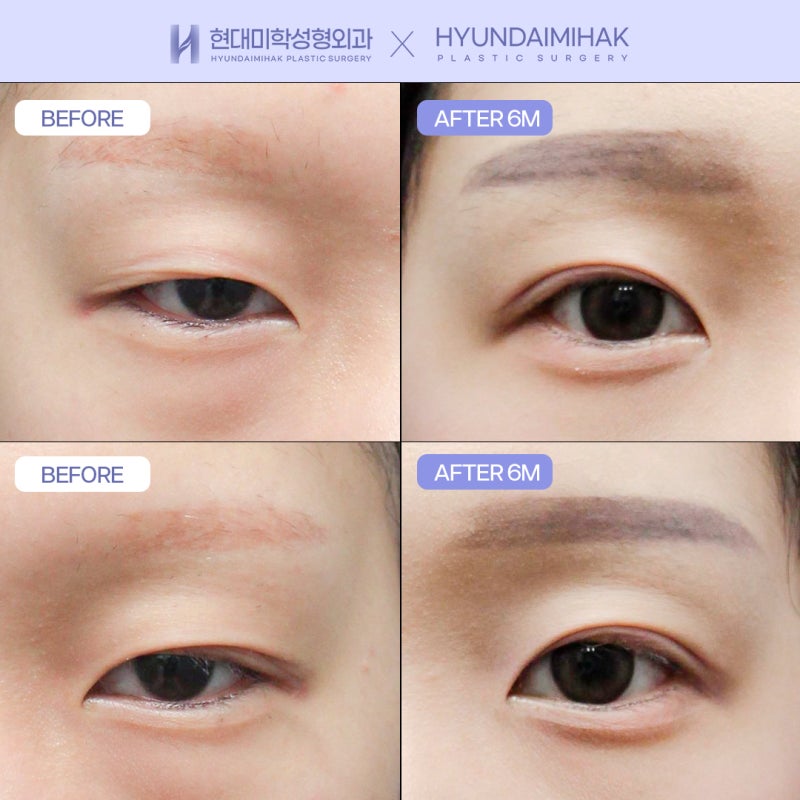
However, if overcorrection occurs due to an improperly performed surgery, the exposure ratio of the iris can look unnatural or the eyes may open too widely, creating an artificial impression. Therefore, it is important to receive surgery from an experienced specialist. When overcorrection symptoms occur and the eyes appear overly open, they can look like startled eyes, which may cause significant stress about one’s appearance. In such cases, revision surgery is needed for improvement, so we recommend receiving consultations at several places and making a careful decision. Thank you.