If the side profile is the concern in female hump nose surgery
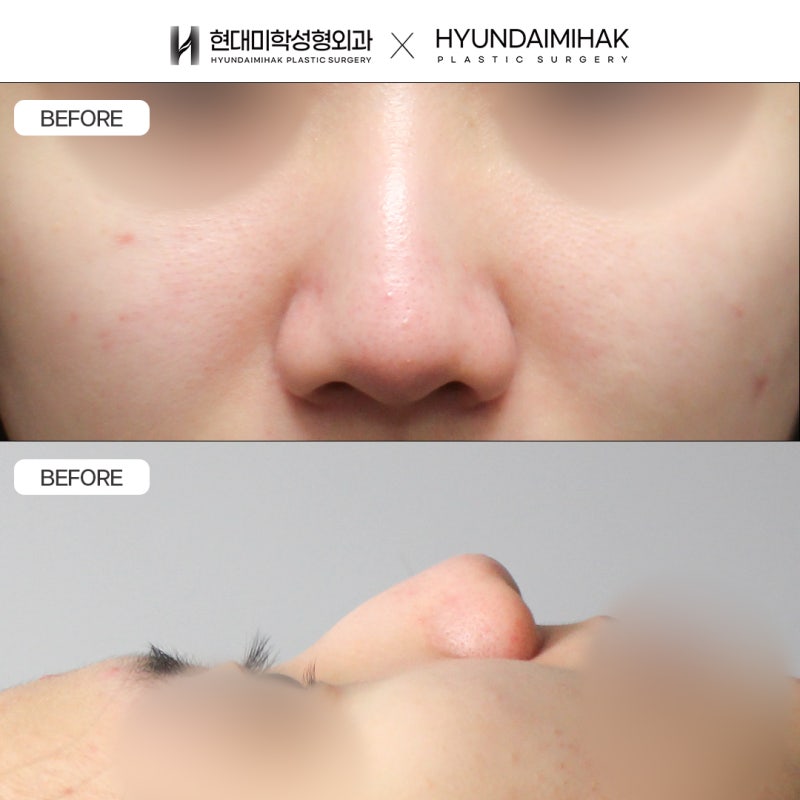
Hello, this is Hyundai Aesthetic Surgery. Today, we would like to discuss female hump nose surgery, as some of those considering rhinoplasty are specifically looking into this procedure. A hump nose refers to a nose that is curved like the beak of a hawk. Patients with this type of nose may feel that the nose looks large or gives a more masculine impression, which can be a significant concern, especially for women. If you have had a hump nose due to congenital factors or trauma later in life, you may have wondered about hump nose surgery at least once.
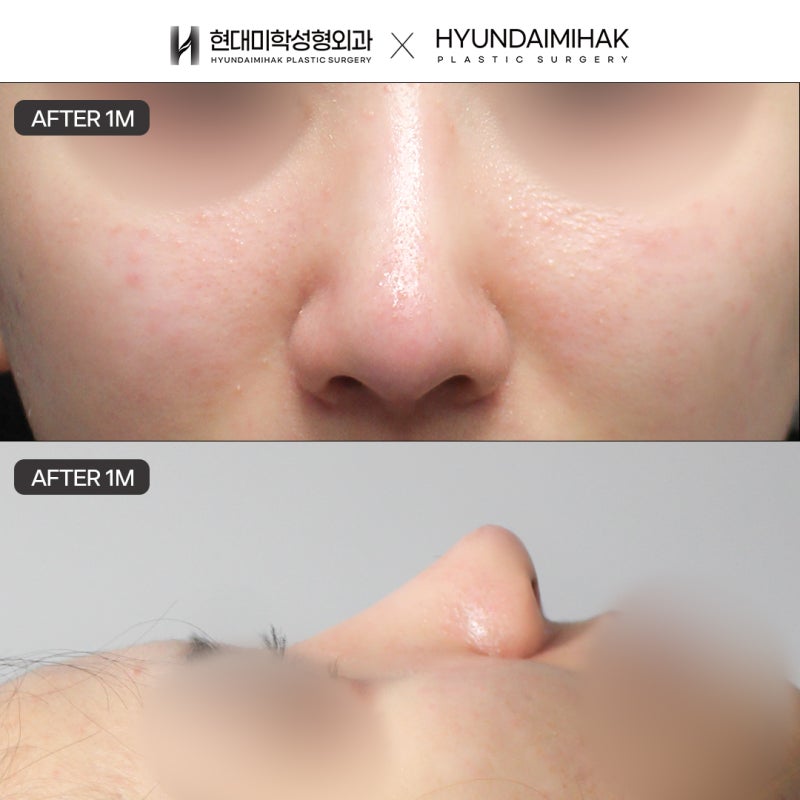
However, unless everyone were the same person or a doppelganger, patients looking into female hump nose surgery will naturally have very diverse hump shapes and forms. Although there are many types of hump noses, common examples include a large and high hump nose, a hump nose with a low nasal bridge, a hump nose with only the central bridge protruding, and a hump nose with a drooping nasal tip. Because the shape and appearance differ from person to person, female hump nose surgery should not simply involve removing the nasal hump or applying a standard surgical method. Instead, the anatomical structure should be considered, and the appropriate corrective surgery for the hump nose should be performed.
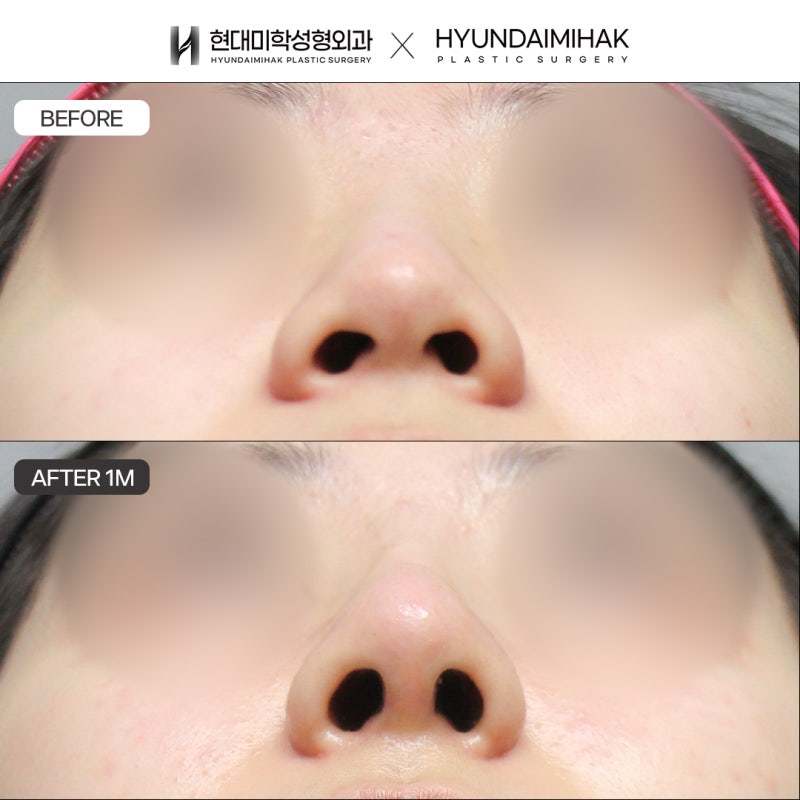
Just as there are countless types of hump noses, female hump nose surgery for various shapes is designed based on the starting point and ending point of the nose. This is closely related not only to improving the hump nose but also to aesthetic factors. Specifically, this refers to the height of the glabella, which can be considered the starting point of the nose, and the height of the nasal tip, which can be considered the ending point. Depending on the height of these starting and ending points of the nose, the surgical approach for hump nose correction may differ.
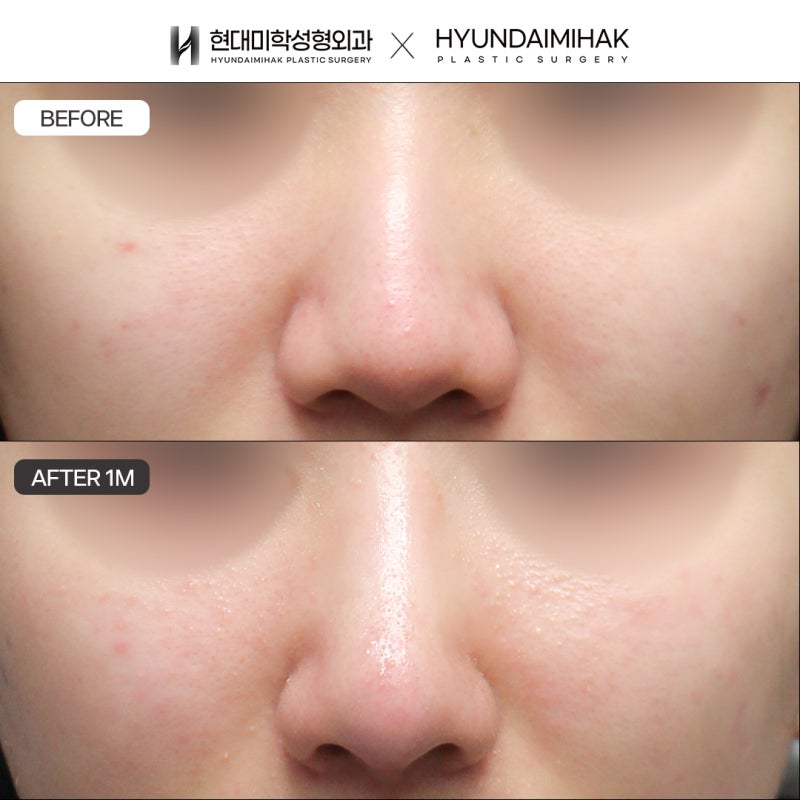
Among patients considering female hump nose surgery, many ask whether it is enough to simply remove the hump. However, this applies only when the height of the glabella and the height of the nasal tip are appropriate, allowing hump removal alone to be effective. If the heights of the starting and ending points of the nose are not appropriate, unless the only goal is hump removal itself, it may be difficult to achieve aesthetic satisfaction through hump removal alone.
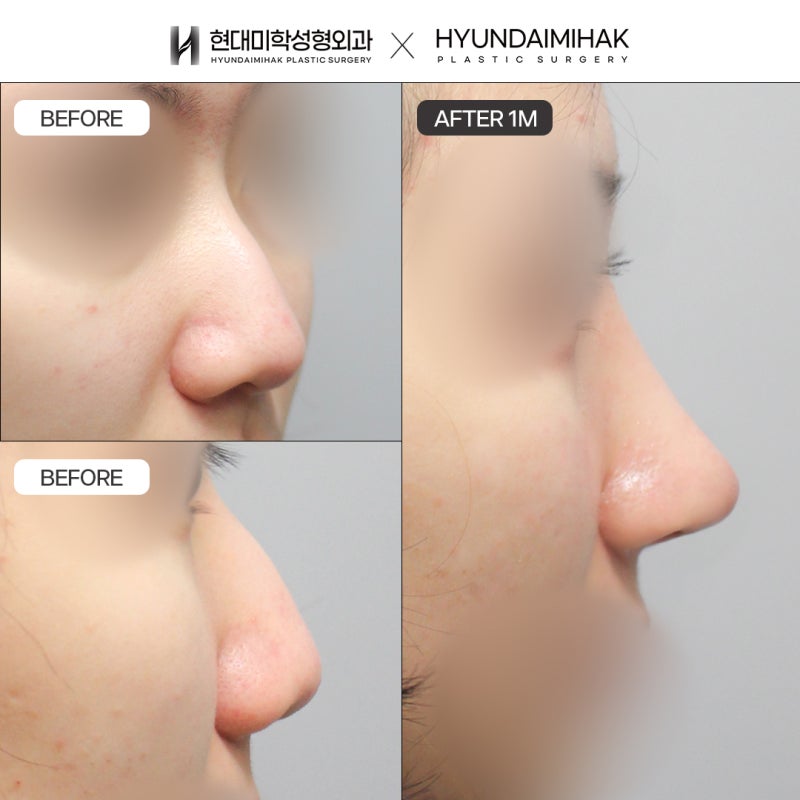
Therefore, in female hump nose surgery, the type of hump and the starting and ending points of the nose should be considered, and depending on the case, several additional steps may be needed, such as raising the nasal tip, extending the nasal tip, augmenting the nasal dorsum, shortening the nasal tip, or lengthening the nose. When surgery is performed with these factors in mind, it is possible to achieve a natural, beautiful nasal line with a high level of satisfaction. In addition, rather than focusing only on the hump nose, it is advisable to consult a specialist to accurately determine whether the width of the nostrils or other nasal elements are affecting your overall impression.
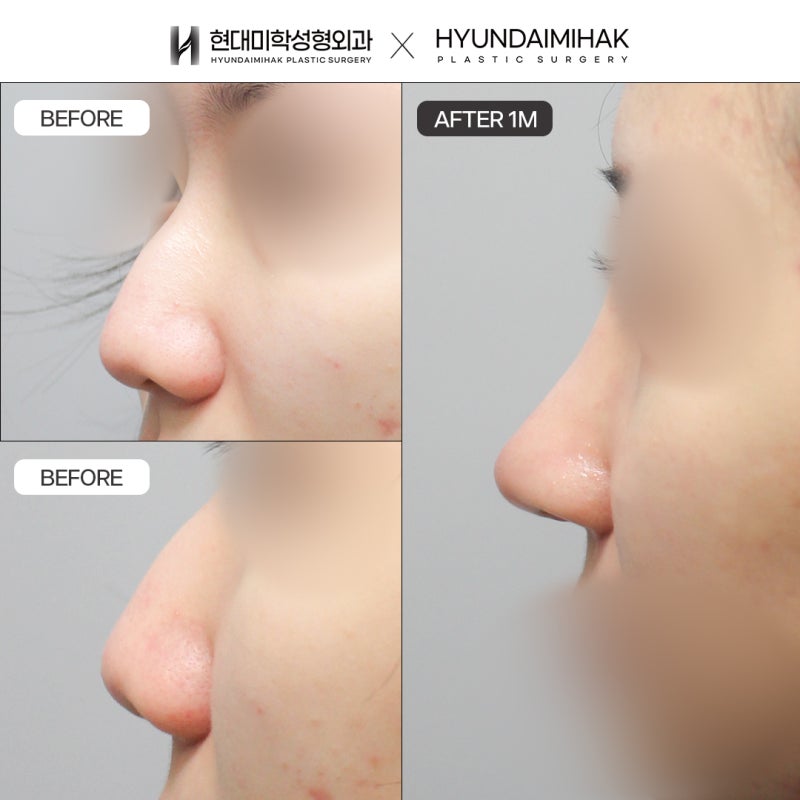
Female hump nose surgery requires a detailed understanding of the anatomical structure and facial features, and the surgery should be planned accordingly. For this reason, when you visit for a consultation, it is important to request 3D-CT imaging at each clinic and receive an accurate consultation based on the results. If you carefully review the details and make a thoughtful choice, female hump nose surgery can help create a softer impression, and the hump nose that had been a concern from the front or side view can also be improved. We hope all patients with hump noses successfully achieve improvement and gain confidence. Thank you.