Under-eye fat removal for a smooth, firm look
Hello, this is Hyundai Aesthetic Surgery. These days, eye surgeries that create double-eyelid lines and widen the eyes through canthoplasty have become common and are now considered a form of self-care. Along with this, interest in under-eye surgery is also growing. In many cases, under-eye fat can detract from the beauty of the eyes. For concerns such as under-eye fat and under-eye sagging, under-eye surgery may be performed to remove or reposition the bulging tissue beneath the eyes. These procedures can also create a more youthful-looking eye appearance, so patient satisfaction is often high.
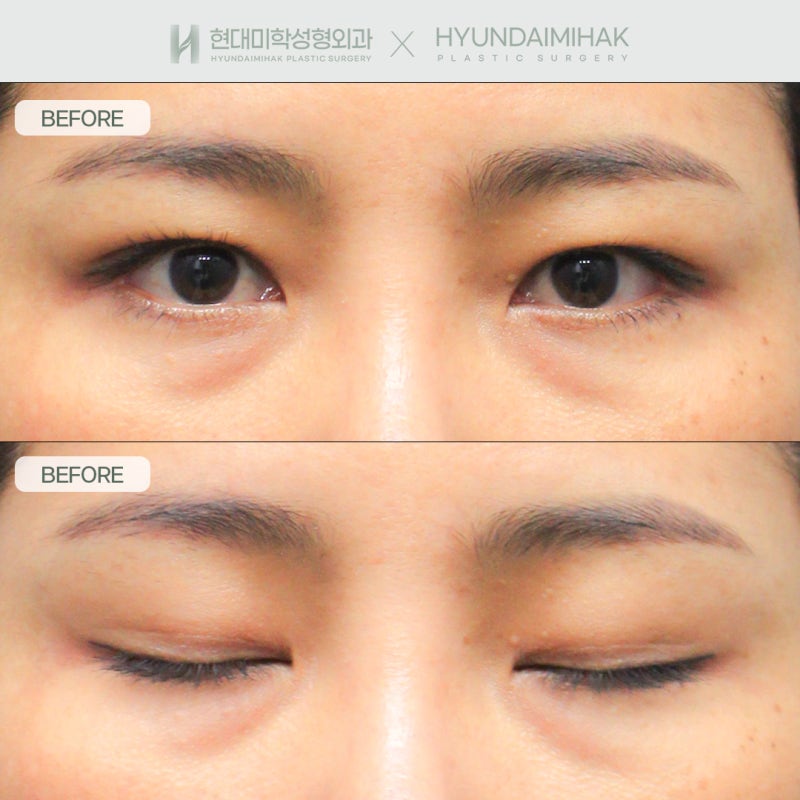
While looking into under-eye fat removal, some people may also wonder what under-eye fat repositioning surgery is. We also receive many questions about how the two procedures differ. As the name suggests, under-eye fat removal is a surgery that removes bulging fat beneath the eyes. If excessive under-eye fat is making the overall impression look tired or less favorable, removing it through under-eye fat removal can help improve the appearance. This procedure creates a smooth and firm under-eye area by making a minimal incision in the conjunctiva located inside the eyelid.
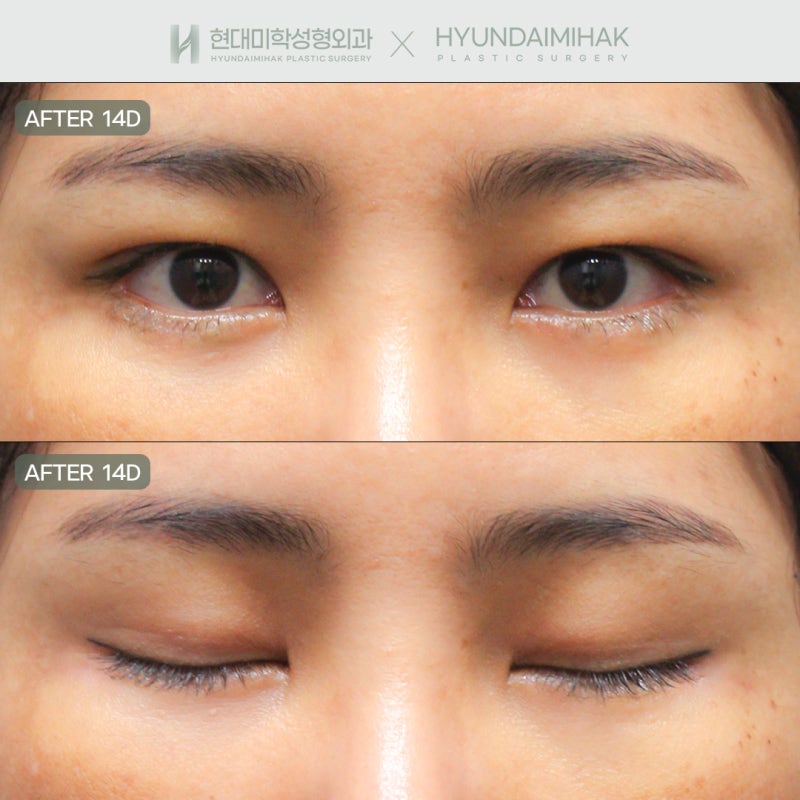
Under-eye fat removal is suitable for those with dark circles or excessive under-eye fat. Since it removes unnecessary under-eye fat rather than fat that is needed, there is no need to worry; if necessary, the fat may also be repositioned to create a more even under-eye area. Under-eye fat repositioning, on the other hand, is recommended for those whose under-eye area appears hollow and shadowed, giving a less favorable impression, rather than for cases with excessive protruding under-eye fat.
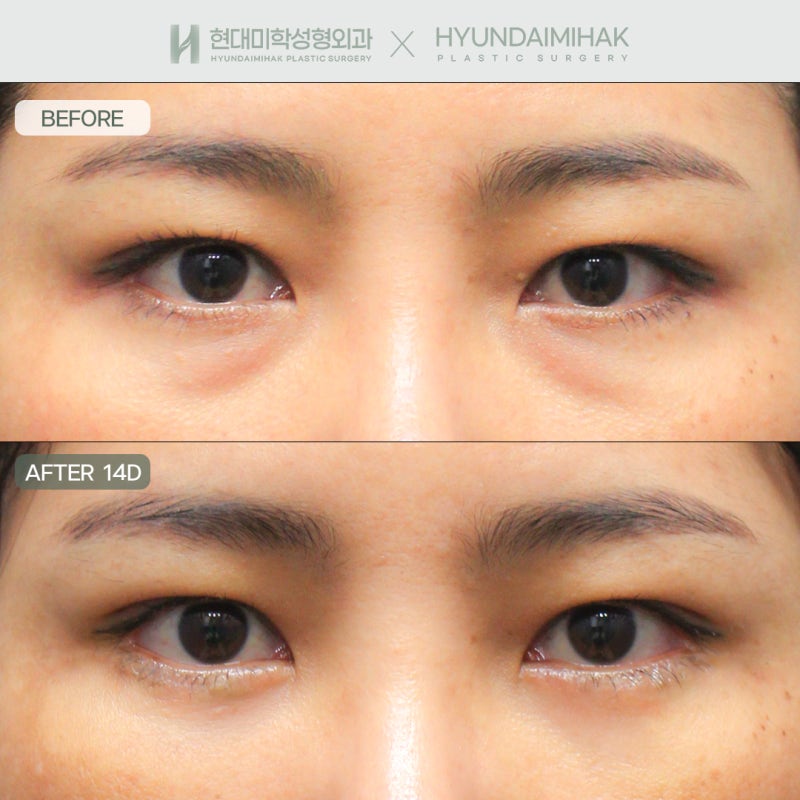
Under-eye fat repositioning is a procedure that creates a smooth and firm under-eye area by appropriately redistributing protruding fat into hollow areas beneath the eyes. Like under-eye fat removal, this fat repositioning procedure is also performed through a minimal incision in the conjunctiva located inside the eyelid.
It is also helpful to note that repositioning involves sorting out unnecessary fat before redistributing it. In cases where the under-eye area is hollow, repositioning the fat already present beneath the eyes tends to have a better survival rate than grafting fat into the area, so we often recommend this method.
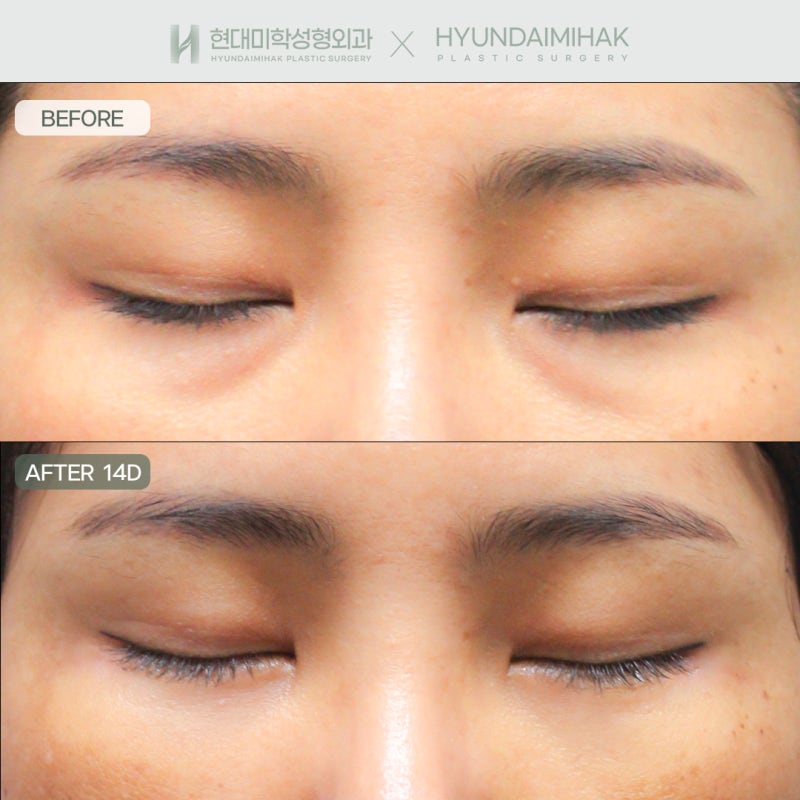
Both under-eye fat repositioning and under-eye fat removal can be considered youthful-looking eye procedures that produce good results when performed on suitable candidates. After these procedures, patients usually live with tape attached under the eyes during the recovery period. The timing for removing the tape applied after under-eye fat surgery varies by clinic, so it is best to ask the hospital where you will have the surgery for more accurate information. The recovery period after under-eye surgery may vary from person to person, but it is usually about 1 to 2 weeks, which is considered relatively quick.
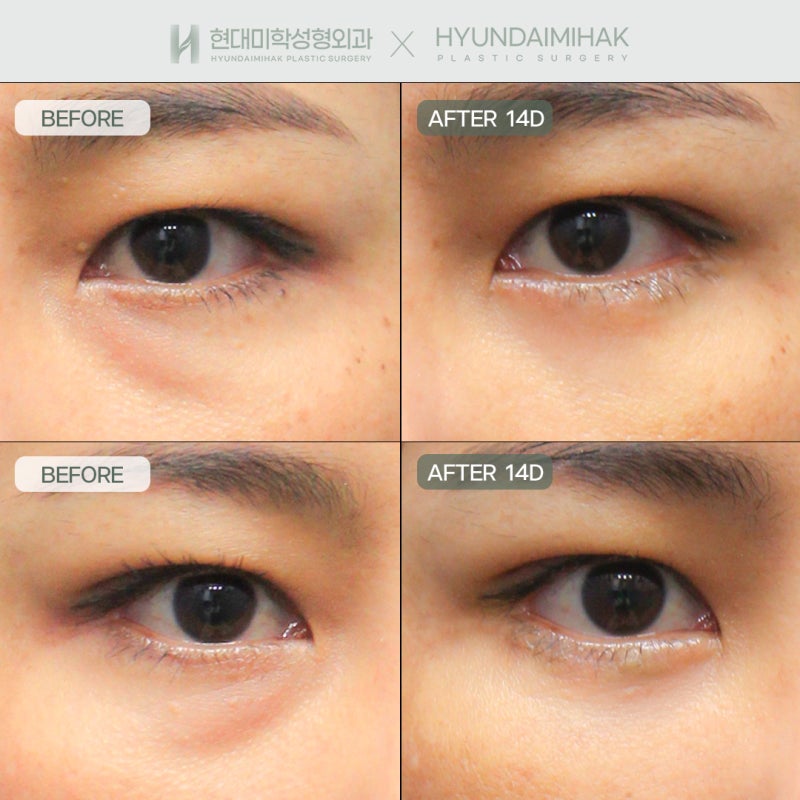
When considering under-eye surgery such as under-eye fat removal or under-eye fat repositioning, it is advisable to plan the surgery while taking the recovery period and aftercare instructions into account. In addition, because the procedure uses a minimal incision in the conjunctiva on the inside rather than the outer surface of the skin, scars are not easily noticeable, and the surgical results are clear, making satisfaction very high. However, results can vary depending on individual differences and the skill of the specialist, so it is important to choose your clinic carefully. We hope under-eye fat surgery helps you address under-eye sagging or excessively protruding fat and achieve a smooth, firm-looking eye appearance. Thank you.