Before and after lateral canthoplasty and lower canthoplasty with minimized tissue damage Hyundai Aesthetic Surgery
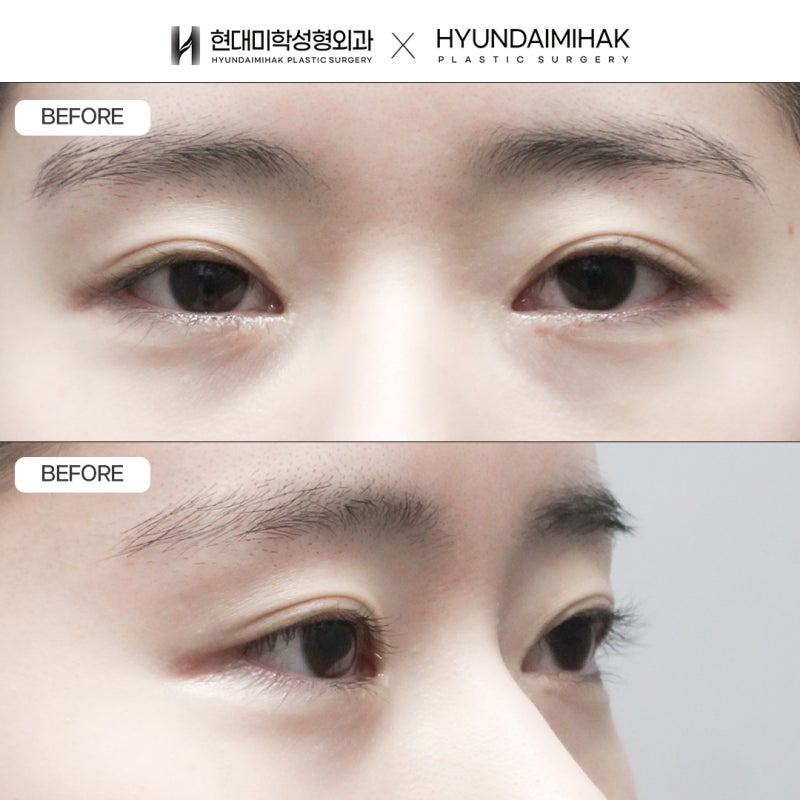
Hello, this is Hyundai Aesthetic Surgery. If you are especially interested in eye surgery, many of you may be considering canthoplasty after double-eyelid surgery, or looking into having double-eyelid surgery and canthoplasty together. A stuffy-looking inner corner of the eye can be improved with epicanthoplasty, but those whose outer corners look short or closed, often called “clam-shaped eyes,” tend to look for many before-and-after cases of lateral canthoplasty and lower canthoplasty. We will explain this topic while looking at before-and-after cases of lateral canthoplasty and lower canthoplasty.
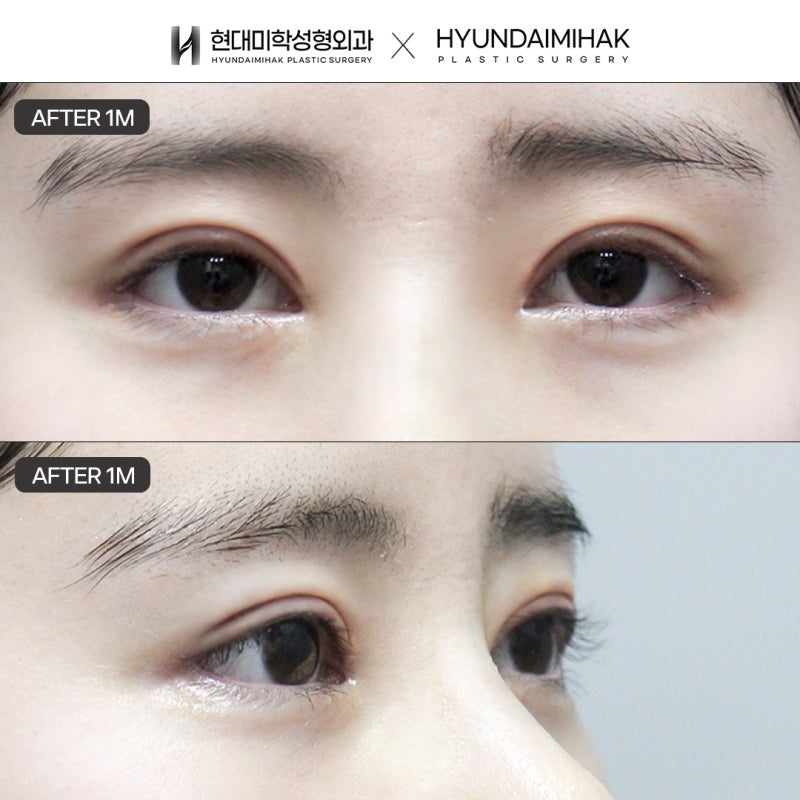
A surgery that combines lateral canthoplasty and lower canthoplasty at the same time is known by various names, such as dual canthoplasty, lateral-lower canthoplasty, or outer-corner lowering surgery. When the two procedures are performed together, they can create a more open and refreshed eye shape, as shown in before-and-after cases of lateral canthoplasty and lower canthoplasty. By extending the horizontal length of the eyes with lateral canthoplasty and lowering sharp, upturned outer corners with lower canthoplasty to expand the space, you can expect a synergistic effect that combines the advantages of both procedures.
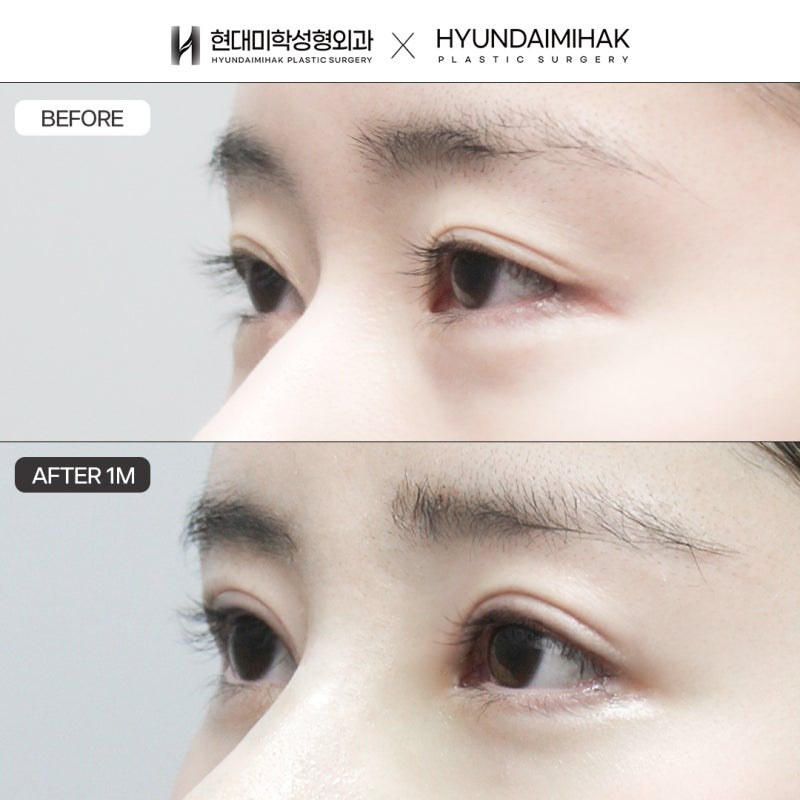
Simply adjusting the angle of upturned outer corners can help create a softer, gentler look similar to puppy eyes, which is why many people seek this lateral-lower canthoplasty procedure. Lateral canthoplasty, which can supplement short eye length, can be an effective surgery for those who find it difficult to enlarge their eyes with double-eyelid surgery alone. If the distance between the eyes is narrow and epicanthoplasty is not suitable, combining procedures as seen in before-and-after cases of lateral canthoplasty and lower canthoplasty can help increase the apparent size of the eyes.
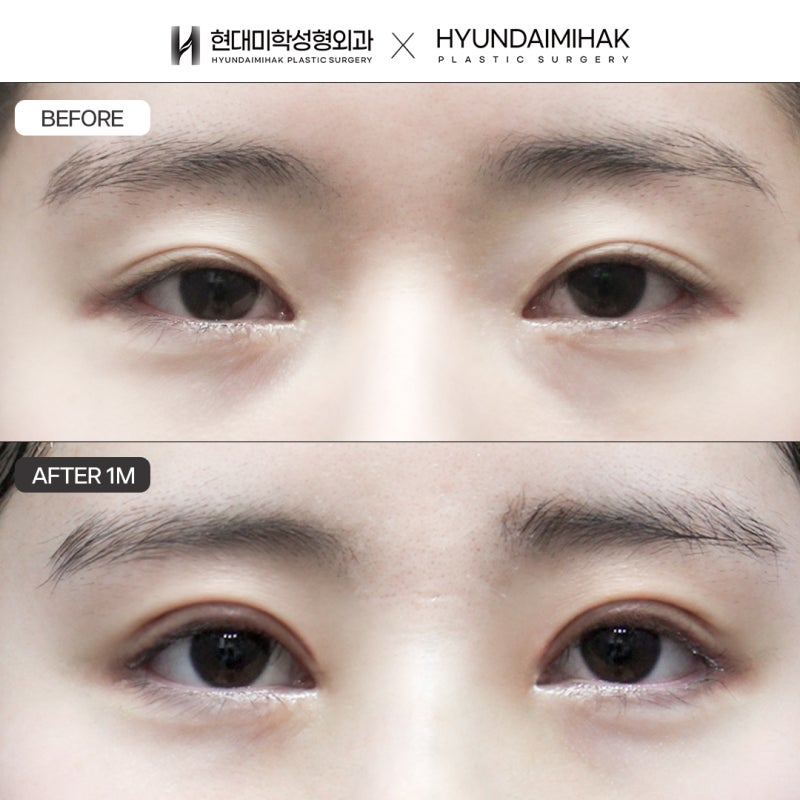
However, with these surgeries, there is a limit to the amount of space that can be expanded through canthoplasty. For this reason, we recommend that you review before-and-after cases of lateral canthoplasty and lower canthoplasty and receive a diagnosis at a clinic known for performing the procedure well. Also, please be aware that surgical methods for lateral-lower canthoplasty may differ by clinic, and it is best to make a careful decision after checking whether there are any concerns about side effects or tissue damage that may occur depending on the surgical method.
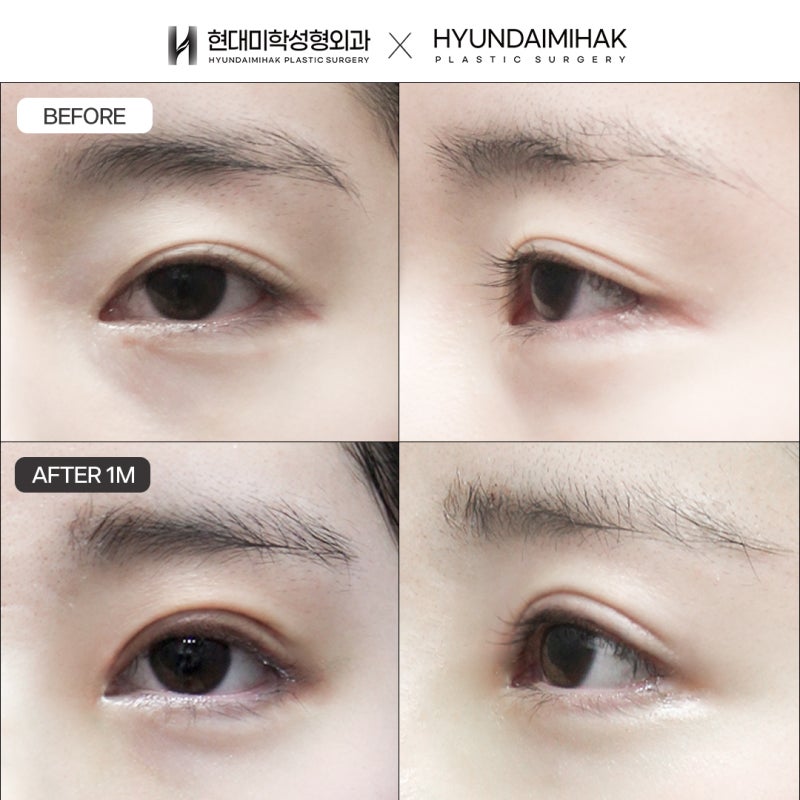
However, if a surgery combining lateral canthoplasty and lower canthoplasty is performed incorrectly, it can lead to noticeable surgical scars, severe C-shaped deformity at the outer corner of the eye, exposure of the red conjunctiva, or exposure of the white area below the iris, resulting in sanpaku eyes. This is why it is one of the surgeries in which side effects must be considered most carefully. These possible side effects can make the eyes look artificial, unlike the results shown in before-and-after cases of lateral canthoplasty and lower canthoplasty.
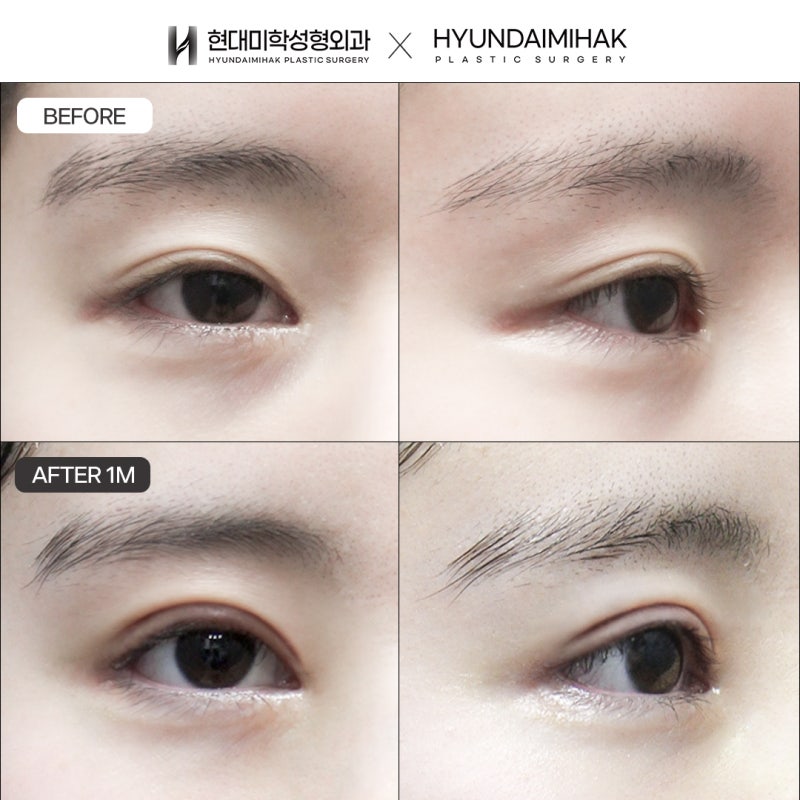
If the surgery is not performed properly, revision surgery may be needed to improve the side effects with an appropriate method, making the procedure much more complex and difficult. It may also be hard to return the eyes to their preoperative state. Revision surgery can also be costly, so when considering your first surgery, we strongly recommend receiving a diagnosis from an experienced medical professional before making your decision. We have reviewed information together with before-and-after cases of lateral canthoplasty and lower canthoplasty. If you have any questions, please feel free to contact us at any time, and we will be happy to answer them. Thank you.