Low Nose Surgery: Creating Harmony Between the Bridge and Tip
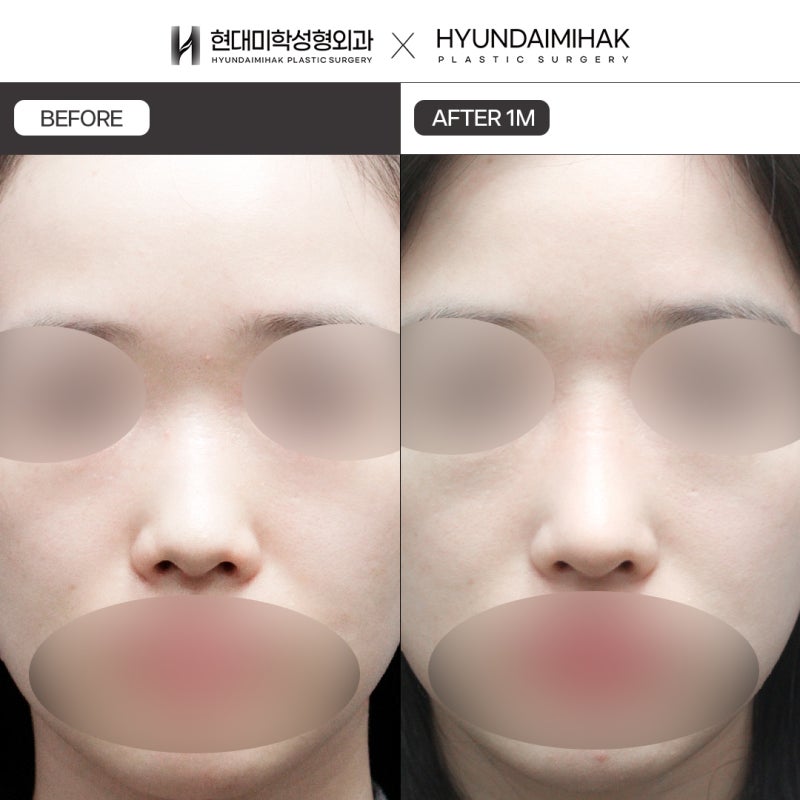
Hello, this is Hyundai Aesthetic Surgery. The nose is an important feature that determines the overall impression of the face, and surgery can help change it into the desired shape and mood. It can also address each individual’s concerns and enhance confidence with a more satisfying appearance. Many patients inquire about nose surgery to improve concerns such as a low or small nose, bulbous nose, broad nose, droopy nose, downward-pointing arrow nose, or hump nose. Today, we will look at the effects and process through a before-and-after case of surgery for a small and low nose.
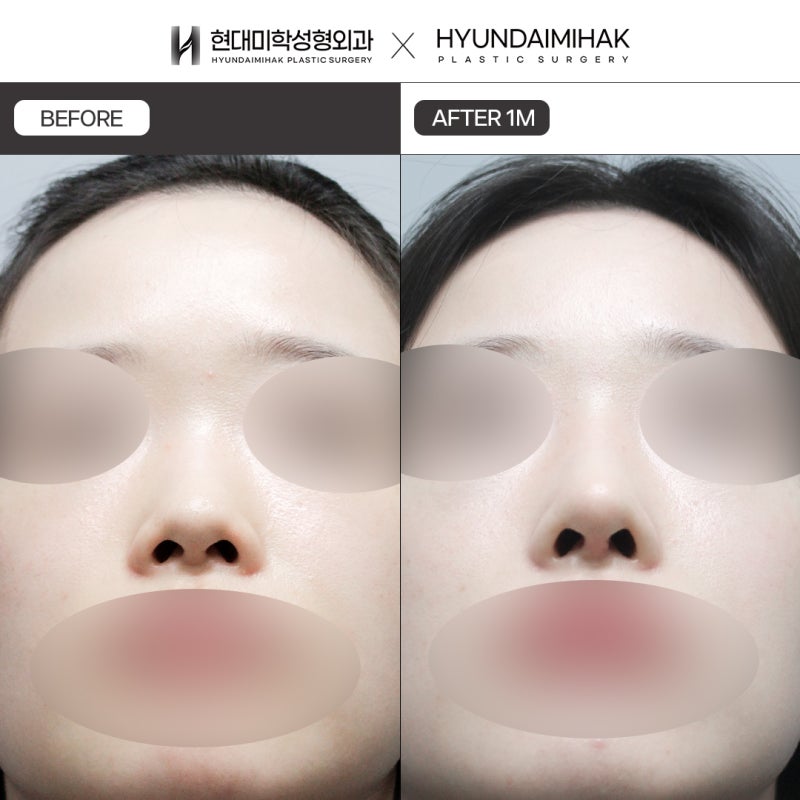
First, if you look at the before-and-after case, you can see that the nose is small and low. The nasal bridge also complements the three-dimensional aspect of the face, so bridge surgery can be considered important as well. If the bridge between the eyes is low, the nose may appear short and the overall face may look sunken, so raising the bridge is necessary. For natural low nose surgery, a soft curve is important. The nasal bridge can be augmented with various materials such as Gore-Tex and silicone, and recently, silicone has become the more common choice for bridge surgery.
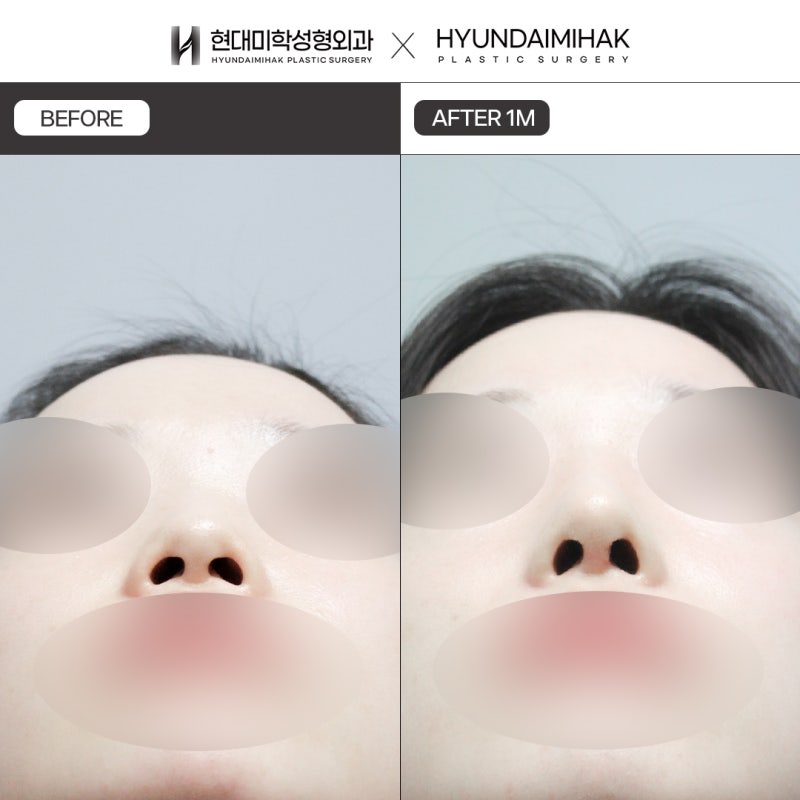
Surgery to raise the nasal tip is an important procedure that determines the refined appearance of the nose. A beautiful nose forms a nasolabial angle of 90 to 110 degrees, and nasal tip surgery can be applied in various ways depending on the individual’s tip shape and desired result. The contour of the nasal tip is determined by the alar cartilage, and by adjusting this cartilage, the tip can be refined into a slimmer shape or gathered toward the center. If the nasal tip is very low or the bridge also needs to be raised, additional grafting may be required.
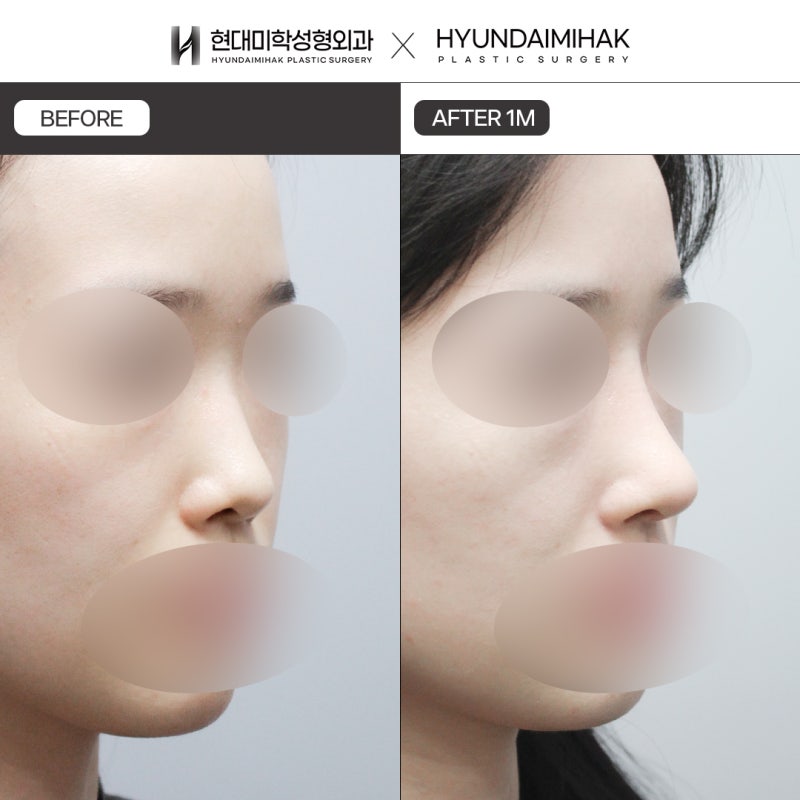
Materials used in low nose surgery include autologous cartilage, Gore-Tex, and AlloDerm, and autologous cartilage is commonly used because it has fewer side effects. Autologous cartilage includes septal cartilage, ear cartilage, and rib cartilage, which are harvested directly and used. It is known as a preferred material because it provides natural surgical results and has a relatively low risk of side effects. Through this type of nasal tip surgery, the tip can be shaped beautifully, and if you only want surgery on the nasal tip, implant-free nasal tip surgery is also commonly performed, so we recommend visiting the clinic for an in-person consultation.
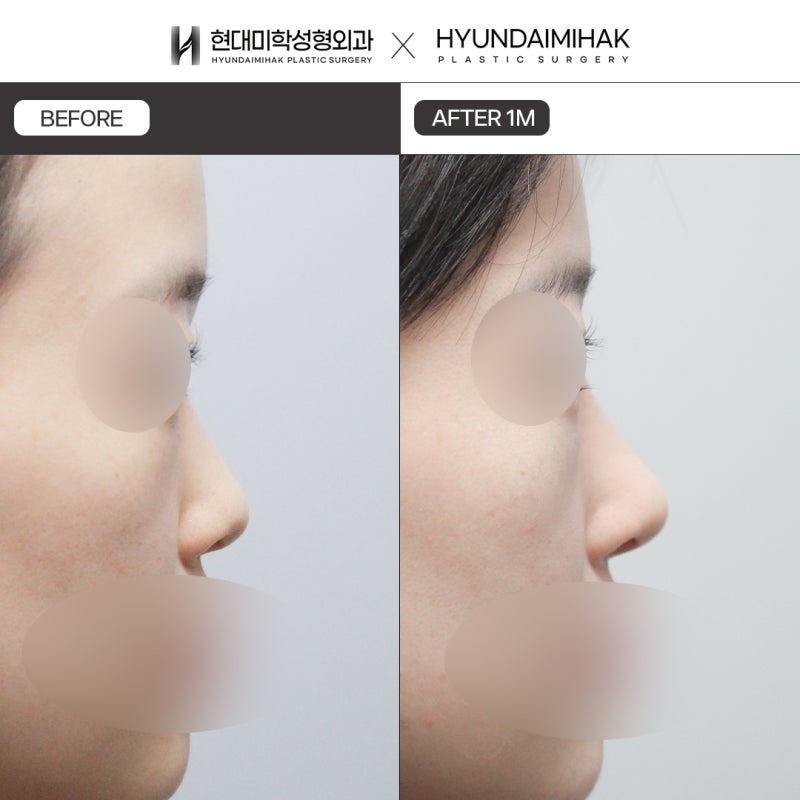
It is important to improve a low bridge and nasal tip through low nose surgery to create a beautiful nasal line, but if rhinoplasty is performed improperly, various side effects may occur, so it is best to make a careful decision before your first surgery. Also, common issues after surgery include asymmetry or dissatisfaction with the shape of the nasal tip, leading many patients to consider revision surgery. For smooth communication and accurate surgery, it may be helpful to choose a clinic after preparing reference photos of your desired nasal line or shape, as well as a list of questions.
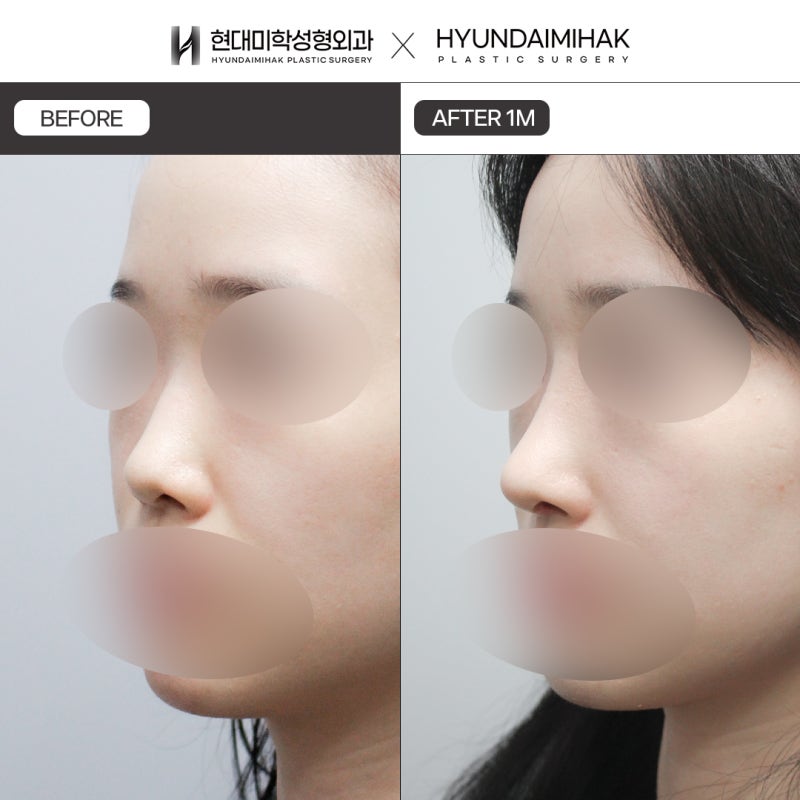
After low nose surgery, situations such as inflammation, infection, or the need for revision surgery may occur, so it is important to check each clinic’s aftercare system, warranty period, and conditions. The materials used for the bridge or tip should be selected appropriately to help prevent other side effects. For this reason, we recommend consulting with an experienced specialist before proceeding with low nose surgery. Thank you.