A clinic skilled in lower blepharoplasty for sagging, drooping under-eyes
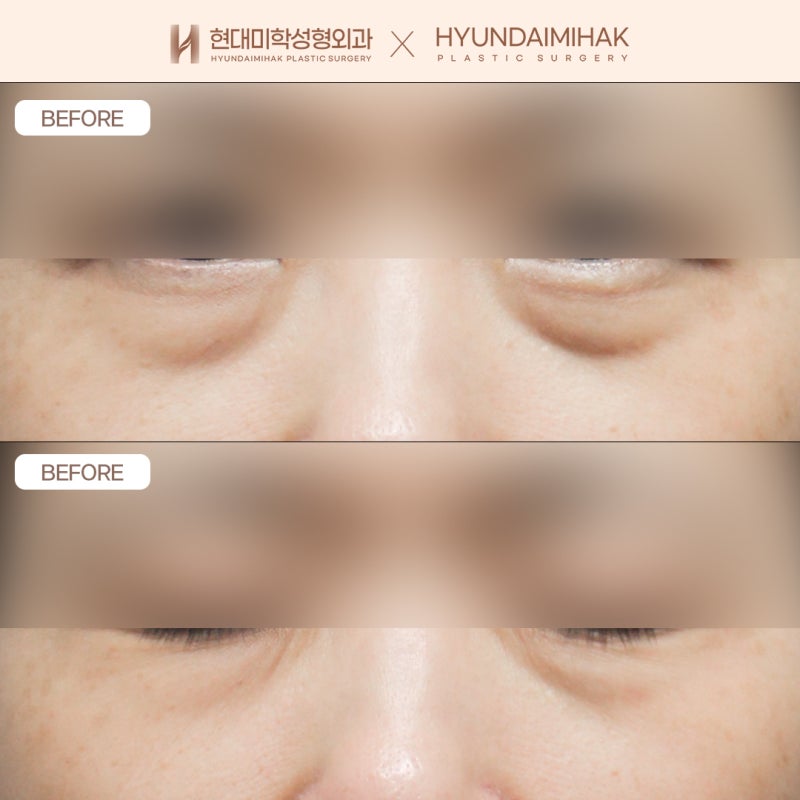
Hello, this is Hyundai Aesthetic Surgery. When eye surgery first became popular, there was a great deal of negative public opinion. Today, however, it continues to receive positive responses and support as a way to enhance each person’s individuality and boost confidence. In particular, many people inquire about under-eye surgery to improve concerns such as dark circles under the eyes or protruding fat. With advances in surgical techniques, interest has grown even more in finding a clinic skilled in lower blepharoplasty and in under-eye surgery, rather than procedures whose results are not reliably guaranteed. In particular, as the rate of cosmetic surgery among middle-aged and older adults increases, inquiries about under-eye surgery are also on the rise. Today, we will look at lower blepharoplasty through actual surgical cases and explain the procedure.
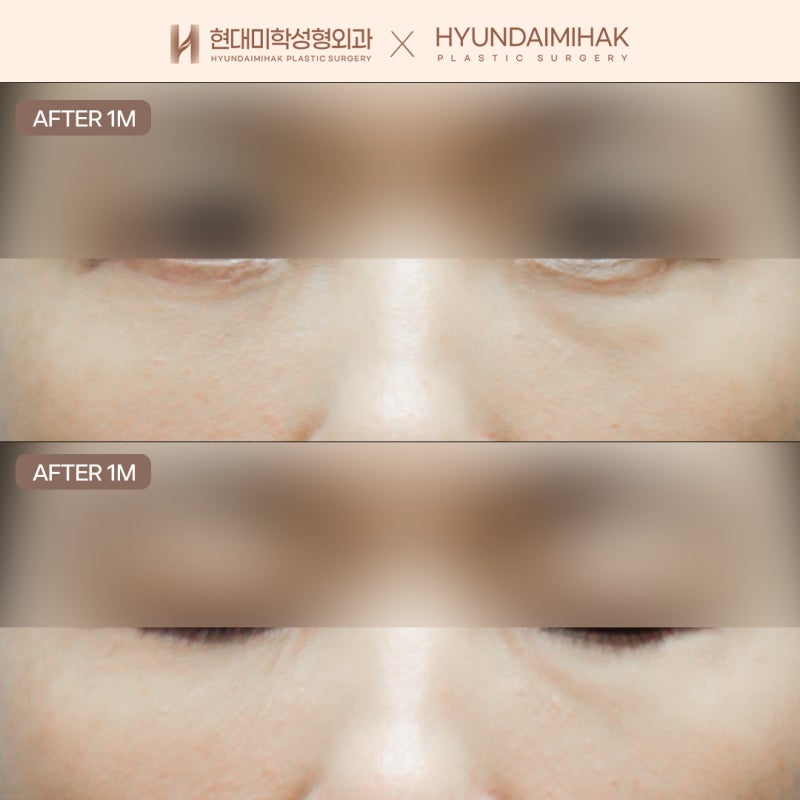
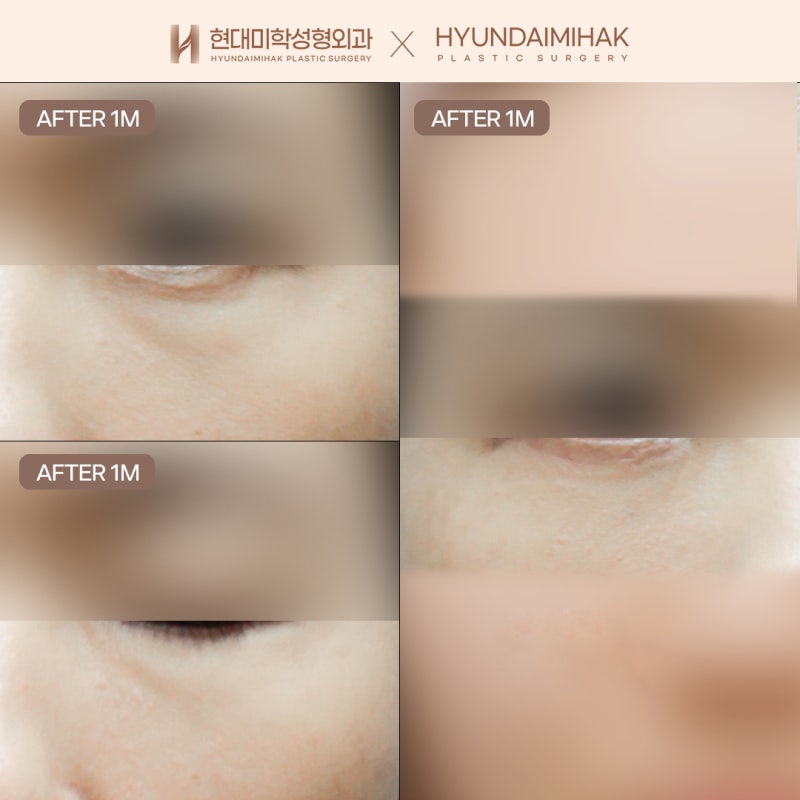
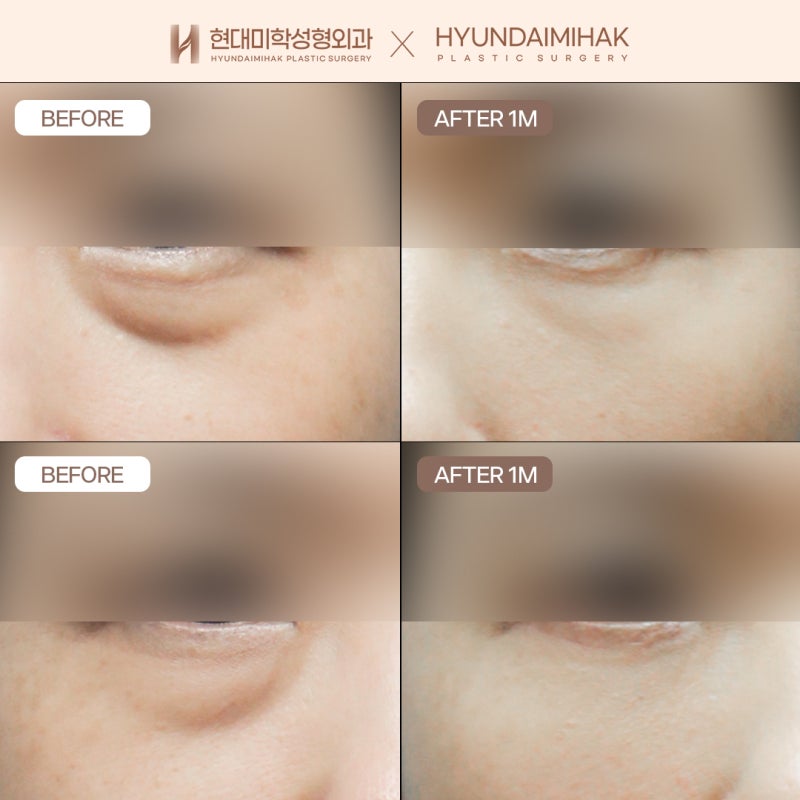
Lower blepharoplasty is a surgery that removes and repositions sagging, stretched under-eye skin and fat caused by aging, creating a flatter and more even under-eye area. This is why many people search for information about clinics skilled in lower blepharoplasty. By repositioning fat, this surgery can improve a strong, harsh, or tired-looking impression caused by protrusion or hollowing of under-eye fat, and it can also create a more youthful eye appearance. In fact, many middle-aged and older patients report high satisfaction after surgery, and many cases lead to surgery after recommendations from acquaintances. However, many patients considering under-eye surgery worry about the incision site, postoperative scars, side effects, and recovery period, so sufficient information about these aspects is necessary.
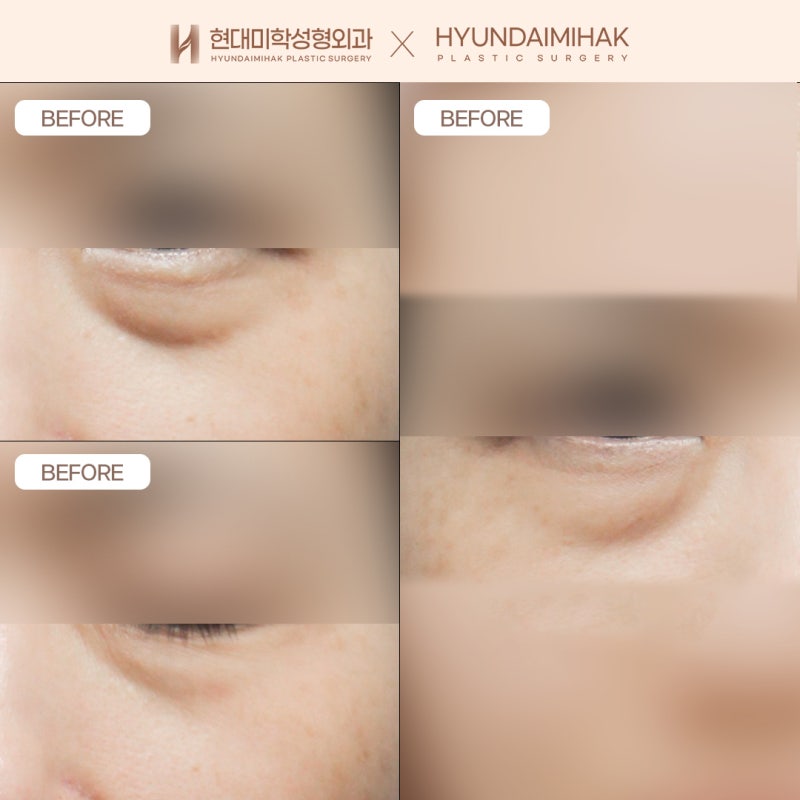
At a clinic skilled in lower blepharoplasty, the procedure is performed with consideration of the patient’s skin condition and individual circumstances. A clinic experienced in lower blepharoplasty makes the incision along the lower lash line so that scars are not noticeable after surgery, while avoiding damage to the under-eye aegyo tissue, muscles, and nerves. The skin tissue in the surgical area is then carefully dissected, and part of the sagging, stretched under-eye fat is removed or repositioned to create a smoother eye contour. For middle-aged and older patients, excessive removal of under-eye fat can lead to other problems, so an appropriate amount is removed. Finally, a meticulous fixation process is performed to prevent recurrence, and every step must be carried out delicately and thoroughly to achieve a natural-looking result.
Among patients undergoing lower blepharoplasty, not all but some may also require upper blepharoplasty. A clinic skilled in lower blepharoplasty is also more likely to be skilled in upper blepharoplasty. Upper blepharoplasty is a surgery recommended for those whose eyelids have become thick and heavy due to aging, weakening their ability to open the eyes. If lower blepharoplasty is a procedure that improves the under-eye area, upper blepharoplasty can be understood as a procedure that improves the upper eyelids. It can also improve not only the external appearance of aging-related sagging and drooping eyes, but functional problems as well.
For candidates for upper blepharoplasty who have heavy eyelids and weakened eye-opening strength, making it difficult to secure their field of vision, the surgery can help them open their eyes more comfortably by improving functional issues such as irritation at the outer corners of the eyes and entropion, where the eyelashes turn inward and poke the eye. If you are looking to address both aesthetic concerns and functional problems for comfortable eyelids and a brighter, more youthful under-eye appearance, we recommend receiving a consultation at a clinic skilled in lower blepharoplasty, where you can hear an accurate explanation of the surgical method and detailed aftercare instructions before making a careful decision. Thank you.