Autologous Rib Cartilage Rhinoplasty for a Safe and Stable Procedure
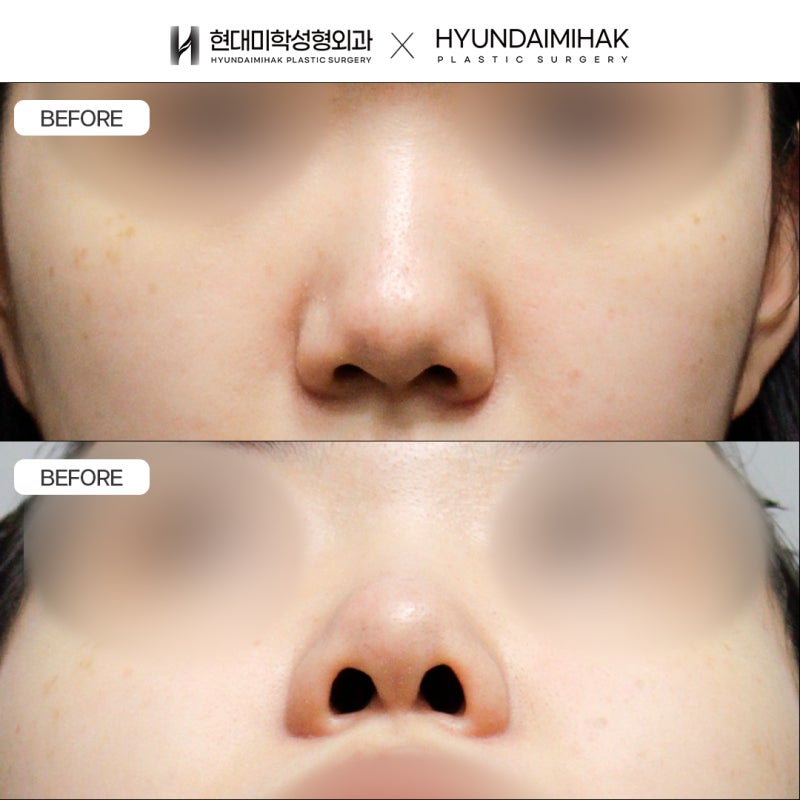
Hello, this is Hyundai Aesthetic Surgery. The nose is located at the center of the face and is an important feature that greatly influences one’s overall impression. Because a change in the shape of the nose can alter the entire facial image, many people consider rhinoplasty. In particular, as more people have recently come to prefer natural-looking results after surgery, interest has increased rapidly. Autologous rib cartilage rhinoplasty is a method of reshaping the nose using one’s own cartilage without artificial implants, allowing patients to expect safer and more natural results.
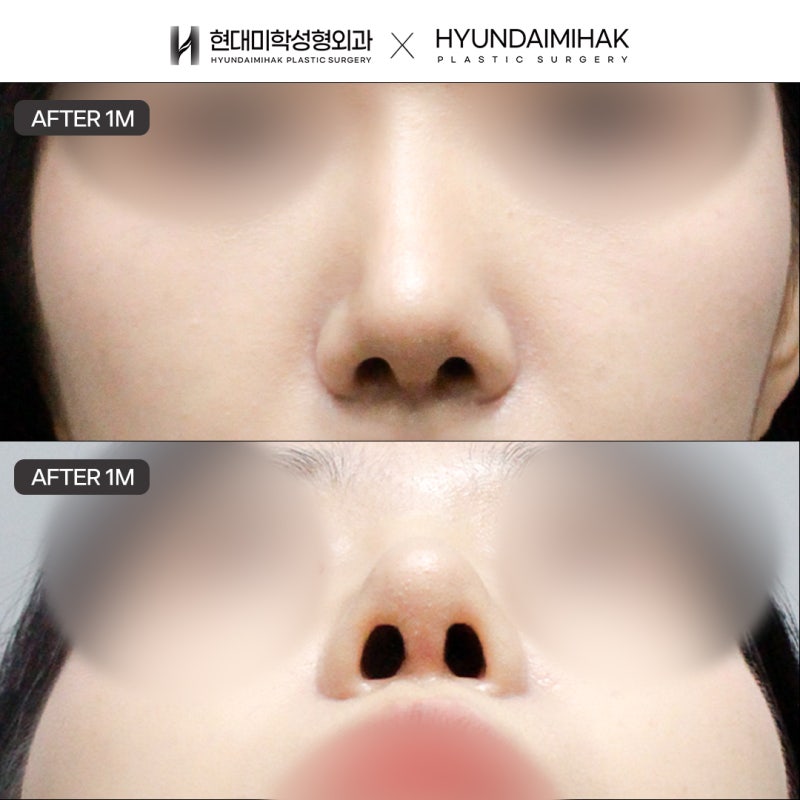
As the name suggests, this is a rhinoplasty method that uses autologous tissue, meaning cartilage harvested from one’s own body. In the past, artificial implants were widely used, but as more patients became concerned about foreign-body reactions or side effects, surgical methods using autologous tissue have gained attention. The autologous tissue used in autologous rib cartilage rhinoplasty is usually costal cartilage, or cartilage harvested from the chest area. Because this cartilage has excellent shape and strength, it can be used in various areas such as the nasal tip and nasal bridge.
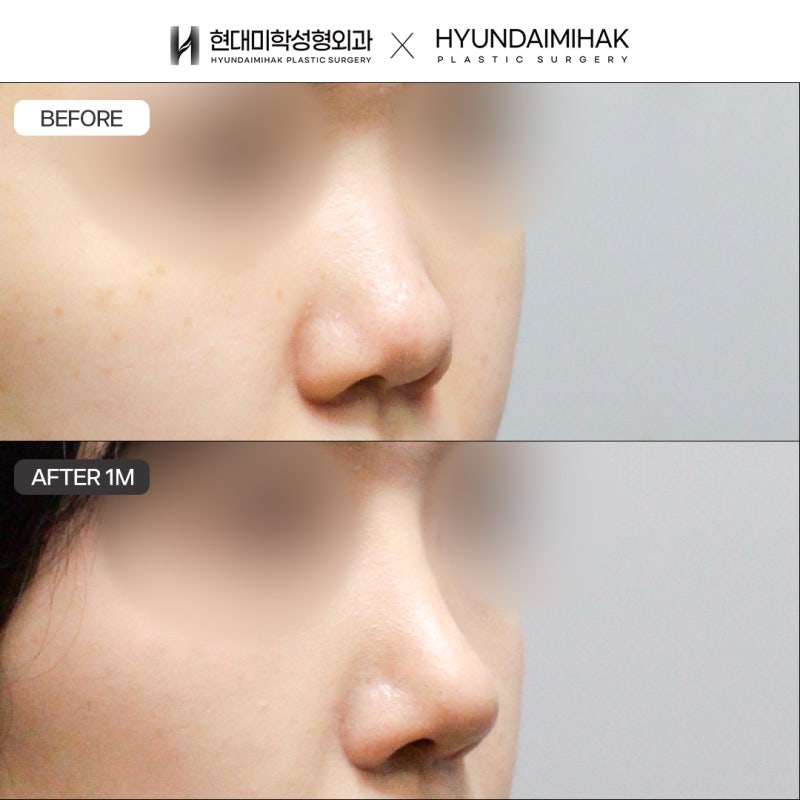
The greatest advantage of autologous rib cartilage rhinoplasty is its natural-looking result. Artificial implants may cause foreign-body reactions over time, but autologous tissue is harvested from the patient’s own body, so immune rejection is extremely rare and the likelihood of side effects is significantly lower. In addition, autologous rib cartilage is thicker and longer than other types of cartilage, making it possible to secure a sufficient amount when needed. This is effective not only for nasal tip surgery but also for nasal bridge augmentation. For example, if the septal cartilage is damaged, autologous rib cartilage can be used for septal reconstruction, helping improve even the functional aspects of the nose. Autologous rib cartilage has a lower absorption rate than other cartilage and shows little shape change over time, allowing stable results to be maintained for a long period. In particular, it is highly effective for refining and elevating the nasal tip, making it suitable for those who wish to improve a low nose or an upturned nose.
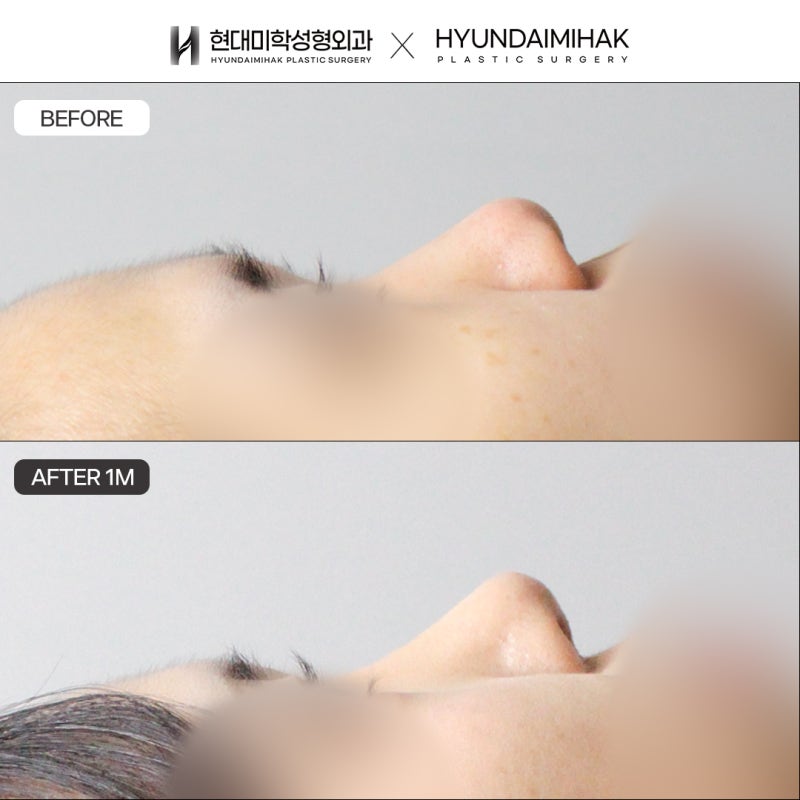
In the past, autologous rib cartilage rhinoplasty was mainly used for revision rhinoplasty. When artificial implants used in previous surgery caused problems such as foreign-body reactions or a contracted nose, autologous rib cartilage could be used to achieve more natural and stable results. Recently, however, it has also become popular among patients considering their first rhinoplasty. Even for a first surgery, if a patient feels reluctant about artificial implants or has insufficient ear cartilage or septal cartilage, rhinoplasty using autologous rib cartilage can be highly effective. This surgical process is relatively complex and requires precision. To harvest autologous rib cartilage, an incision of about 2 to 2.5 cm is needed in the chest area. A scar may form at this site, but in most cases it recovers to the point of being barely noticeable within one year. Care of the incision site is necessary to minimize scarring, and early pain may feel sore and stiff, but it generally eases within 2 to 3 days.
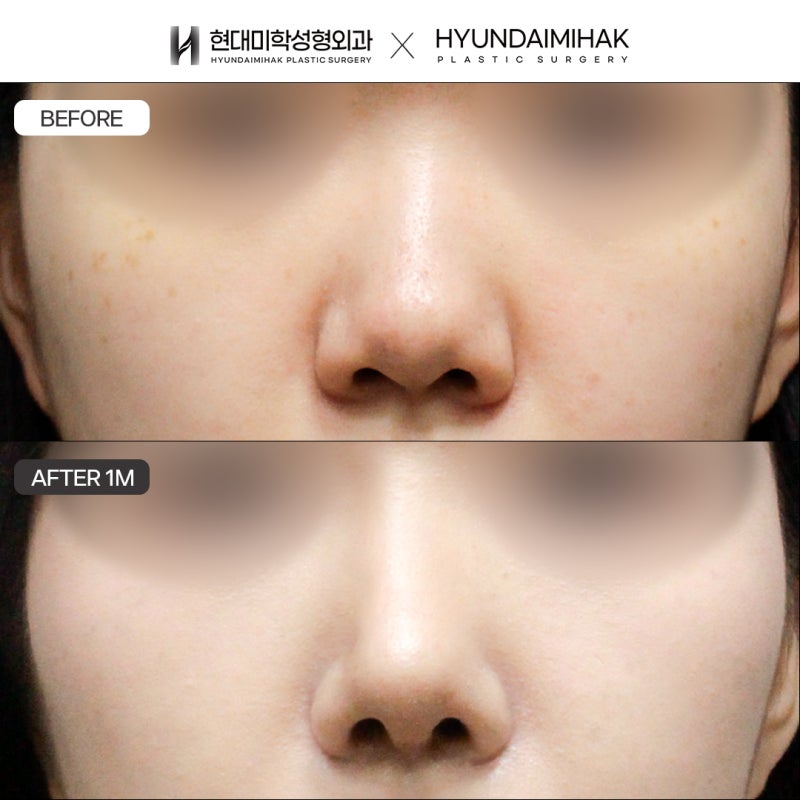
After surgery, an appropriate recovery period and proper care are important. Usually, taking about one week of sufficient rest is recommended, and postoperative care has a major impact on the surgical outcome. During this time, it is important to carefully follow the instructions provided by the clinic. In particular, to prevent warping, a phenomenon in which cartilage bends, careful attention must be paid to the selection and combination of cartilage during surgery. Warping refers to the nasal bridge or nasal tip becoming bent over time after nose surgery due to the cartilage’s tendency to return to its original shape. This can occur especially when costal cartilage is used, and minimizing this phenomenon is very important in autologous rib cartilage rhinoplasty. To do so, a less curved portion of costal cartilage should be selected, and the cartilage must be properly shaped before insertion. At Hyundai Aesthetic Surgery, to help prevent warping, we use a method for the nasal bridge that combines costal cartilage particles with other tissues instead of using a whole piece of rib cartilage. This helps prevent bending and allows the nose shape to be maintained more naturally. In addition, for septal extension, the straightest rib cartilage must be used to achieve a stable effect.
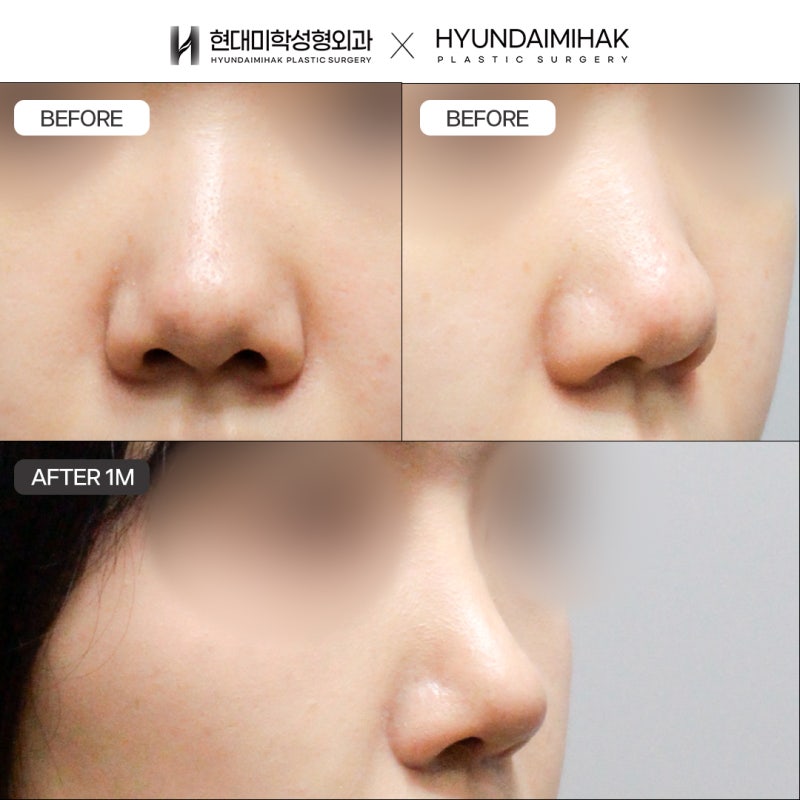
Autologous rib cartilage rhinoplasty is a safe and effective method that can be widely applied from first-time surgery to revision surgery. It is highly suitable for those who want natural-looking results and are concerned about foreign-body reactions or side effects, and it can improve the shape of the nose beautifully and naturally. However, because this surgery is complex and requires delicate technique, it is important to proceed after consulting with medical professionals who have extensive experience and skill. Hyundai Aesthetic Surgery provides professional consultations and surgery for those considering cosmetic procedures. To achieve safe and satisfying results, we encourage you to find the optimal surgical method for you through a thorough consultation.