



Low Nose Surgery Can Make Things Worse If Done Incorrectly
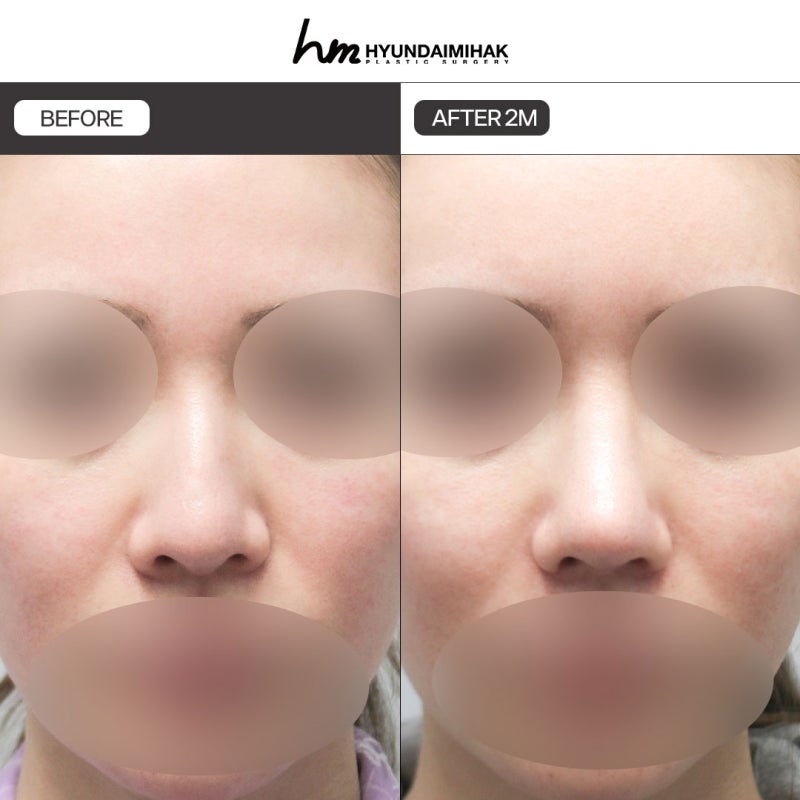
Hello, this is Hyundai Aesthetic Surgery. A low nasal bridge and a wide, spread nasal tip can have a significant impact on the overall impression of the face. Because the nose is located at the center of the face, it plays an important role in determining first impressions. If the nasal bridge is low or the tip is spread out, the face may appear less three-dimensional and the features may look less defined. In particular, the eyes may appear farther apart, or the face may look flat, which is why more people are considering low nose surgery. However, rather than simply focusing on making the nose higher, it is far more important to design a harmonious line that suits each person’s face shape and facial proportions. Creating a high nose without careful planning can actually lead to an unnatural result, so finding the most natural and balanced shape for you is essential for achieving satisfying results.
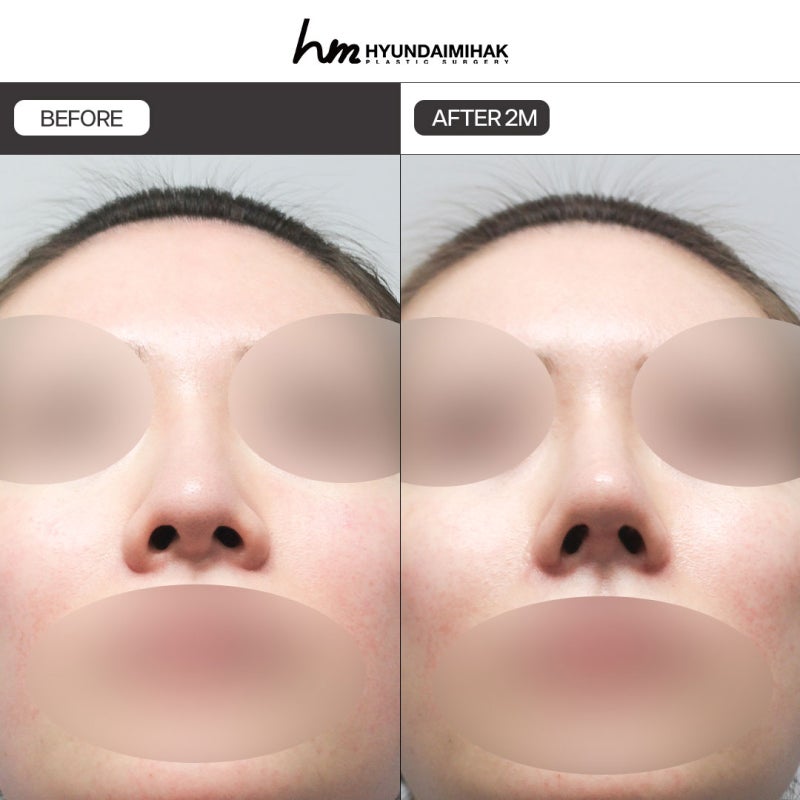
Low nose surgery should take into account not only appearance but also functional aspects. In fact, people with a low nose may also have structural issues such as a deviated septum or narrowed nostrils, which can make breathing uncomfortable or cause frequent nasal congestion. Therefore, when performing surgery, it is advisable not only to raise the nasal bridge but also to examine the internal structure and correct any areas that require functional improvement at the same time. Surgery that considers both aesthetics and function in this way can have a positive impact not only on short-term satisfaction but also on long-term health. It is important to remember that rhinoplasty is not simply a procedure to become more attractive, but a medical approach that should also help improve quality of life.
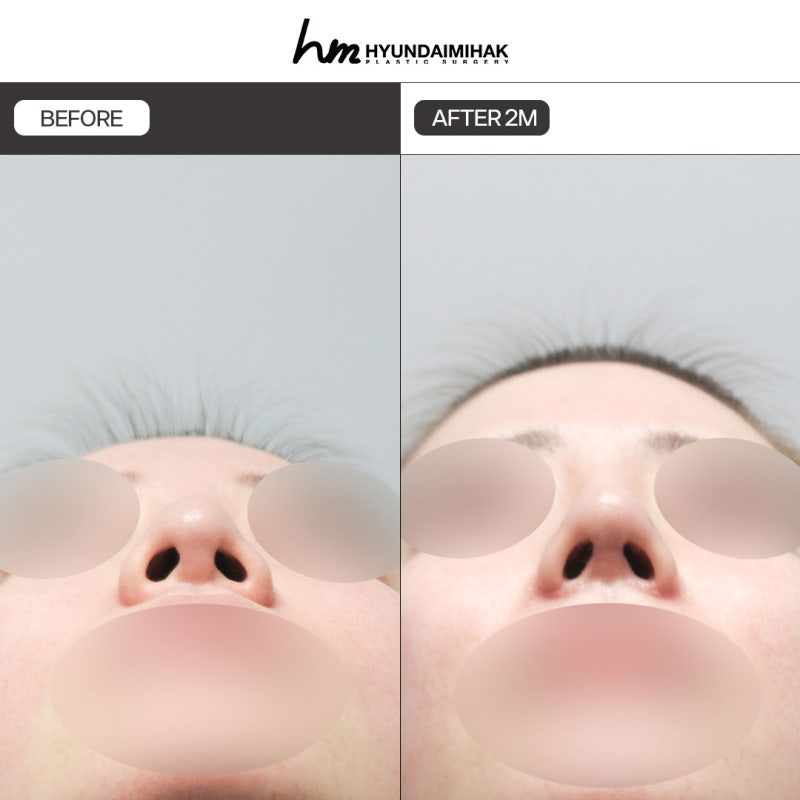
The surgical method also varies depending on each individual’s condition. In low nose surgery, implants are commonly used to raise the nasal bridge. At this time, the shape must be carefully adjusted so that the line from the forehead to the nose connects smoothly and naturally, and a customized design that considers skin thickness, face shape, and other factors is essential. In addition, because the nasal tip has thin skin and is an area with frequent movement, autologous tissue is often used. Ear cartilage, septal cartilage, and rib cartilage may be used, allowing for more delicate correction. In particular, the direction, height, and angle of the nasal tip must be refined carefully so that the overall impression becomes softer and more natural. Since these factors can affect the completeness of the result depending on the medical team’s skill and experience, thorough consultation and choosing a trustworthy clinic are especially important.
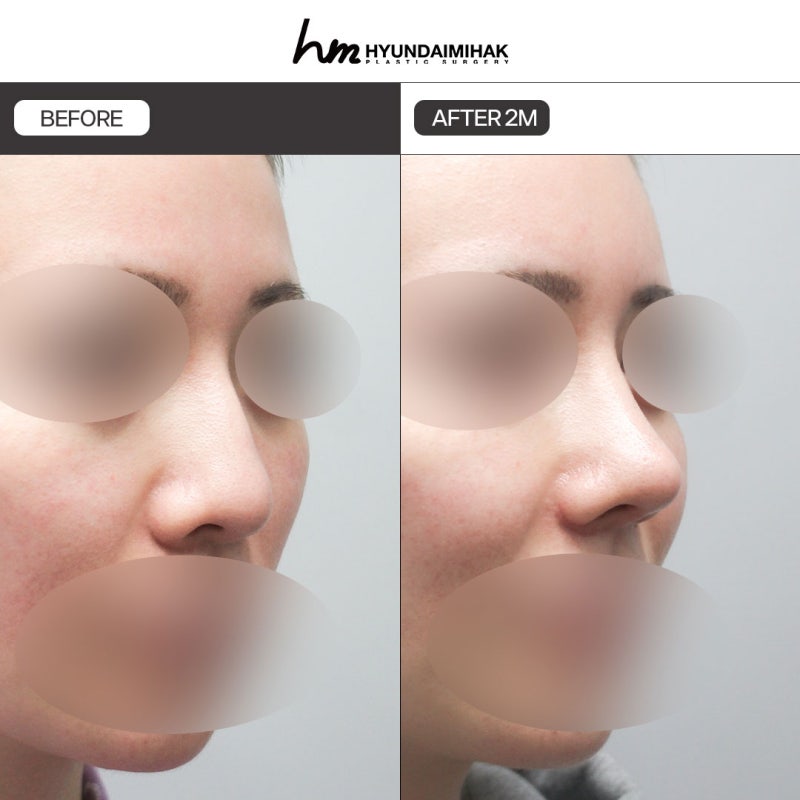
Postoperative care is also an important factor that determines the success of low nose surgery. In particular, immediately after surgery, care is needed to minimize scarring. With an open incision, a temporary red line may remain on the columella, but it gradually fades and heals over time. On the other hand, a closed incision involves less concern about external scarring, but the surgical access range may be limited. Regardless of the surgical method, following basic recovery principles such as sun protection, minimizing external irritation, and refraining from smoking and drinking has a major impact on recovery speed and results. It is also recommended to avoid strenuous exercise, swimming, and visits to saunas or Korean jjimjilbangs for at least 2 to 4 weeks. In this way, thorough postoperative care must be carried out in order to maintain results for a long time and achieve a highly satisfying cosmetic surgery experience.
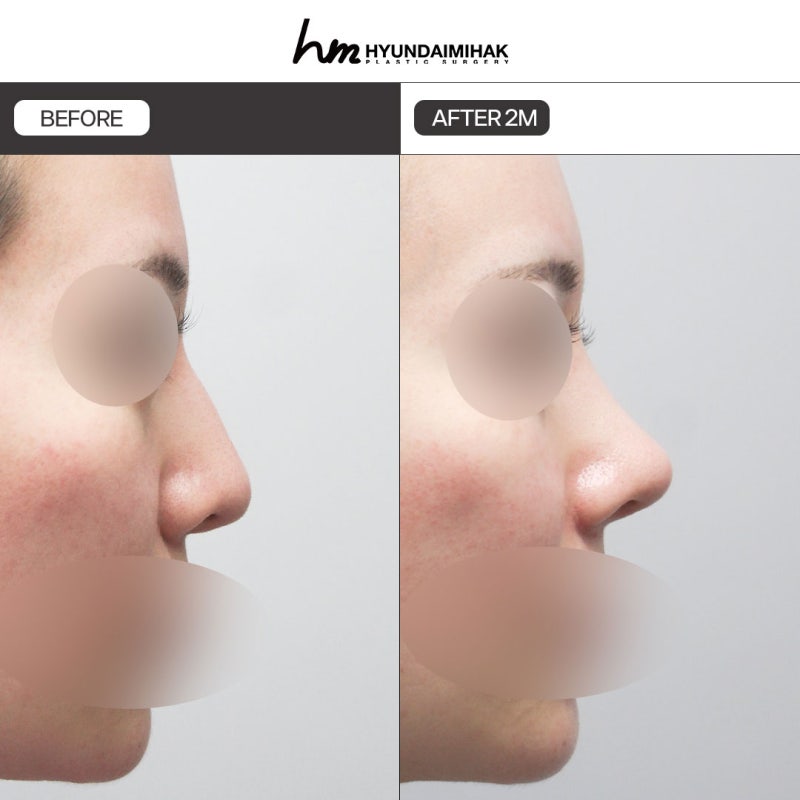
Low nose surgery does not end with the surgery itself. Over time, body tissues may change or the shape may be altered by external impact, so long-term management is important. In particular, it is important to visit the clinic at regular intervals after surgery to check both the internal structure and external appearance of the nose and to respond quickly if needed. In daily life, habits such as pressing the nose excessively or letting it be compressed by a pillow should be avoided, and when wearing glasses, care should be taken so that their weight does not place strain on the nose. Each of these everyday habits can become an important factor in preserving the surgical result.
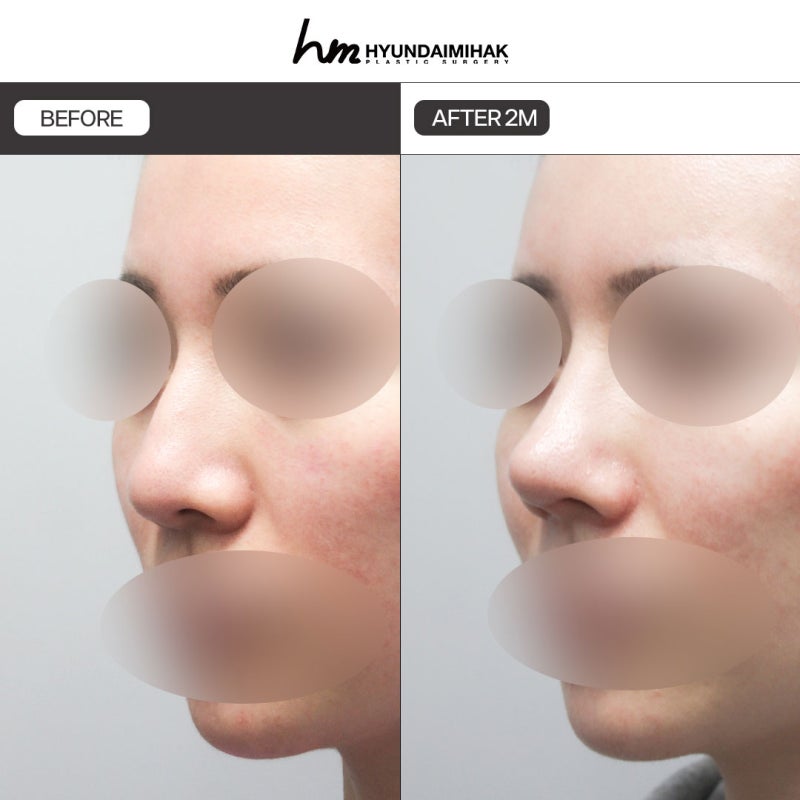
In conclusion, low nose surgery is not simply a procedure to make the nose “look higher.” It requires comprehensive consideration of overall factors such as face shape, skin type, internal structure, and recovery care, and true success can only be achieved when harmonious and healthy results are created based on these considerations. At Hyundai Aesthetic Surgery, we pursue customized low nose surgery based on these standards and provide careful responsibility from the initial consultation through postoperative care. If you are considering surgery, we recommend having a thorough consultation with a specialist to find the method that is best suited to you. Cosmetic surgery is the first step toward changing yourself and a decision for a better everyday life.