How to Choose Rhinoplasty Materials Hyundai Aesthetic Surgery Explains
Hello, this is Hyundai Aesthetic Surgery. Because rhinoplasty is a surgery involving the central part of the face, the result can significantly change your overall impression and have a major impact on your confidence. Many people focus only on the design or line when considering nose surgery, but in reality, the type of rhinoplasty material used plays a decisive role in surgical satisfaction. Rhinoplasty materials are not only key elements that determine the shape and height of the nose, but are also directly linked to long-term durability and safety, so they must be carefully understood and selected. Rather than choosing a clinic simply because it is well known, it is important to consult thoroughly with the medical team about which material best matches the result you want.
The main types of rhinoplasty materials include autologous cartilage, medical-grade silicone, Gore-Tex, and synthetic biomaterials that have recently gained attention. Autologous cartilage uses your own tissue, such as ear cartilage, septal cartilage, or rib cartilage, and has the advantage of causing very little rejection. However, the harvesting process may cause pain and scarring, and the surgery time may be longer. Medical-grade silicone has long been the most widely used material because it maintains its shape well and is relatively reasonably priced. Gore-Tex provides a soft and natural feel, but it is expensive and can be difficult to remove in revision surgery. Recently, more patients are also reducing the burden of surgery by using biocompatible synthetic materials or fillers.
There are various factors to consider when choosing rhinoplasty materials. First, skin thickness and nasal structure must be carefully assessed. If the skin is thin, the edges of silicone may show through, so Gore-Tex or autologous cartilage may be more suitable. Conversely, if the skin is thick, silicone can help create a more defined shape. The material needed also varies depending on the desired design: for example, autologous cartilage may be chosen to raise the nasal tip, while silicone may be selected to create a more defined bridge line. To achieve the best result, the possibility of rejection or infection, long-term durability, and cost should all be considered comprehensively.
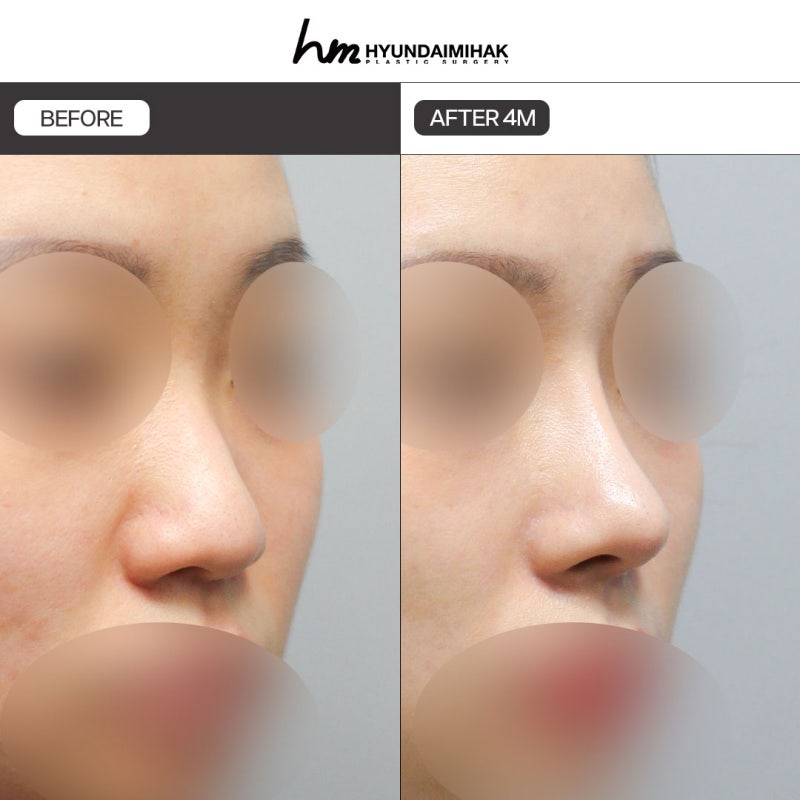
Postoperative care is also an important factor that determines the success of rhinoplasty materials. Immediately after surgery, it is helpful to minimize swelling with cold compresses and avoid strenuous activities, alcohol, and smoking for a certain period. During the early recovery period, if swelling remains around the material for too long, the shape may become less defined, so maintaining lifestyle habits that support recovery is essential. It is also important to maintain strict hygiene to prevent infection, and high-risk activities such as swimming or sauna use should be avoided for a while. Over time, rhinoplasty materials may shift or become deformed, and in such cases, it is safest to consult the medical team promptly to determine whether revision surgery is needed.
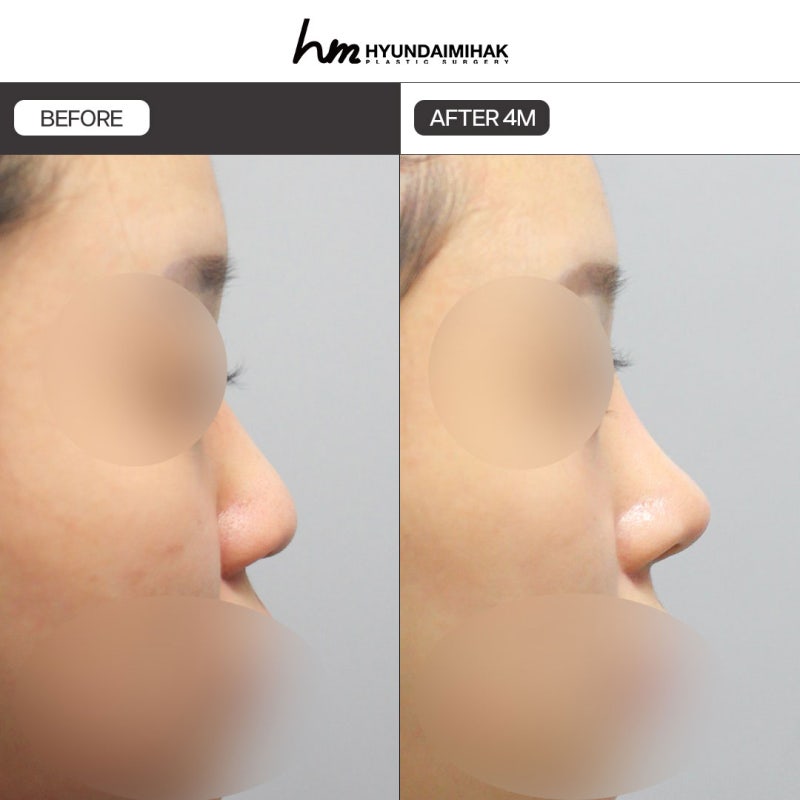
Even if an option appears favorable in the short term, rhinoplasty can ultimately lead to regret if long-term stability and safety are not considered. For example, fillers or simple synthetic materials may be affordable and allow quick recovery at first, but they are difficult to maintain over the long term, and repeated procedures can increase the overall cost. In contrast, autologous cartilage may involve a greater initial burden, but it provides natural and stable results over the long term. Therefore, when choosing the right rhinoplasty material for you, it is important to comprehensively consider cost, maintenance period, safety, and the possibility of revision surgery.
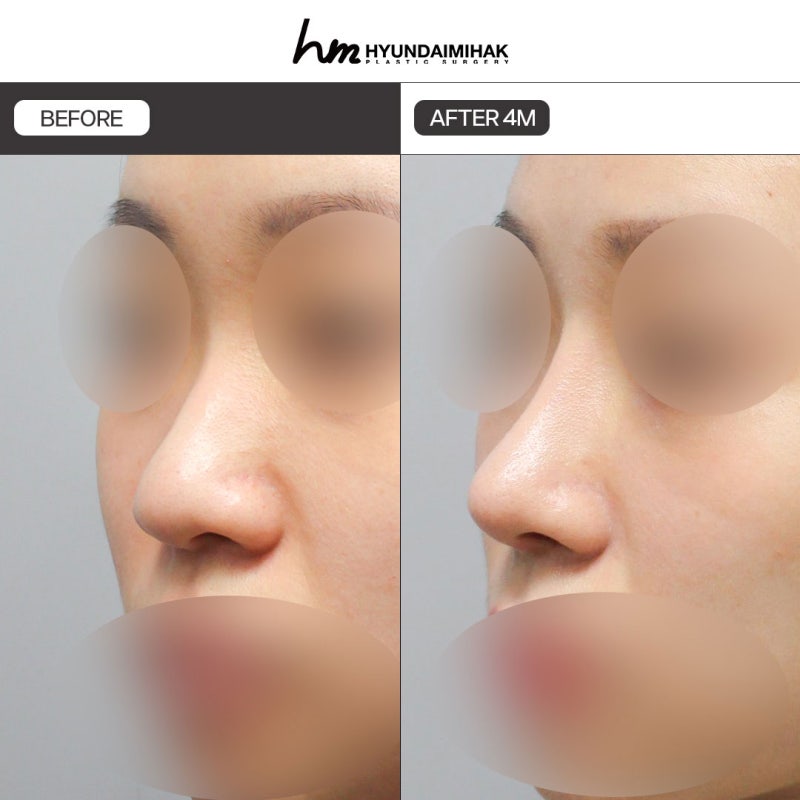
Ultimately, the success of rhinoplasty depends not only on the reputation of the clinic, but also on wisely choosing rhinoplasty materials that suit your condition and goals. Satisfying results can be achieved only after thoroughly discussing realistic factors such as skin thickness, desired design, long-term durability, and cost with the medical team and selecting the material optimized for you. In particular, Hyundai Aesthetic Surgery, located a 1-minute walk from Exit 1 of Sinsa Station, has 14 years of experience and offers a range of rhinoplasty materials as well as high-quality donated rib cartilage, creating an environment that helps minimize scarring while maintaining the effects of rhinoplasty for a long time. If you are considering rhinoplasty, we recommend visiting us in person for a consultation.