



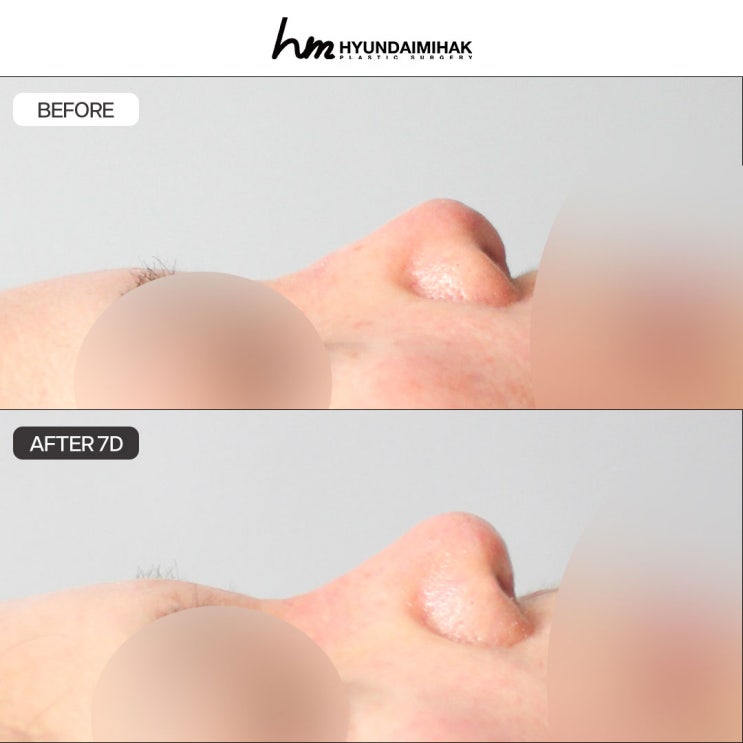
Nasal reconstruction surgery: a careful look with Hyundai Aesthetic Surgery

Hello, this is Hyundai Aesthetic Surgery. Many people consider rhinoplasty, but not all nose surgeries are the same. Standard rhinoplasty, which aims simply to improve appearance, and nasal reconstruction surgery, which must restore a damaged or deformed nose, are procedures of an entirely different level. A typical rhinoplasty may be limited to refining the nasal tip or adjusting the height of the nasal bridge. However, nasal reconstruction surgery is a highly advanced procedure that must restore function and achieve aesthetic balance at the same time when the nasal structure has collapsed due to trauma, congenital deformity, or complications from a previous surgery. Therefore, not only the surgeon’s skill and experience but also the hospital’s specialized system are essential.

One of the most important points in nasal reconstruction surgery is what materials are used and how the nasal structure is rebuilt. It is difficult to reliably restore an already damaged nose with simple implant insertion alone. For this reason, autologous tissue, such as septal cartilage, ear cartilage, and rib cartilage, is actively used. Rib cartilage in particular is often chosen when reconstructing a severely damaged nose because it is strong and available in sufficient quantity. In some cases, a minimal artificial implant may be used as support, but surgery centered on autologous tissue is recommended for stability and natural-looking results. The surgical method also goes beyond simply changing the external appearance and focuses on firmly rebuilding the collapsed structure and restoring the function inside the nasal cavity. Because even delicate blood vessels and soft tissues must be considered during this process, the surgeon’s anatomical understanding and experience determine the success of the procedure.

Of course, even when performed by a highly experienced surgeon, nasal reconstruction surgery is a complex procedure and carries the possibility of side effects. Common examples may include scarring at the surgical site, absorption of autologous tissue, recurrence of contracture, and functional discomfort such as nasal obstruction. If rib cartilage is harvested, scarring or chest pain may also occur for a short period. However, precise surgery by skilled medical staff and systematic postoperative care by the patient help reduce these side effects. What matters most is that, before surgery, patients receive a full explanation of the risk factors, understand realistic expectations and limitations, and share the same goals with their doctor.

One area many patients are curious about is how long recovery takes after surgery. Compared with standard rhinoplasty, nasal reconstruction surgery may require a somewhat longer recovery period. Initial swelling and bruising gradually subside over 2 to 4 weeks, and returning to normal social activities is usually possible after 3 to 4 weeks. However, it takes at least 6 months to 1 year for the internal structure to settle stably. During this period, regular follow-up examinations and careful management are necessary, and it is important to avoid strenuous exercise or external impact. Even minor carelessness during recovery can cause deformation again, so following the medical team’s instructions is more important than anything else.

When choosing a hospital, you should first check how much experience it has with nasal reconstruction. Hyundai Aesthetic Surgery has already accumulated rich clinical experience by performing many highly complex revision rhinoplasty and nasal reconstruction surgeries. The clinic plans each surgery with attention not only to shape but also to functional recovery and natural harmony with the whole face. During consultation, we carefully examine each patient’s nasal condition and needs and then explain a customized surgical plan. Because the experience and know-how of the medical team make a difference in nasal reconstruction, we recommend checking this directly during a consultation.


