Short Nose Revision Surgery When Contracture Is the Cause
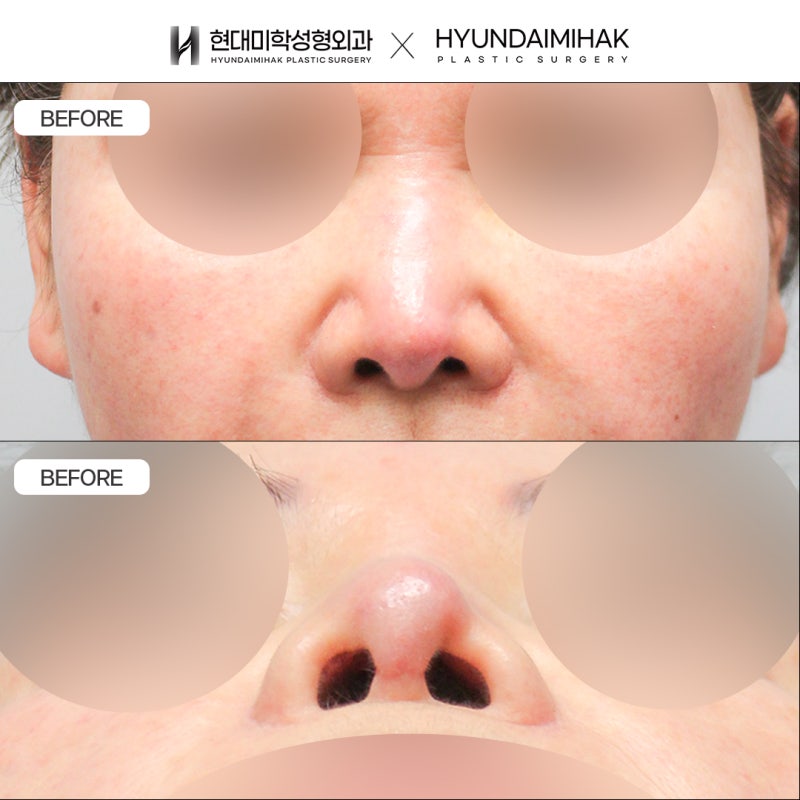
Hello, this is Hyundai Aesthetic Surgery. It is unfortunate, but as rhinoplasty has become more common, the number of people who have experienced unsatisfactory rhinoplasty results has also increased, and we receive many inquiries about revision surgery. Among the various types of revision cases, many people are also struggling with inflammation or contracture. Today, we will take a closer look at how to consider short nose revision surgery when the nose has become shorter due to inflammation and contracture, and which materials may be appropriate for short nose revision surgery.
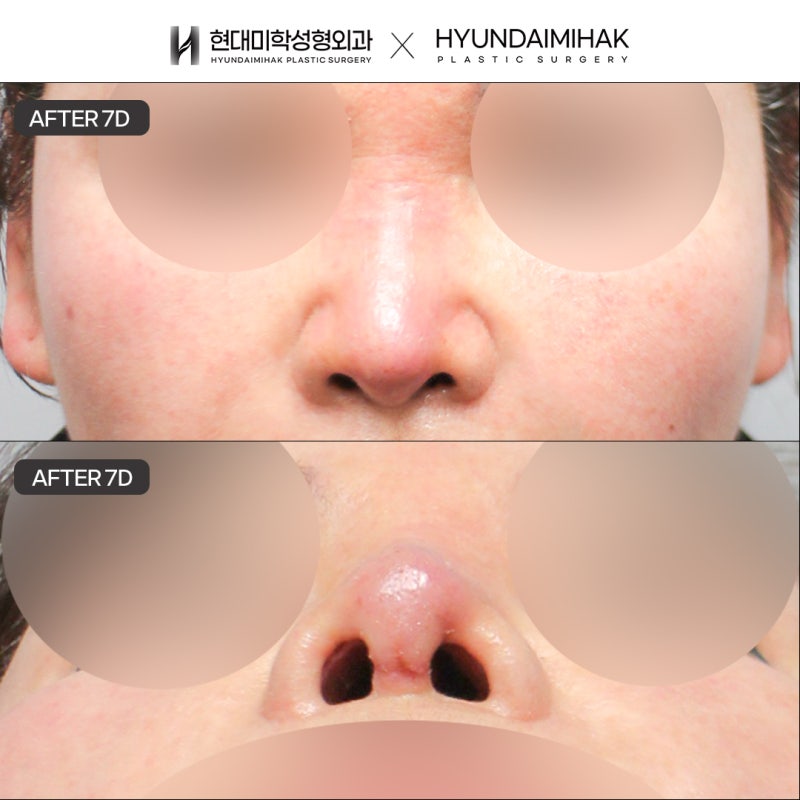
Because the nose is located at the center of the face, it plays a major role in determining one’s overall impression. In short nose revision surgery, redesigning the nose in the right direction is important, but the situation can be different when uncomfortable functional issues such as inflammation, contracture, or pain are also present. In such cases, design is still important, but it is better to set aside an excessive focus on aesthetics and place greater emphasis on improvement. In particular, if inflammation or contracture occurs, leaving it untreated can worsen functional problems, so if you recognize these symptoms, it is best to consult a specialist promptly as soon as possible.
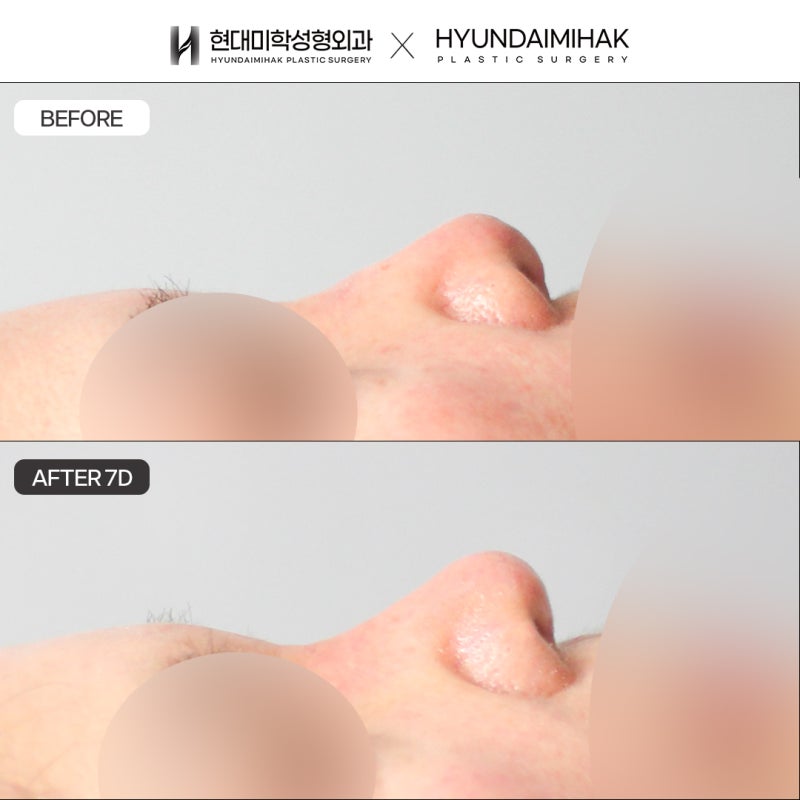
In urgent, life-threatening situations, there is what we call a golden time. Short nose revision surgery caused by contracture or inflammation also has an appropriate timing. In general, short nose revision surgery is recommended after about 6 months to 1 year following rhinoplasty, once the tissues have stabilized to some degree. However, if inflammation has occurred, surgery may need to be performed later than the generally recommended period depending on the condition of the nose, while in some cases immediate surgery may be necessary. Therefore, if you recognize that you may need short nose revision surgery, early management may be advantageous, so consulting a specialist as soon as possible to determine the right timing for revision surgery can be very helpful.
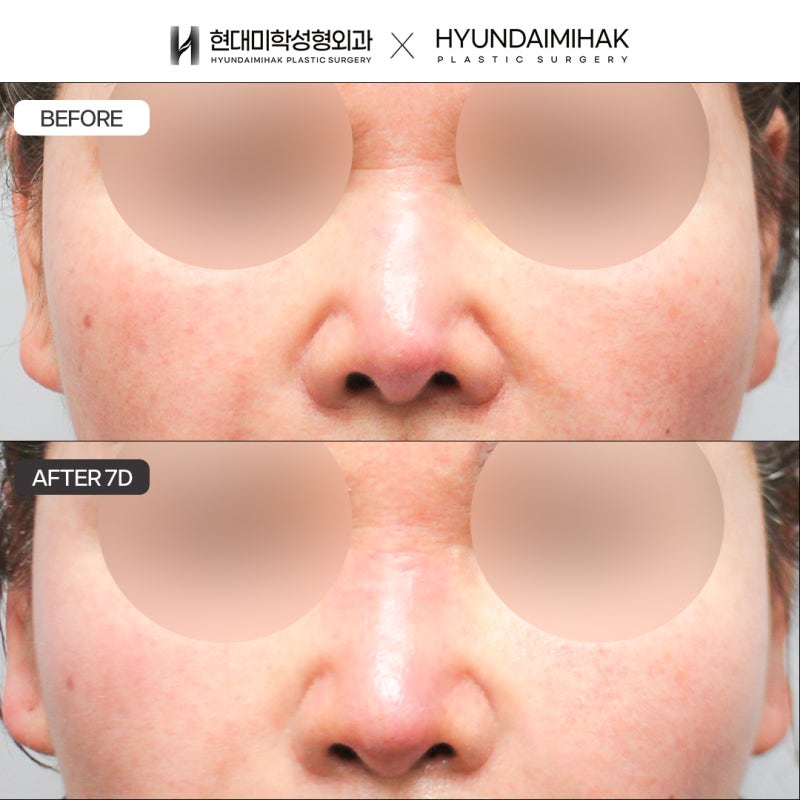
We also receive many questions about which nasal implants are used for short nose revision surgery caused by contracture. In revision cases involving contracture, it is generally better to use autologous tissue rather than artificial implants. Also, if an artificial implant was used in the previous rhinoplasty, it may be the cause of the problem, so it is important to have this checked with a specialist. If the previously used implant was the problem and the cause of inflammation, using autologous tissue is recommended to help reduce the chance of recurrence.
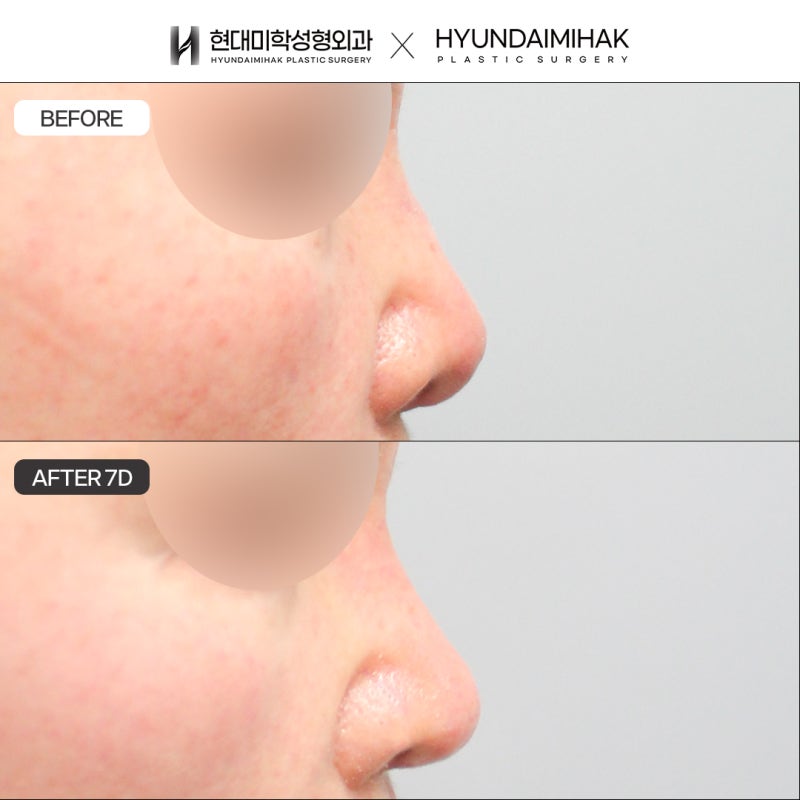
Common autologous materials used in rhinoplasty or revision surgery include autologous dermis, ear cartilage, septal cartilage, and rib cartilage. Because these are harvested directly from the patient, the likelihood of inflammatory reactions or side effects is generally much lower than with artificial implants. In addition, because there is less concern about a foreign-body sensation or the implant showing through the skin, people who feel reluctant about artificial implants sometimes choose implant-free rhinoplasty using autologous tissue from the beginning. Design is an extremely important area, but in revision rhinoplasty for simple dissatisfaction with design, focusing only on design can lead to unexpected situations or the need for another revision due to rapidly changing trends. Therefore, we hope you will consult a specialist and make a careful decision about surgery. Thank you.