What causes a deviated nose by area in revision surgery for a crooked nose?
Hello, this is Hyundai Aesthetic Surgery. We have received inquiries from patients who are considering revision surgery for a crooked nose after their nose appears bent or droopy due to the surgical method, the surgical process, or other reasons following rhinoplasty, so we would like to discuss this topic. There are many types of crooked noses. A nose may be crooked congenitally, due to an accident, the nasal bridge may appear crooked after surgery, the nasal tip may appear crooked after surgery, or the columella, the pillar of the nose, may become deviated after surgery. Today, among these cases, we will look at noses that have become crooked after surgery and revision surgery for a crooked nose.
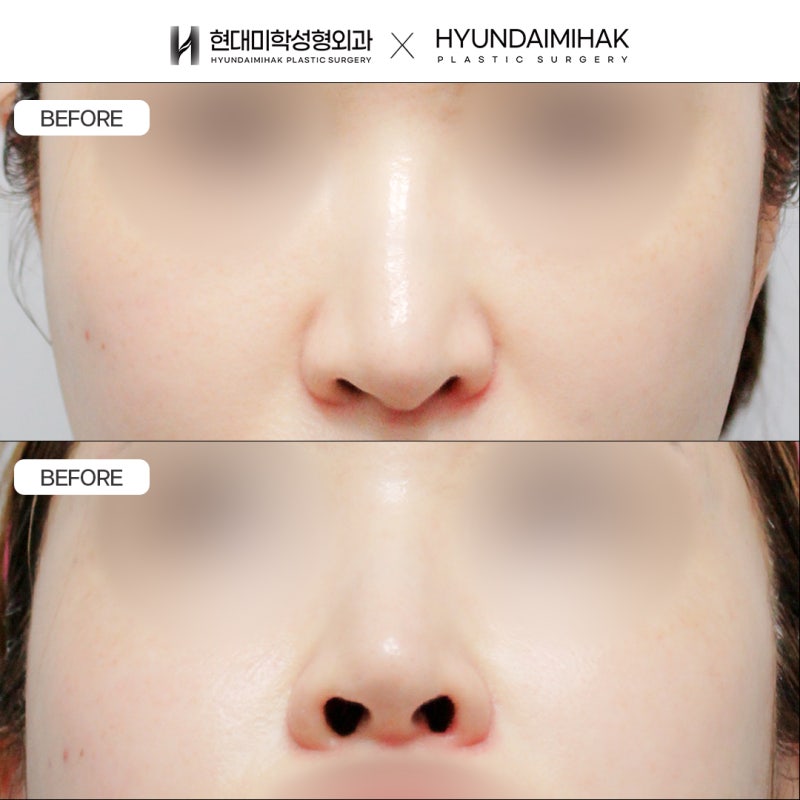
When the nose is congenitally crooked, it may be associated with functional issues known as a deviated septum. If the nose became crooked because of rhinoplasty, there is a high possibility that it may be a case of an unsuccessful surgery. A deviated septum, which is one type of congenital crooked nose, refers to the bending of the septal cartilage. Therefore, it is accompanied by functional problems such as nasal congestion and migraine symptoms. For those who have a deviated septum, it is advisable to correct the deviated septum through functional rhinoplasty, and in less severe cases, a crooked nose can be improved through osteotomy during rhinoplasty.
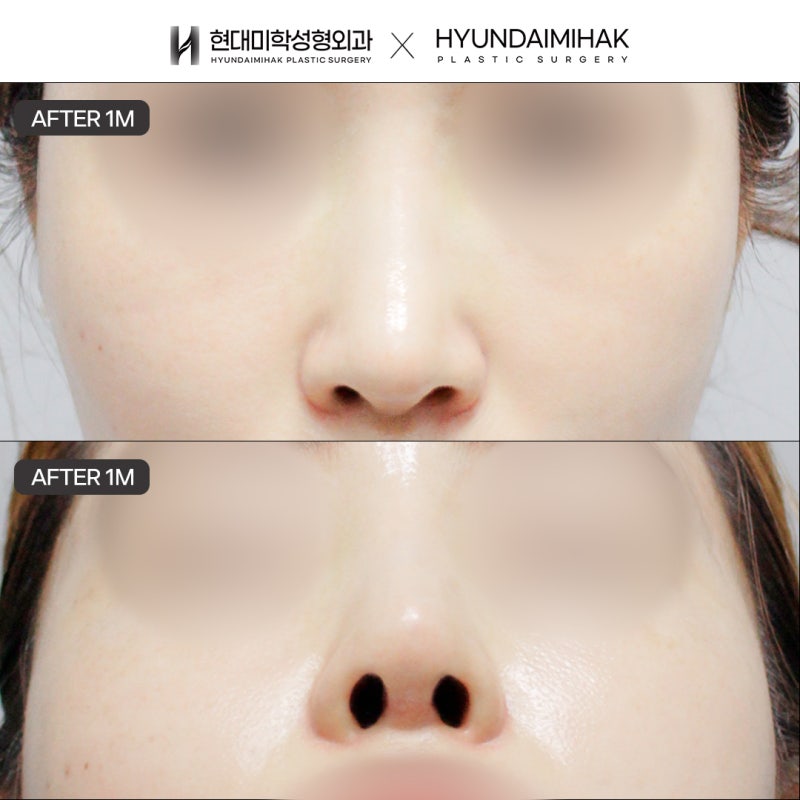
Some people looking into revision surgery for a crooked nose may have only recently undergone rhinoplasty. Rather than waiting indefinitely for swelling to go down because you think the crooked appearance is due to swelling, it is most appropriate to receive help by identifying the cause of the deviation through consultation with a qualified specialist. However, if it has only been immediately after surgery or less than 2 to 3 weeks, swelling may be concentrated on one side and make the nose appear crooked, so we recommend waiting and then receiving a consultation.
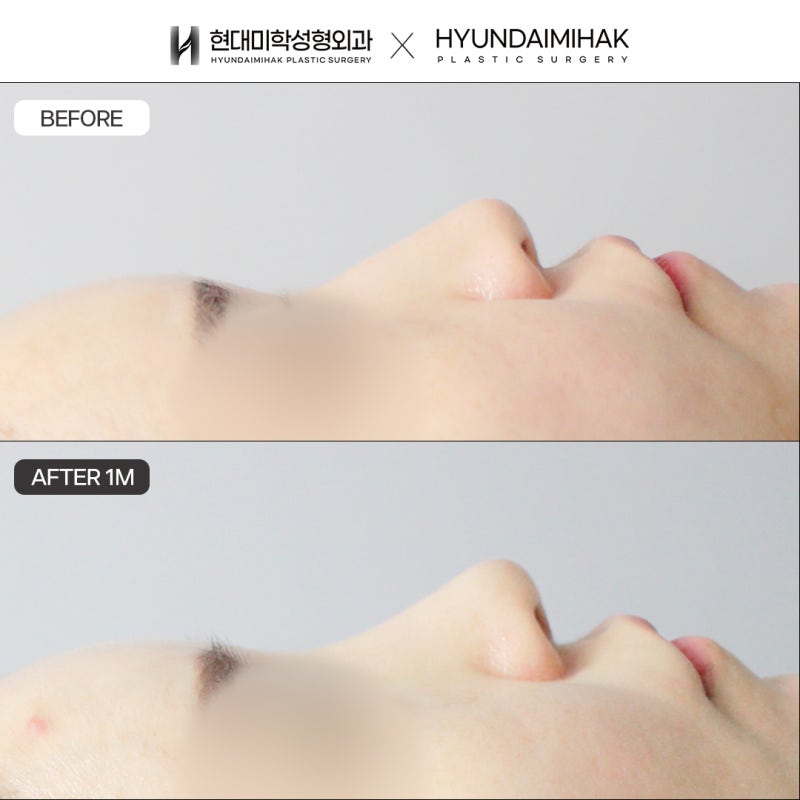
If the nasal tip appears crooked after rhinoplasty, there may be a problem with the material used during the surgery. This can happen if the grafted cartilage has moved away from its original position. In such cases, a process is needed to return it to the correct position through revision surgery for a crooked nose. However, because there are various causes of nasal tip deviation, an accurate diagnosis is essential. In addition, deviation of the nasal bridge may be related to the positioning of the implant during surgery or the space created for insertion. Since it is difficult to explain the specific reason for the deviation without seeing the actual case, if you are experiencing this type of problem, please contact us directly for a detailed explanation.
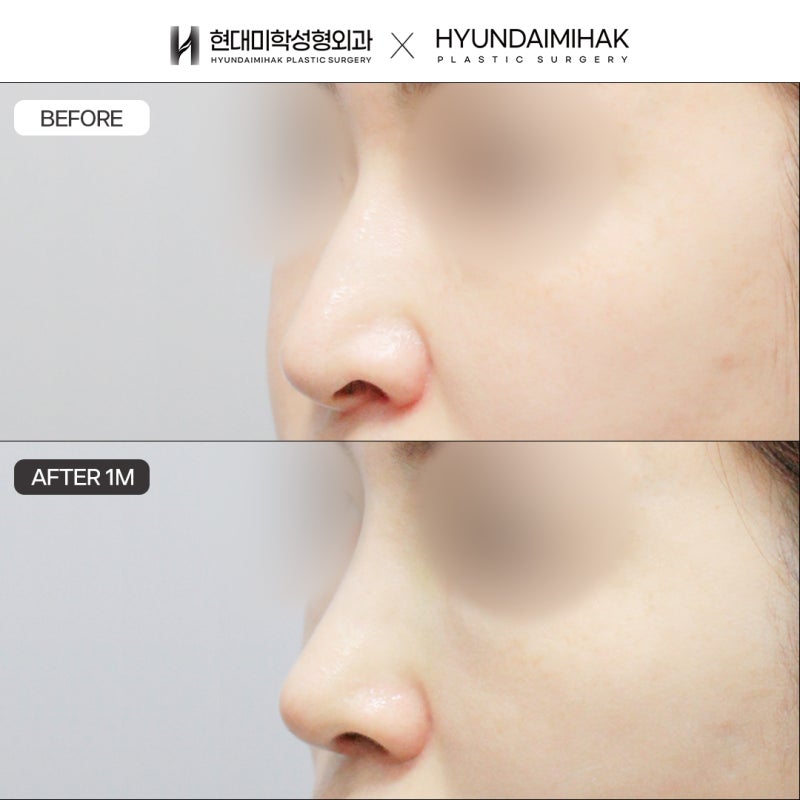
There are also cases where the columella, the pillar of the nose, becomes crooked after surgery. In these cases, nostril asymmetry may also be an issue. Those whose columella was slightly deviated even before surgery may find that it appears more crooked after rhinoplasty. If the nasal tip and columella begin to look crooked over time after surgery, it may be due to an issue with the support structure. Also, if the nasal tip was raised excessively during rhinoplasty, it may appear crooked, so it is important to identify this when undergoing revision surgery for a crooked nose.
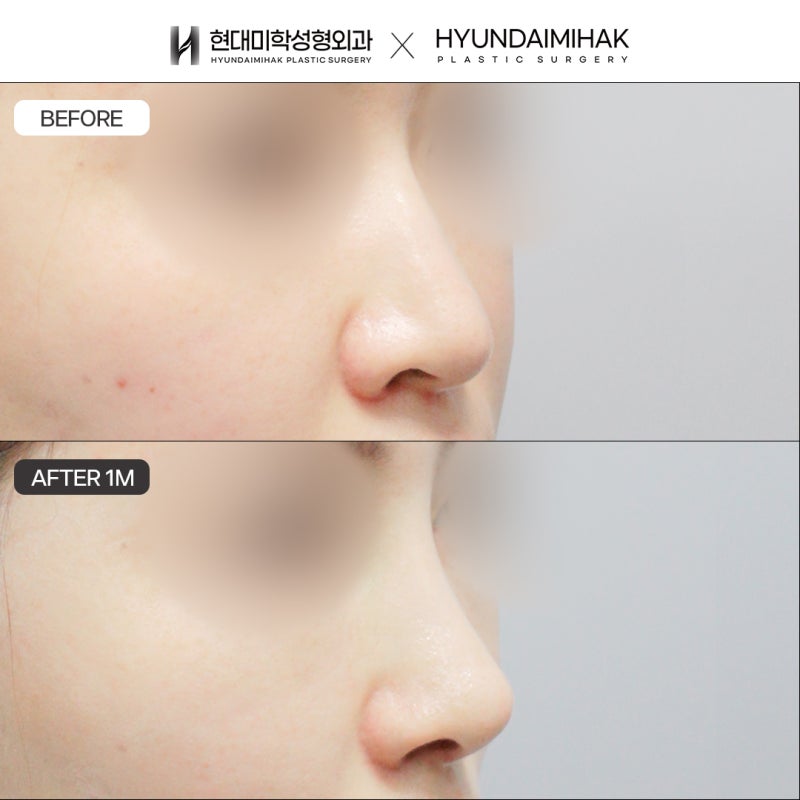
Among those looking into revision surgery for a crooked nose, many may have various concerns, such as wanting to correct the deviation while achieving a beautiful nose, or wanting to live with their original nose after implant removal. During diagnosis, please be sure to undergo a CT scan. Whatever your purpose may be for revision surgery for a crooked nose, we hope that your individual needs and nasal characteristics are carefully considered as much as possible, allowing you to safely return to a natural and beautiful nose. Thank you.