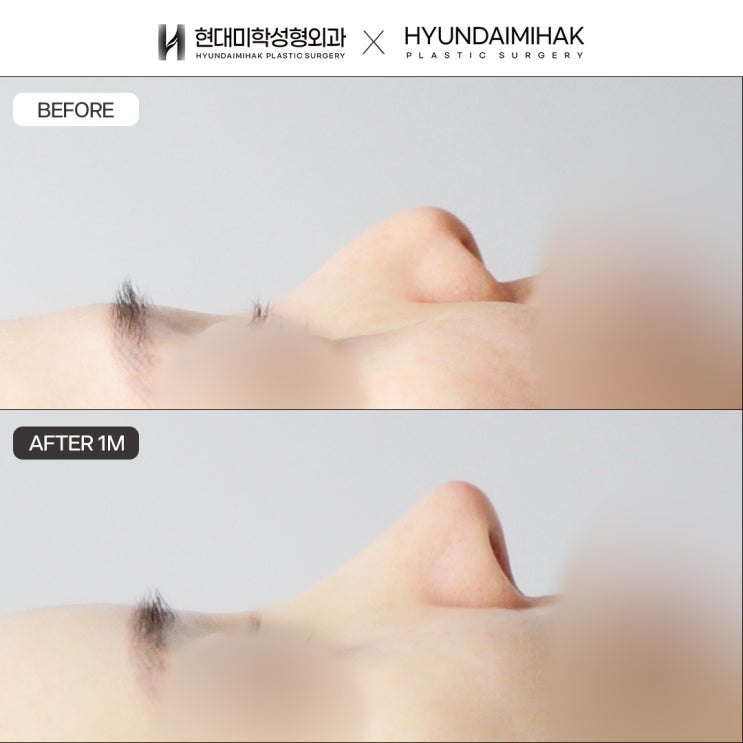
Revision rhinoplasty with rib cartilage using firm, durable material
Hello, this is Hyundai Aesthetic Surgery. Most East Asians tend to have a low nasal bridge, and many people choose rhinoplasty to improve both this concern and their overall complex about a low nose. However, after their first rhinoplasty, some patients feel less satisfied due to an unsatisfactory nasal line or nasal tip shape, or feel they did not achieve a significant improvement, so they begin looking into revision rhinoplasty. In particular, these days rib cartilage is often used to create a more defined, glamorous nasal tip, and more people are seeking information about revision rhinoplasty with rib cartilage.
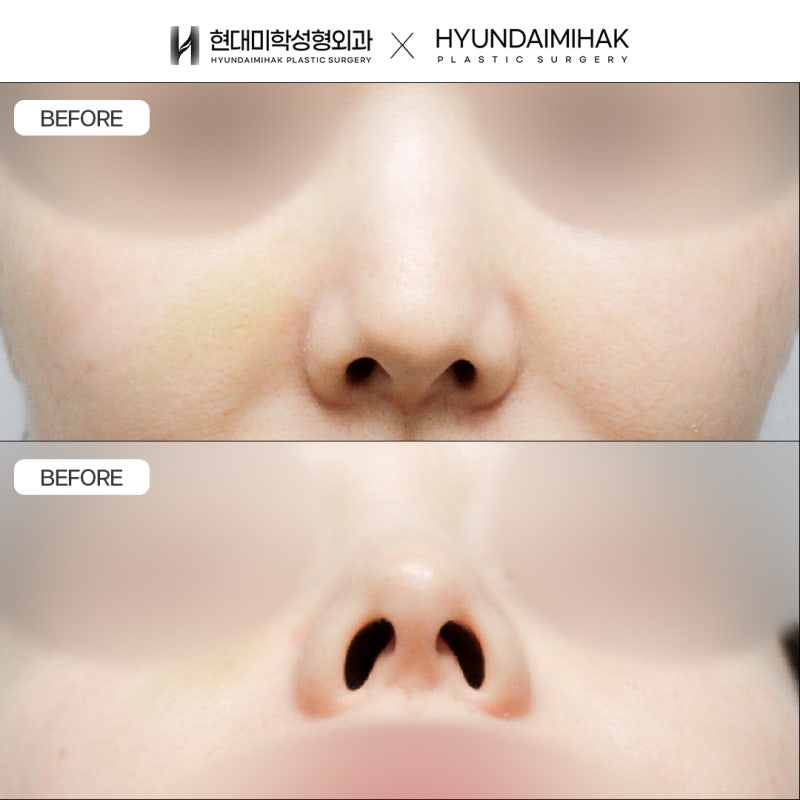
Rib cartilage was originally widely used as a material for revision surgery, but today it is also known to be commonly used even in primary rhinoplasty. In particular, autologous rib cartilage can be harvested in a larger amount than other autologous tissues, making it possible to create a more dramatic nasal line. Therefore, the reason revision rhinoplasty with rib cartilage is popular for both primary and revision cases can be briefly explained by these advantages, along with the fairly high preference among actual patients.
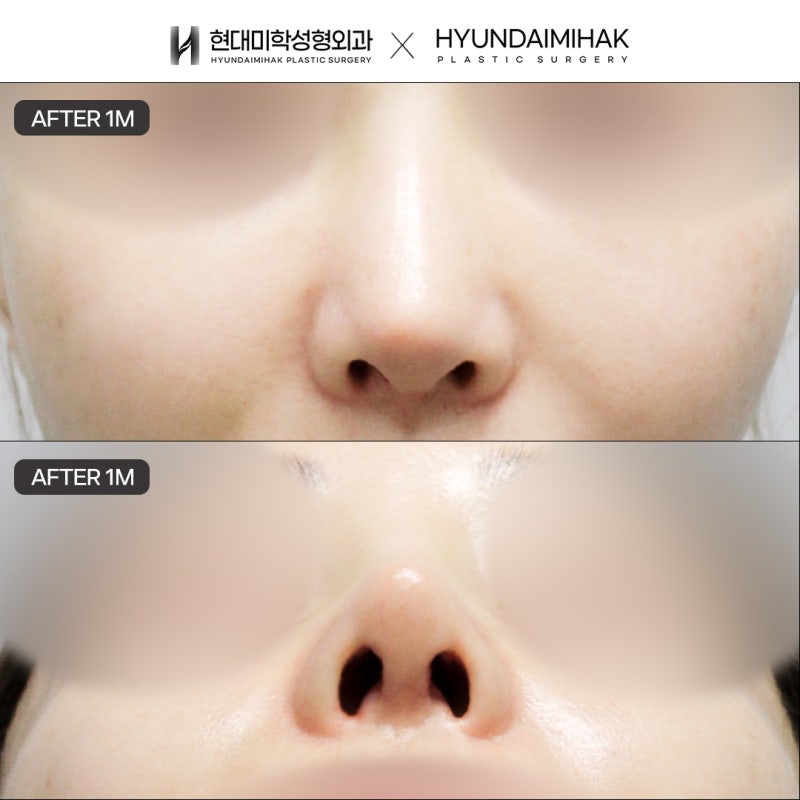
The rib cartilage used in revision rhinoplasty can be divided into two types: autologous rib cartilage and donated rib cartilage. As many of you know, autologous rib cartilage is harvested directly from the patient’s own body and used as an autologous tissue. Donated rib cartilage, another possible option, is not harvested directly from your body but uses donated tissue, which can shorten surgery time and also offer cost-related advantages, so many patients do choose donated rib cartilage.
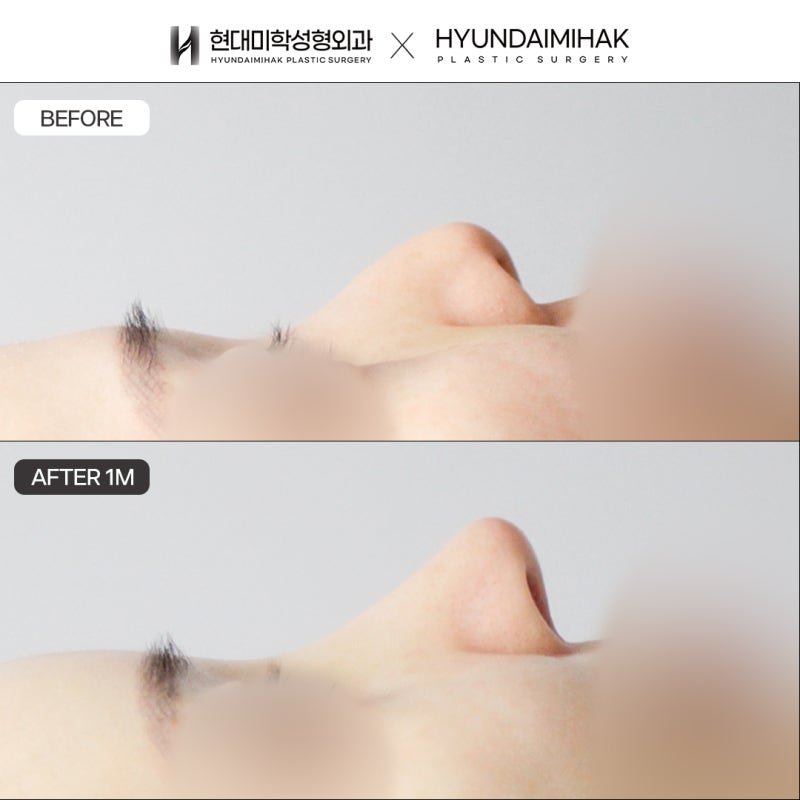
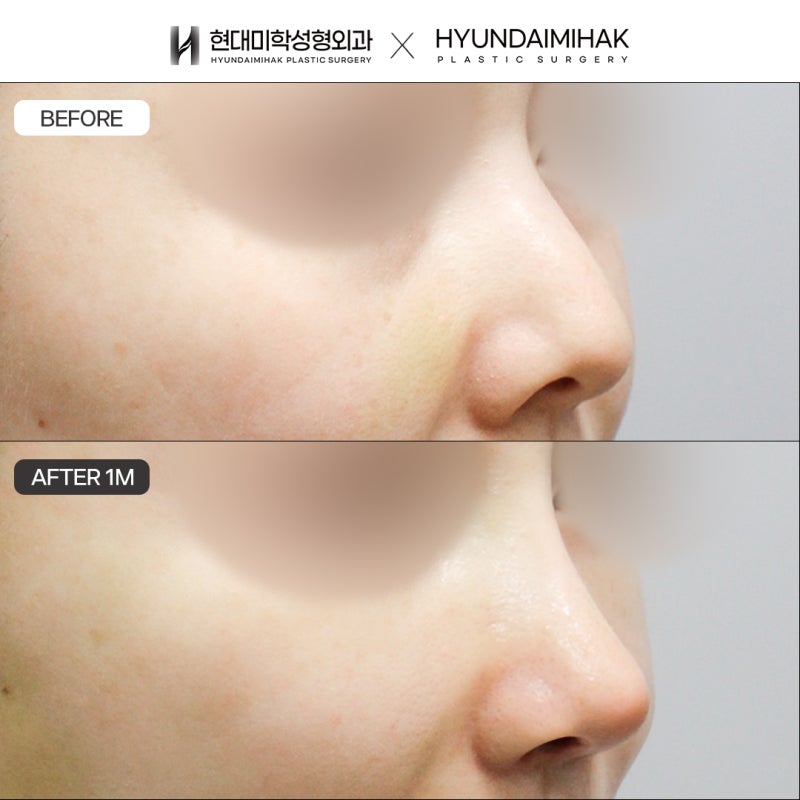
However, donated rib cartilage does not always have consistent quality, and because it is not autologous tissue, there is a possibility of inflammation. Please keep these points in mind and make a wise decision through consultation with a specialist on whether to use donated rib cartilage or autologous rib cartilage for revision rhinoplasty with rib cartilage. Also, autologous rib cartilage used in revision rhinoplasty has the characteristic of being firm. It offers many strengths in terms of durability and forming a supportive structure, making it quite solid and sturdy, which is why many patients choose revision rhinoplasty with rib cartilage for these reasons.
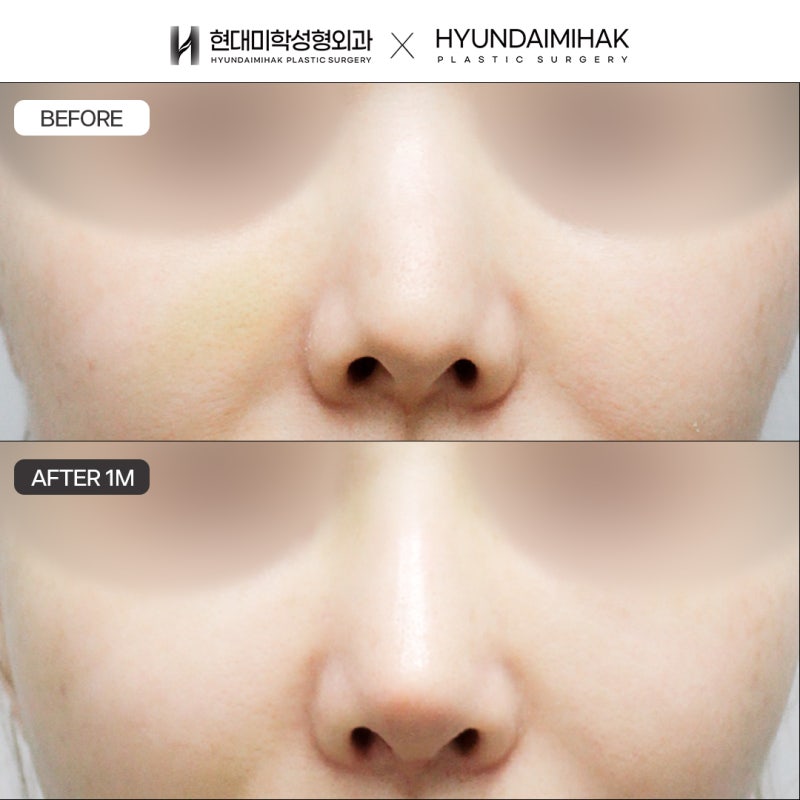
However, as the outcome can vary depending on the skill of the specialist performing the surgery, it is best to be as careful as possible when choosing a clinic. When receiving a consultation for revision rhinoplasty with rib cartilage, it may be helpful to make your decision after asking detailed questions: be sure to have a CT scan to precisely check whether there are any issues with your current nasal condition, whether there is a systematic postoperative care system, whether the medical team manages the process from surgery through follow-up, whether enough improvement cases similar to your nose are shown, and what surgical method will be used.
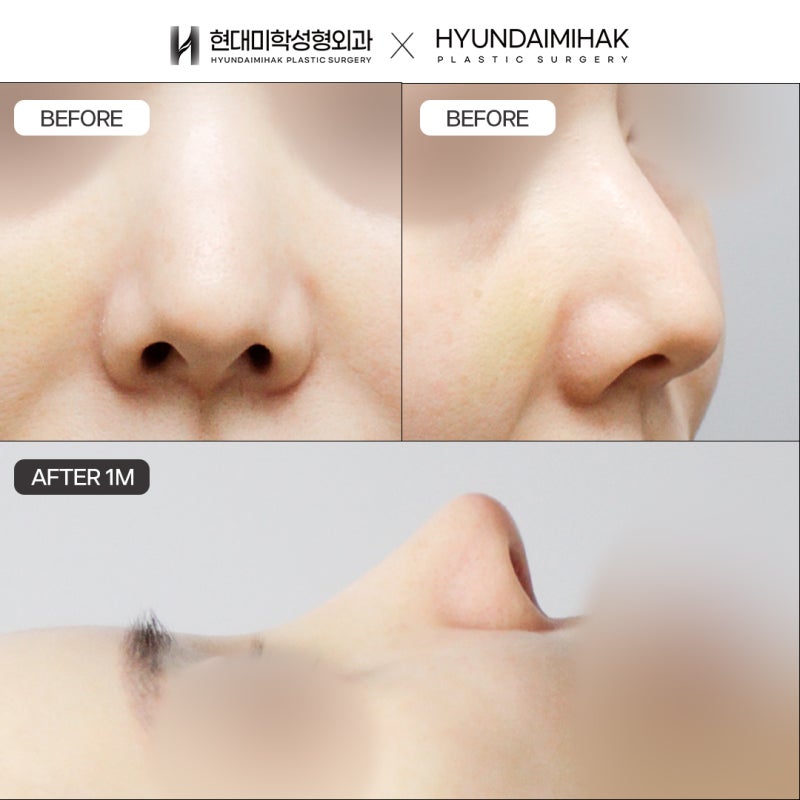
However, just because this material is highly preferred does not mean that everyone will have a successful rhinoplasty or that satisfying results are guaranteed with revision rhinoplasty using rib cartilage. And as mentioned earlier, it is only natural that the results may be satisfying or unsatisfying depending on the skill of the specialist performing the surgery. Also, there is no absolute reason why the most suitable nasal material for you must necessarily be rib cartilage, so the most accurate decision should be made based on diagnosis and your preferred material. We would also like to emphasize that material selection is not the entirety of rhinoplasty. Please keep this in mind, and we sincerely hope you achieve the results you want from your revision surgery. Thank you.