How to Avoid Repeated Failed Epicanthoplasty Surgery
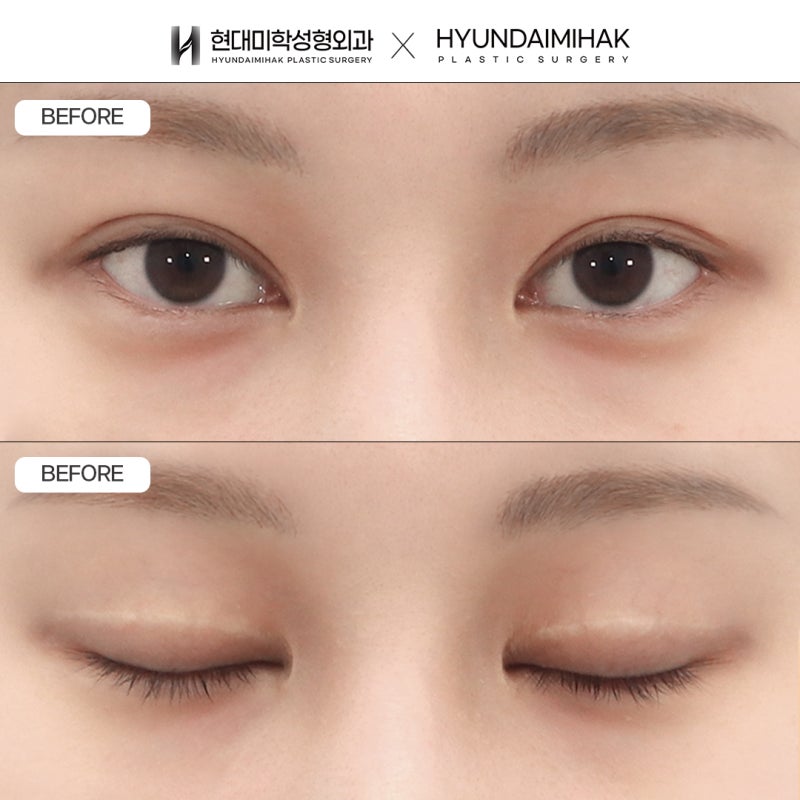
Hello. This is Hyundai Aesthetic Surgery. Recently, many people have been continuously contacting us to inquire about epicanthoplasty reconstruction. Today, eye surgery is viewed more positively than in the past, when it often carried a negative perception. In particular, epicanthoplasty is frequently chosen together with double-eyelid surgery by patients whose eyes are far apart or whose eye shape looks closed or heavy, and more surgeons are now able to perform this procedure. However, if the eyes were a major source of insecurity and the surgery was performed for that reason, only for the result to be a failed epicanthoplasty, it would naturally become an even greater source of stress. Even a small change to the eyes can greatly alter one’s impression, and in some cases, a person may even look like someone entirely different. Especially with epicanthoplasty, even a 1 mm difference can cause a fairly noticeable change in impression, so many patients visit us for consultation asking what they should do after a failed epicanthoplasty that has changed their eye shape.
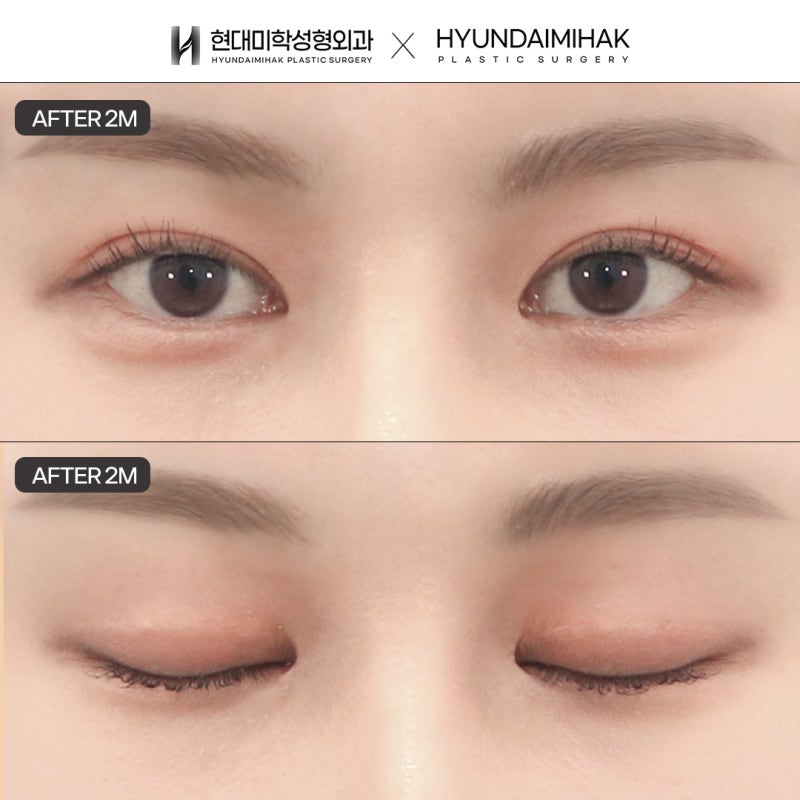
Epicanthoplasty is never a surgery that should be taken lightly. Of course, when performed only for those who truly need it, it can provide significant improvement. However, if the procedure is performed when it is not necessary, the eye shape may become unnatural and artificial. In addition, even if revision surgery is performed after a failed epicanthoplasty, it can be difficult to achieve a better result, and scars caused by the previous surgery may not be completely improved. For this reason, some people look into epicanthoplasty restoration. Epicanthoplasty restoration is a surgery that reconstructs the eye shape changed by epicanthoplasty to create a more natural result than before. Therefore, if you are concerned about an eye shape that does not suit you after a failed epicanthoplasty, improvement may be possible through epicanthoplasty restoration.
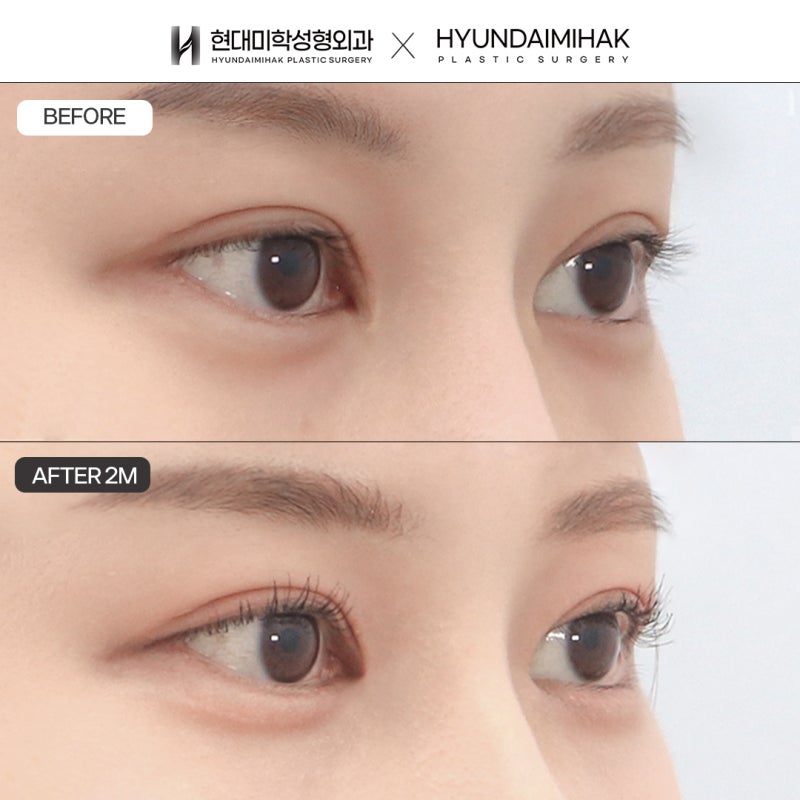
There are truly many different cases in which epicanthoplasty restoration may be needed. If the impression has changed because the inner corners of the eyes do not suit the face, it is advisable to aim for a natural-looking epicanthic fold through revision or reconstructive surgery. The next issue is scarring that occurs after failed epicanthoplasty. Scars that develop after epicanthoplasty can appear in many forms, including depressed scars, white scars, step-like scars, and sunken scars. Because these scars are located around the eyes, they are relatively easy for others to notice and difficult to cover with makeup, so many people hope to undergo reconstruction. Excessive epicanthoplasty can also make the distance between the eyes appear too narrow, creating an artificial-looking eye shape. In cases of excessive lacrimal caruncle exposure caused by overcorrection, the red caruncle becomes visible and may make the impression look harsh. Red caruncle exposure, a hook-shaped inner corner, and various scars that occur after failed epicanthoplasty are all cases that may require restoration.
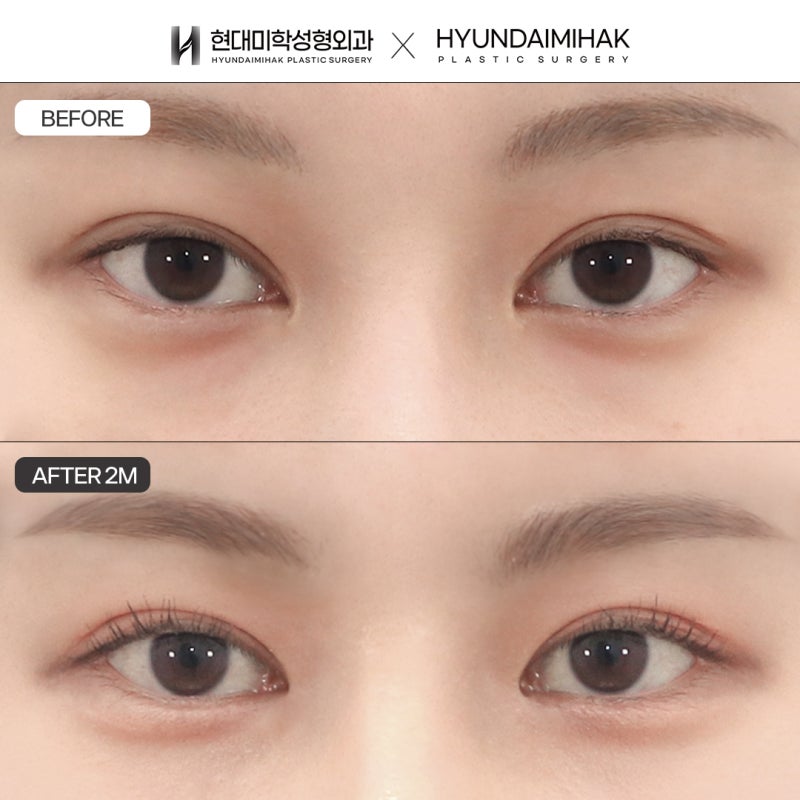
In cases where severe deformation of the inner corner makes it look hook-shaped, the amount of lacrimal caruncle exposure is a concern, but many patients also develop sanpaku eyes because the opening is directed downward. In such cases, it is advisable to improve the inner corner into a straighter shape through measurements based on the position and size proportions of the inner corner and the pupil, and to perform upper epicanthoplasty if necessary. There are also many different types of epicanthoplasty restoration performed after failed epicanthoplasty. Surgical methods for epicanthoplasty restoration include reverse skin redraping, double flap technique, V-Y flap technique, Z-plasty, and others, so a one-on-one consultation and diagnosis with a specialist is essential to determine which method is appropriate and suitable for your specific eye case.
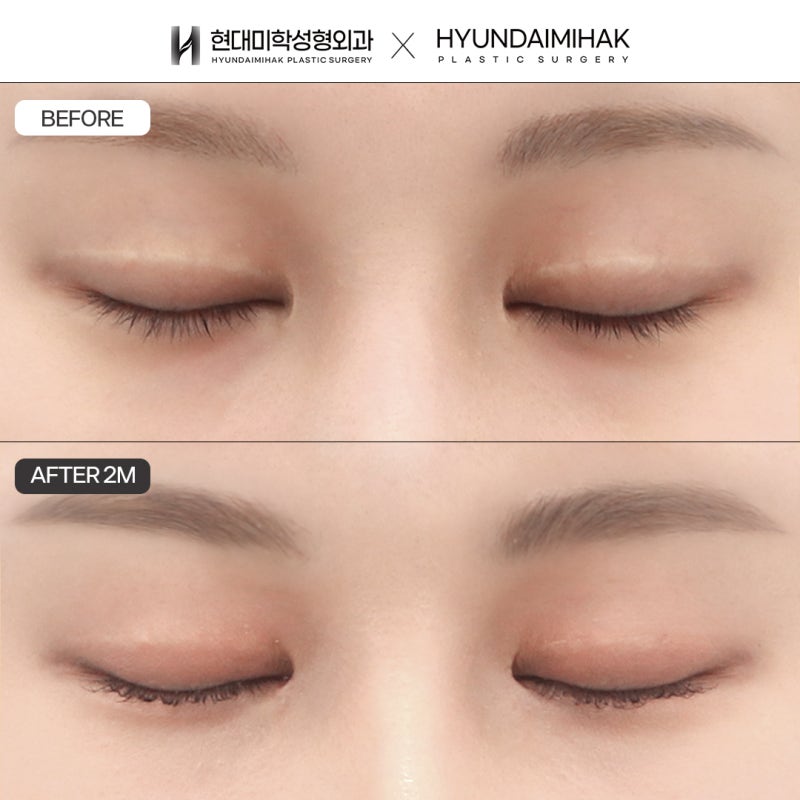
It is truly unfortunate when someone tries to improve a concern through plastic surgery but ends up suffering even more because of side effects. In such situations, rather than continuing to endure stress, it is better to quickly find an appropriate clinic and undergo epicanthoplasty reconstruction surgery. Epicanthoplasty is also known as a procedure that can have many side effects. Some people develop scars, and in some cases, red line-like marks may appear.
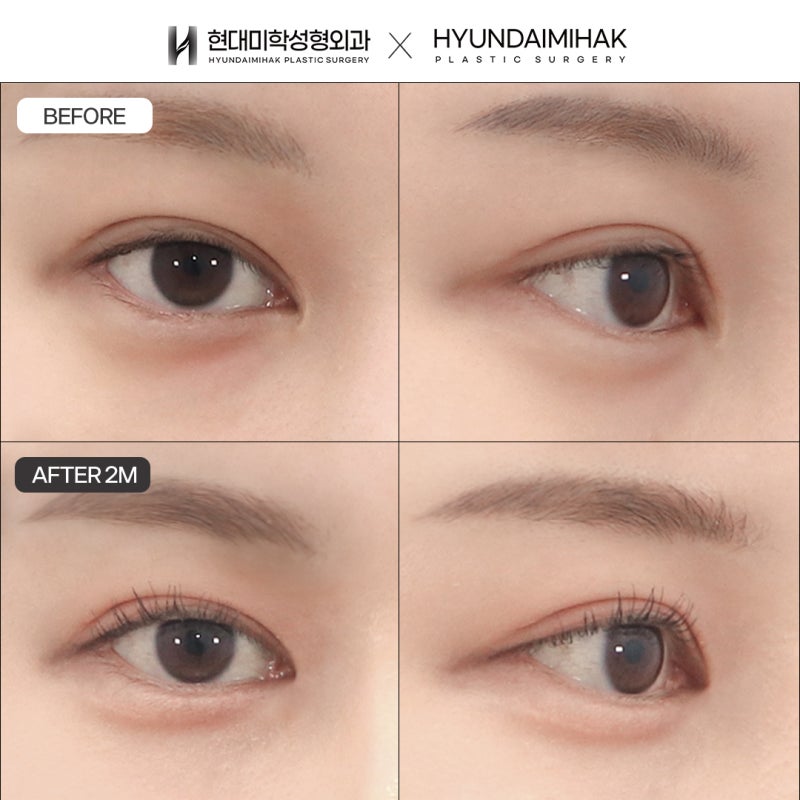
Apart from design issues, shape deformity, or scarring, if functional problems and side effects are also present, it would be advisable to look for an appropriate clinic for epicanthoplasty reconstruction surgery. To find the right clinic, it is best to visit several clinics, receive multiple consultations, gain a clearer understanding of your own eye shape, and entrust the reconstruction to a specialist who can consider the various issues involved. Rather than choosing a clinic simply because it is famous or has many reviews, we hope you compare each aspect carefully and achieve a successful result without recurrence or failure. Thank you.