Non-Implant Tip Plasty for a Slimmer, More Refined Nose Hyundai Aesthetic Surgery
Hello, this is Hyundai Aesthetic Surgery. As rhinoplasty has become more common and many people have undergone the procedure, there have been various side effects, as well as many changes and advances in surgical materials and techniques. Perhaps because of this, more people these days seem to be looking into non-implant rhinoplasty. Among these, the non-implant procedure we receive the most inquiries about is non-implant tip plasty. For those who would like to learn more, let us take a closer look.
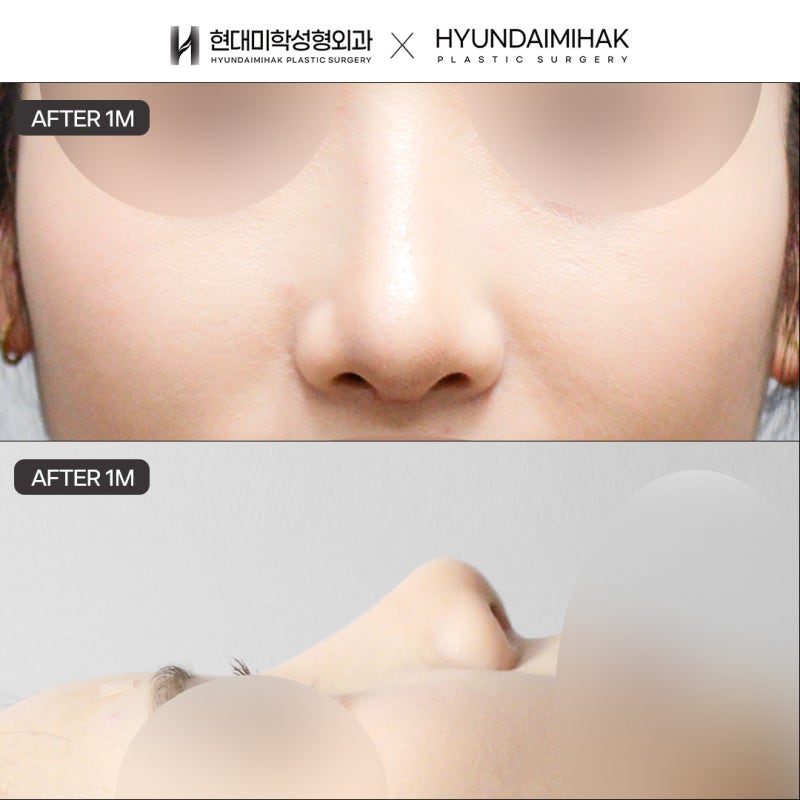
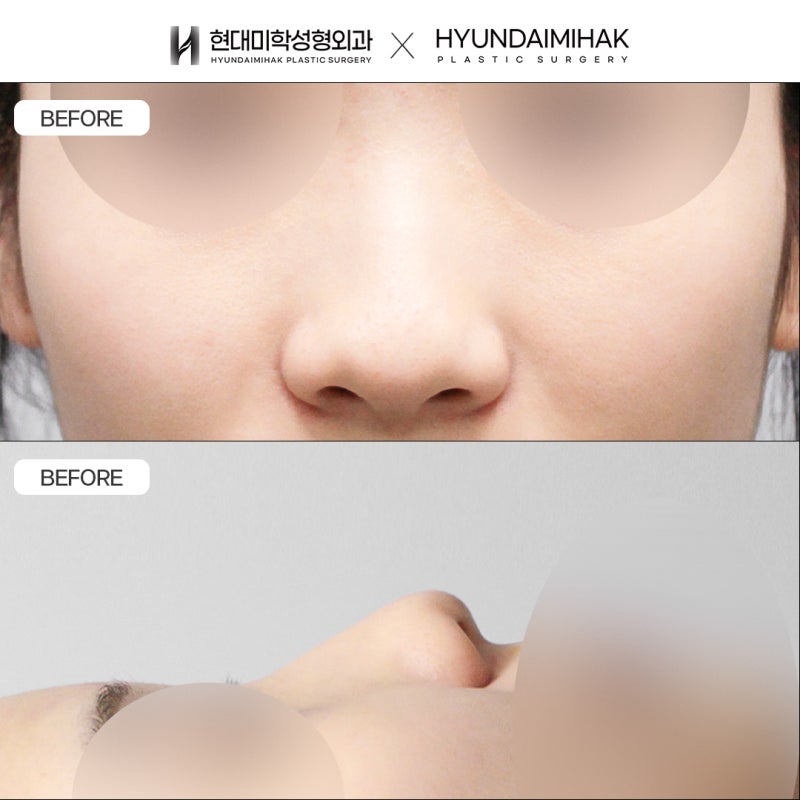
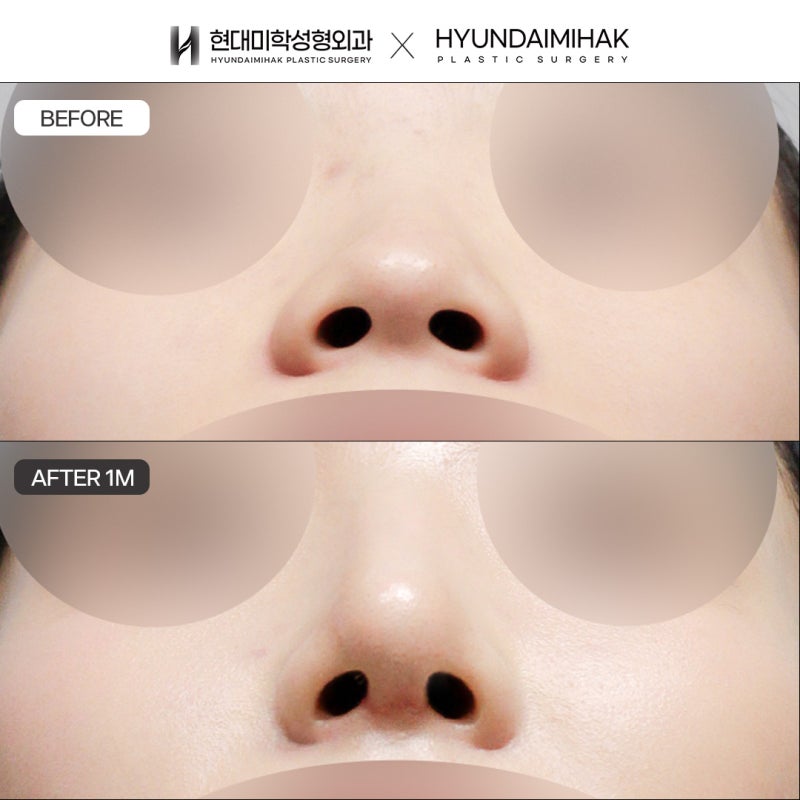
Non-implant tip plasty is known as a procedure that does not use artificial implants, but instead uses autologous materials to greatly reduce the likelihood of side effects. Through techniques such as nasal tip cartilage suturing and cartilage repositioning, the shape of the nasal tip can be adjusted with precision, resulting in a natural-looking nasal tip. Autologous materials include ear cartilage, septal cartilage, rib cartilage, autologous dermis, and fascia. These autologous tissue materials are used in non-implant rhinoplasty, and the exact materials to be grafted during surgery can be determined through consultation with a specialist.
Then, what cases are suitable for non-implant tip plasty? First, if the nasal bridge is sufficiently high but the nasal tip lacks height, this can be improved through non-implant tip plasty. It can also improve cases where the nasal tip appears wide or spread out. This method is also recommended for those who want to use only autologous tissue as rhinoplasty material, or for those who feel resistant to artificial materials such as silicone. If you value a natural result that does not look artificial, this approach may be suitable.
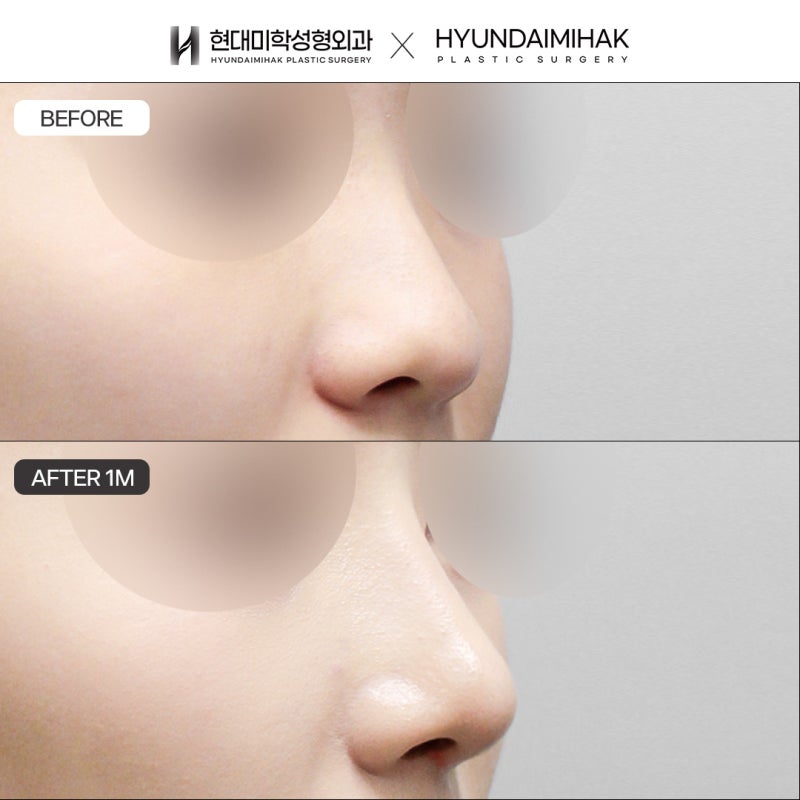
Many people are also curious about the advantages of surgery using autologous tissue. One of the main advantages of rhinoplasty using autologous tissue is that it causes less foreign-body sensation. Artificial implants may feel very noticeable if used in unsuitable cases or inserted incorrectly. In addition, artificial materials are not necessarily strong against external impact, so those concerned about these drawbacks may choose non-implant tip plasty.
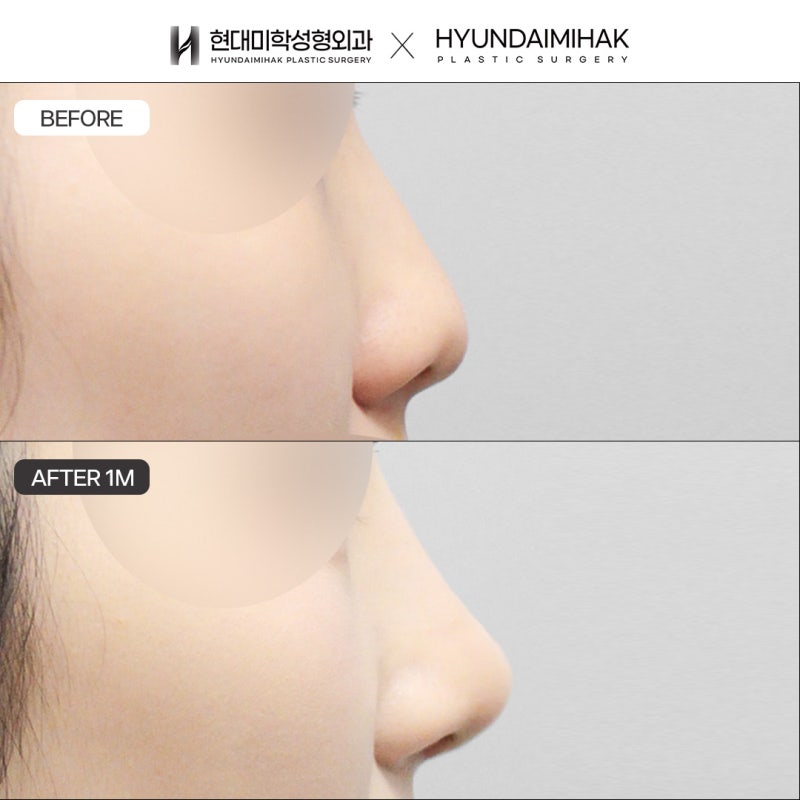
Non-implant tip plasty also makes it possible to achieve a natural rhinoplasty result without an artificial look, and because it can create harmony between the nasal bridge and nasal tip, it may be ideal for those who are concerned about a dramatic change in their impression. It is also more stable against external impact than artificial materials, making it a method with many advantages. If you are concerned about future inflammation or contracture, using these autologous materials can offer greater peace of mind.
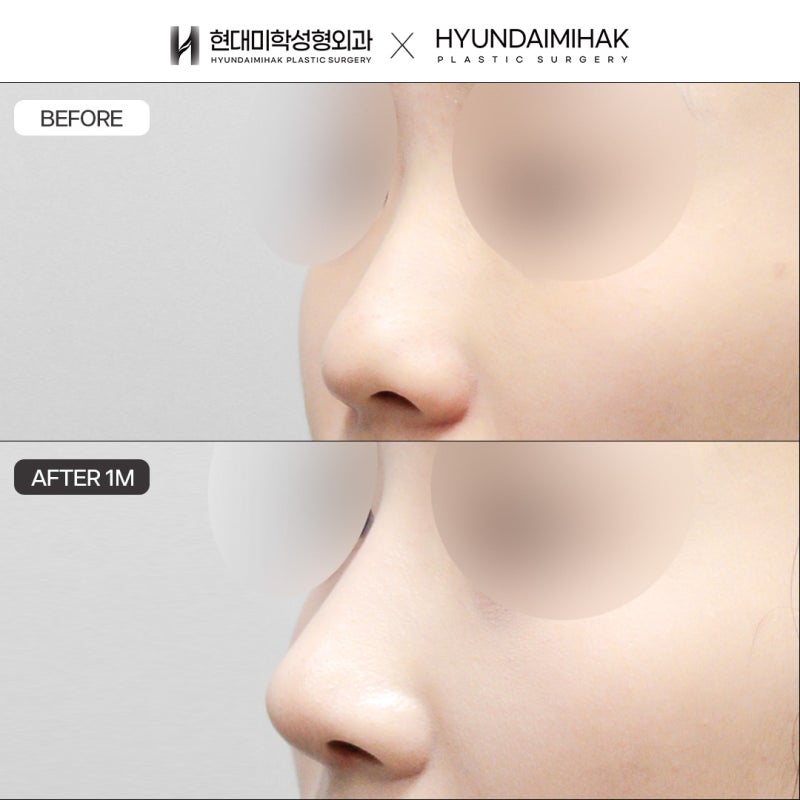
Although non-implant tip plasty has the advantages of using autologous materials and providing stability, it is still important to be careful when considering rhinoplasty. In particular, each person’s nose differs in anatomical structure, nasal bone width, symmetry issues, and septal condition, so surgery should be performed with these structures in mind to increase the likelihood of avoiding problems later on. We hope you will consider these characteristics carefully when planning rhinoplasty. Thank you.