Upper and lower abdominal liposuction, considering the waist and pelvic lines Hyundai Aesthetic Surgery
Hello, this is Hyundai Aesthetic Surgery. With growing interest in festivals and fashion these days, many people are looking into upper and lower abdominal liposuction and various procedures that address abdominal fat, and they often apply for related events or send us inquiries. Some also visit the clinic to receive prescriptions for diet medication. While diet medication can help with a certain amount of weight loss, depending on the individual and their constitution, it may not always be the most suitable method, and depending on the ingredients, it may be difficult to effectively reduce abdominal fat.
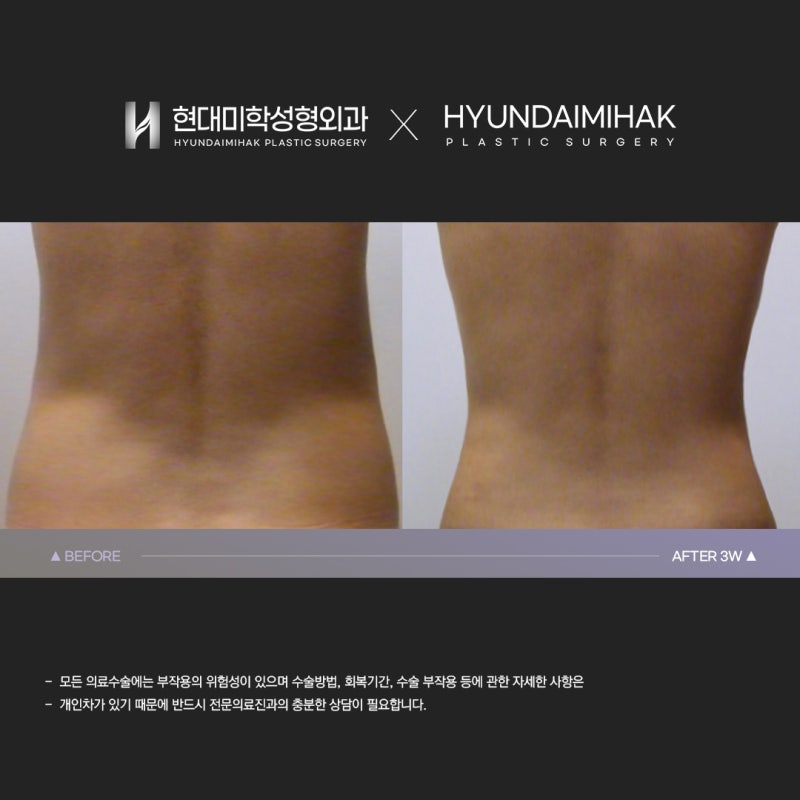
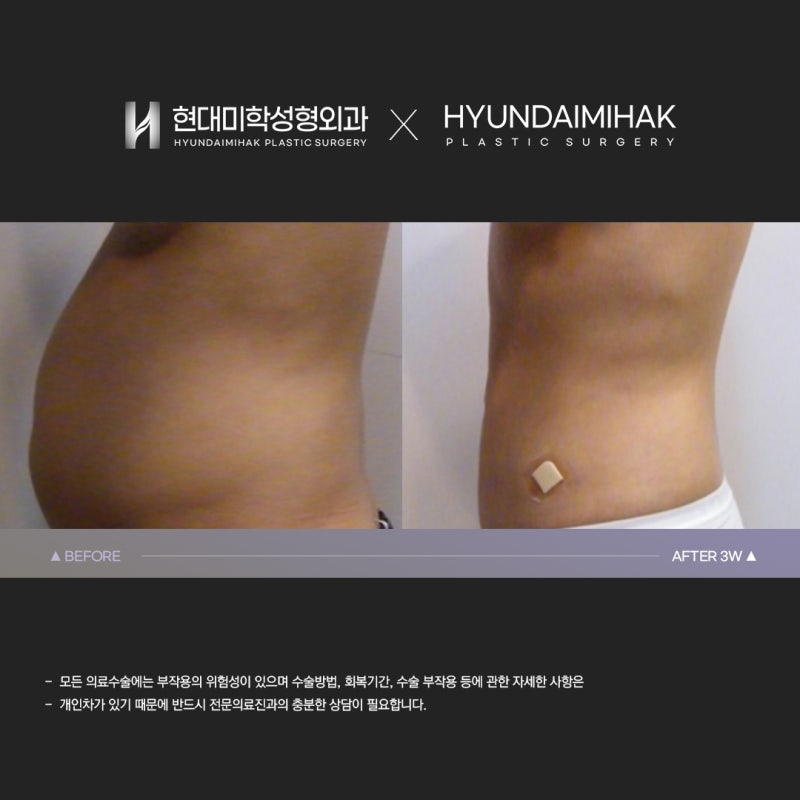
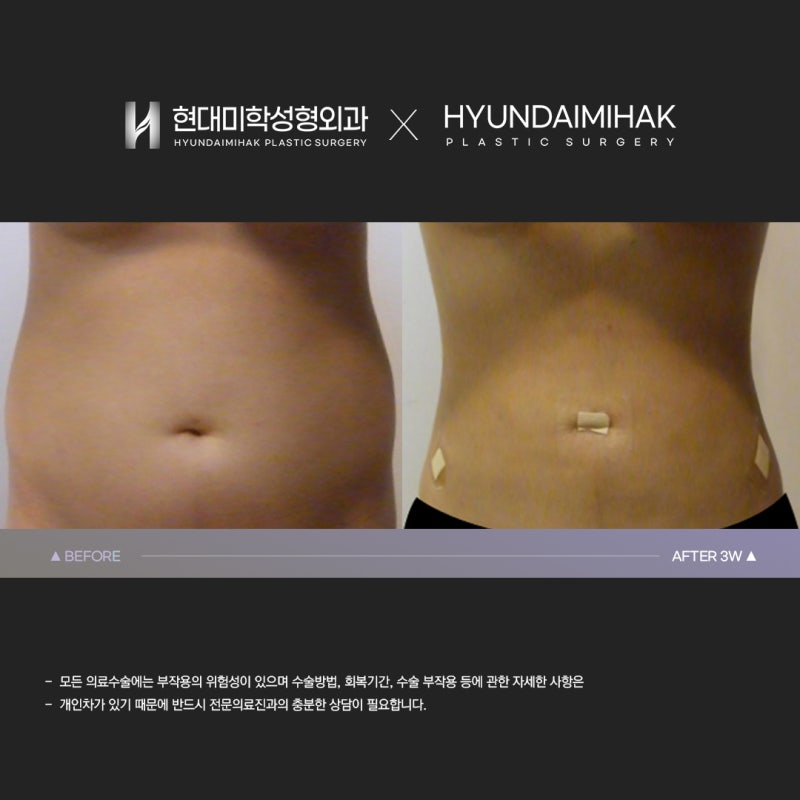
So today, we would like to discuss this topic using a case in which weight reduction was successfully achieved through upper and lower abdominal liposuction. First, to explain the distinction between the upper and lower abdomen in an easy-to-understand way, the area corresponding to the upper belly is called the upper abdomen, and the area corresponding to the lower belly is called the lower abdomen. The area below the breasts is referred to as the thoracoabdominal area. Therefore, when a large amount of fat is accumulated in the lower belly, only lower abdominal liposuction may be performed, while if there is a significant amount of fat in both the lower and upper belly, upper and lower abdominal liposuction may be performed.
However, because upper and lower abdominal liposuction involves inserting a cannula through tiny incisions made directly in the body to suction out fat, scars caused by friction or incision marks may remain longer than the expected recovery period. Therefore, it is important to choose a hospital carefully when considering upper and lower abdominal liposuction. In particular, as this is a surgery performed under general anesthesia, it cannot be assumed to be completely safe under all circumstances, so it is certainly a procedure that requires special caution.
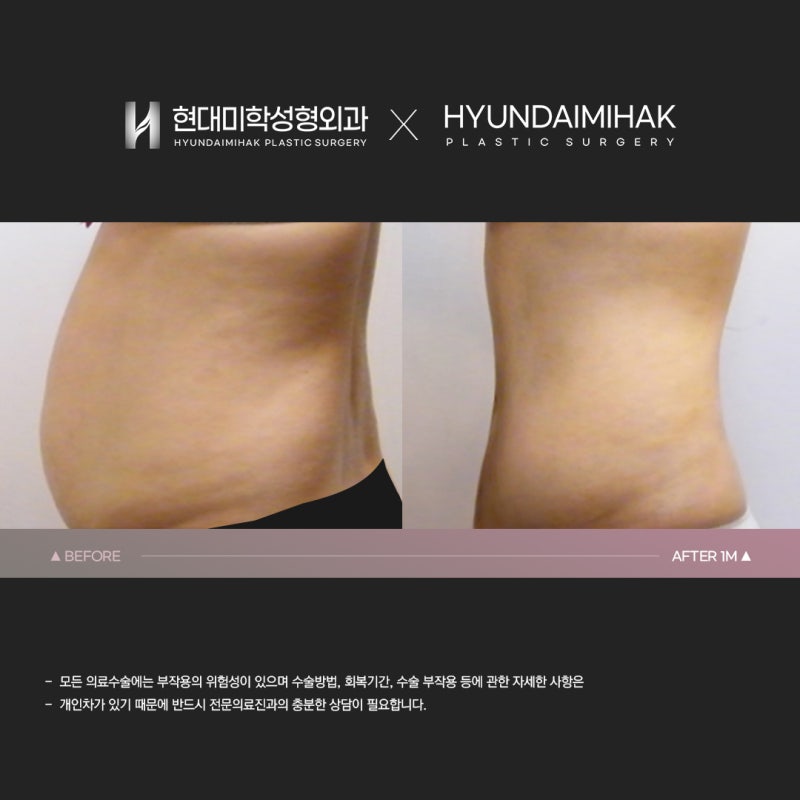
In addition, if upper and lower abdominal liposuction is a revision surgery, the level of difficulty increases. It is necessary to consider various issues such as fibrosis or calcification caused by problems during the recovery process after previous upper and lower abdominal liposuction, tissues adhered from past surgery, other scars, and additional concerns. Therefore, when first looking into surgery, it is advisable to make a careful decision after identifying in advance whether there are any unsuitable conditions for upper and lower abdominal liposuction and what side effects may be expected, through accurate consultation, InBody analysis, ultrasound examination, and other objective, quantifiable tests.
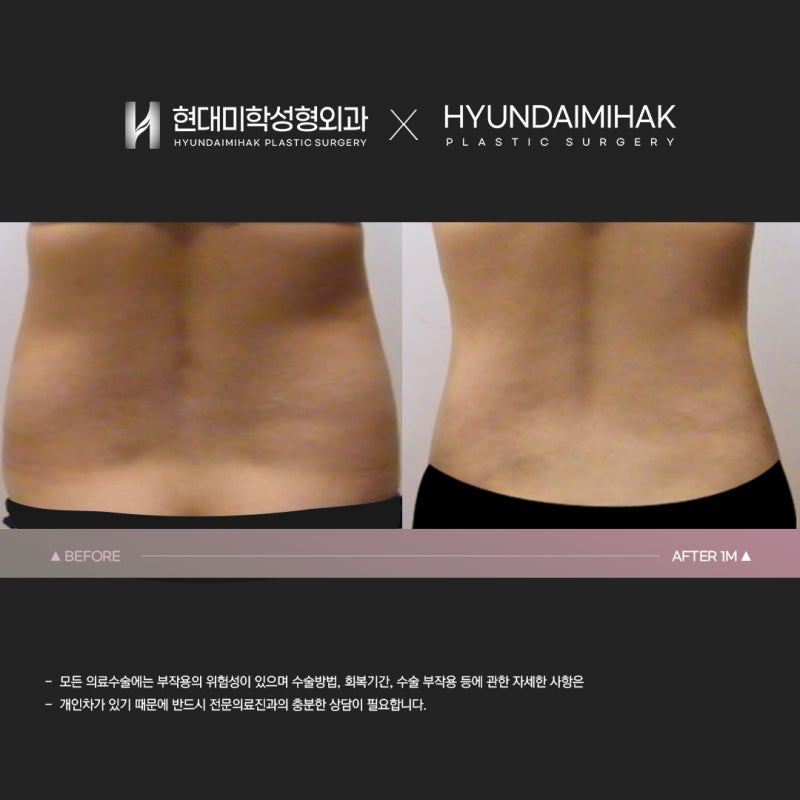
Also, when researching hospitals, it is important to review cases of upper and lower abdominal liposuction and check whether the procedure was performed with a delicate design that considered the waist, pelvis, and overall body shape. In particular, if the medical team is inexperienced during the liposuction process, the results may include asymmetry between both sides or an outcome that does not properly consider the body’s natural lines. This is why we would like to emphasize the importance of carefully comparing clinics in person.
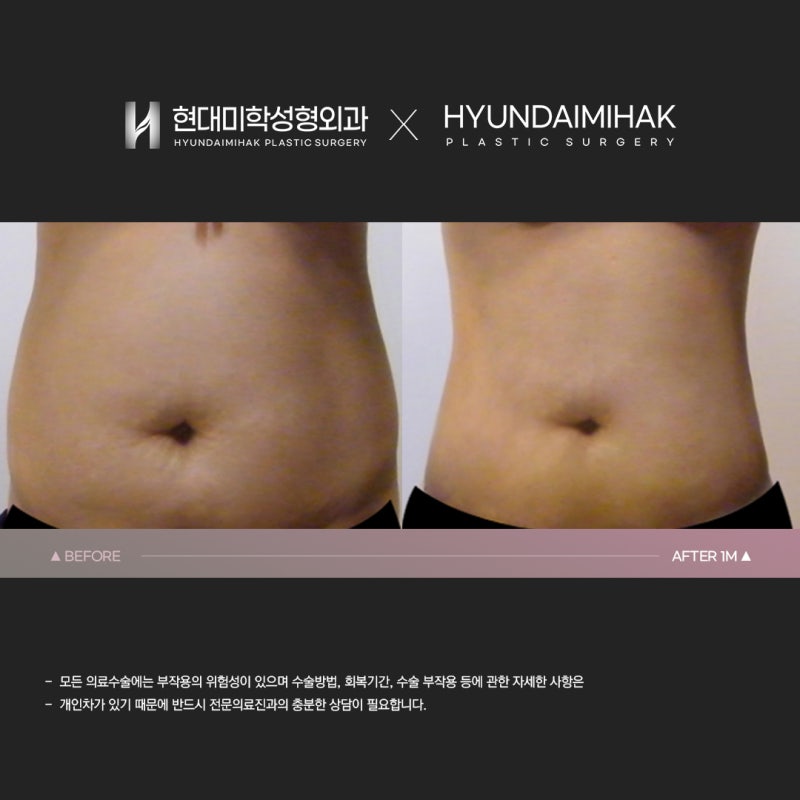
Many people are also curious about the incision sites and the maximum amount of fat that can be removed during upper and lower abdominal liposuction. For upper and lower abdominal liposuction, tiny incisions are typically made inside the panty line or around the navel, selecting areas that are not noticeable when wearing underwear or a bikini. However, the incision sites and number of incisions may vary by hospital, and the maximum amount of fat that can be suctioned depends on each person’s physical condition. If you would like detailed information, we would appreciate it if you visit the clinic for a consultation.