Male Epicanthoplasty Revision for Sharp-Looking Hooked Inner Eye Corners Hyundai Aesthetic Surgery
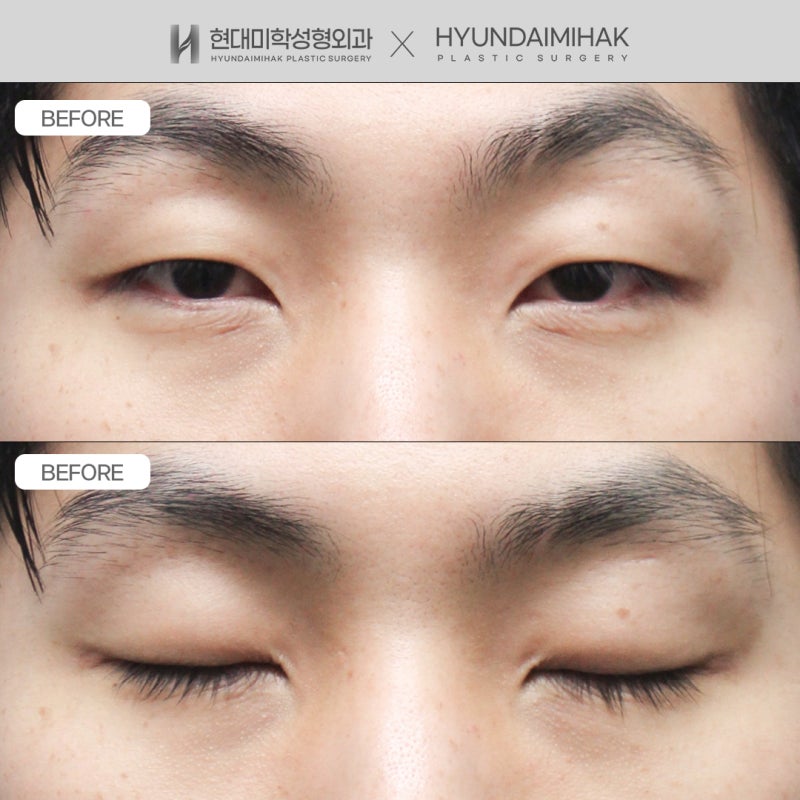
Hello, this is Hyundai Aesthetic Surgery. As demand for eye surgery among men continues to rise, not only double-eyelid surgery but also canthoplasty has become one of the procedures many people are interested in. If double-eyelid surgery, which helps small eyes look larger, gives the impression of increasing the vertical height of the eyes, canthoplasty can create a more open look by extending the horizontal width of the eyes. However, when medial epicanthoplasty is performed incorrectly, the inner corners of the eyes can appear sharp and unnatural, leading many people to look for information about male epicanthoplasty revision. For those patients, we have organized some key information about male epicanthoplasty revision.
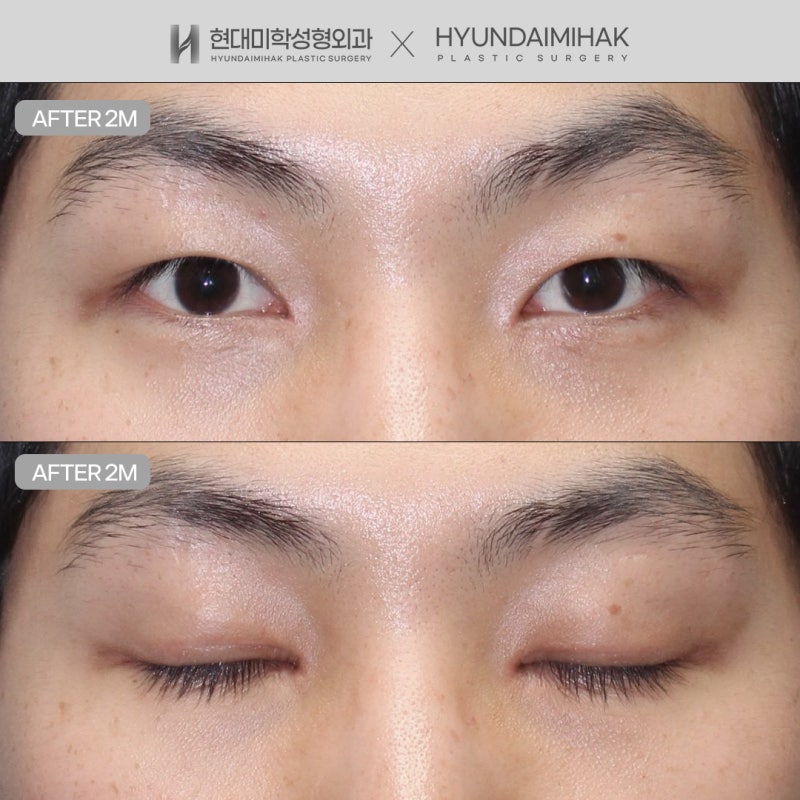
Among the various reasons people seek male epicanthoplasty revision after medial epicanthoplasty, the most common is a problem caused by deformation of the inner eye corners. Many people undergo medial epicanthoplasty expecting a more open-looking eye shape. However, some proceed with the surgery even when it is not suitable for them. If medial epicanthoplasty is performed on someone who is not an appropriate candidate, even a subtle 1 mm difference can change the overall impression. In particular, even a slight difference in medial epicanthoplasty can make the eyes look sharp or too close together, and artificial-looking scars often lead patients to seek male epicanthoplasty revision. In addition, if an excessive medial epicanthoplasty design or procedure exposes the lacrimal caruncle near the inner corner of the eye, the eye shape can look very unnatural.
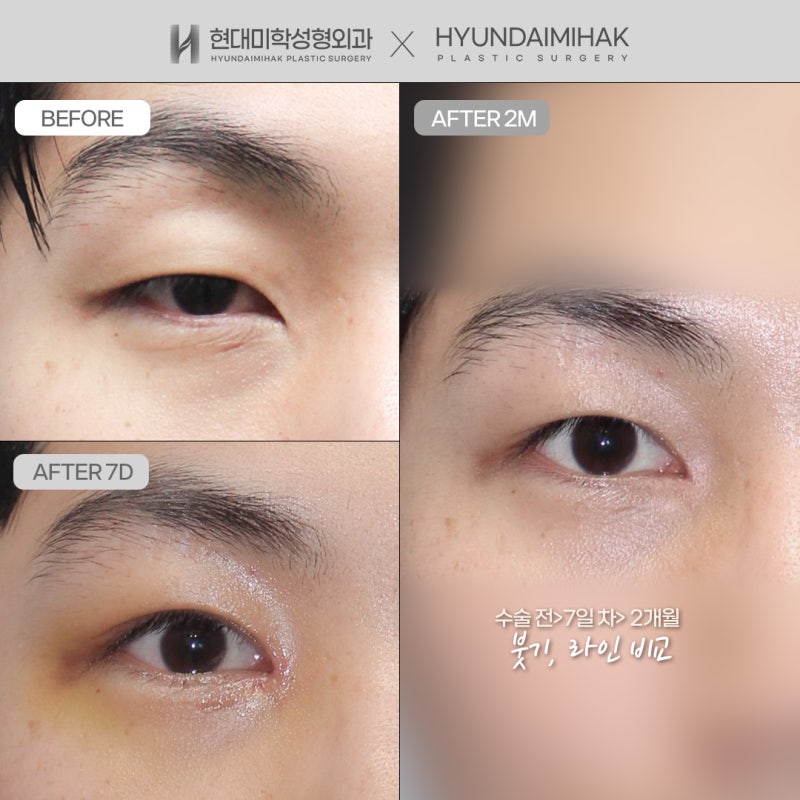
Among these issues, deformation of the inner eye corner, scarring, and exposure of the lacrimal caruncle are some of the most important reasons for undergoing male epicanthoplasty revision. In general, when a procedure is performed to make the inner corners of the eyes look more open, the inner space of the eye becomes more visibly exposed. This can make the surgery noticeable and give an overly intense appearance. To reduce these risks, a meticulous design that suits each person’s eye shape and muscles is needed, and medial epicanthoplasty should be performed with consideration of the skin layers, ligaments, muscles, and other eye structures in order to achieve a natural result without failure.
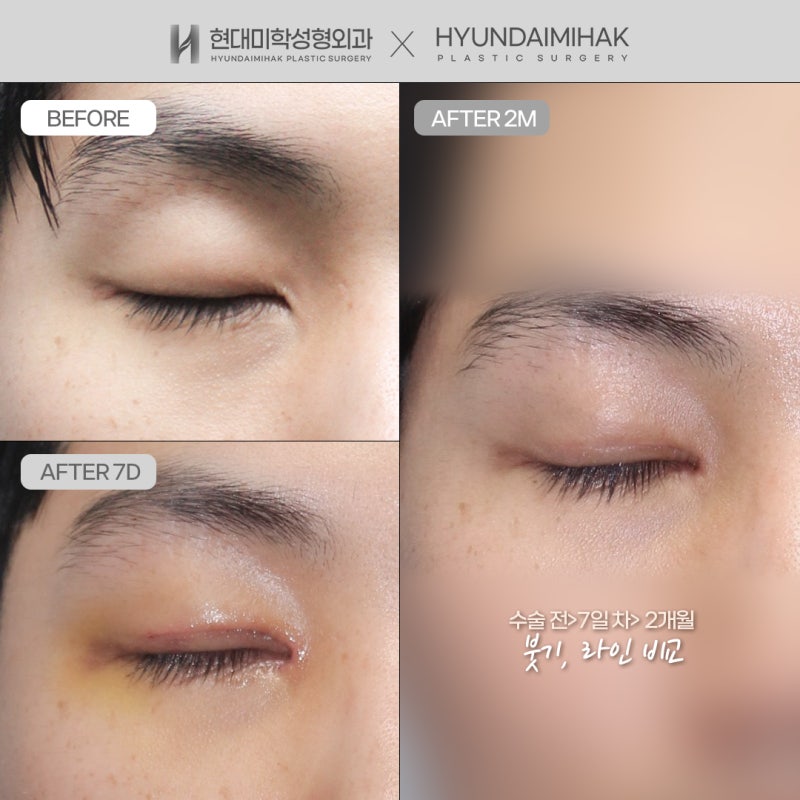
If part of the eye tissue is damaged due to canthoplasty or ectropion occurs, epicanthoplasty revision can become much more difficult, or it may become hard to restore the original eye shape. Therefore, when considering male epicanthoplasty revision, it is advisable to choose medical professionals with broad experience and diverse clinical expertise. If you wish to undergo male epicanthoplasty revision as soon as possible, it is also important to carefully consider the timing of surgery.
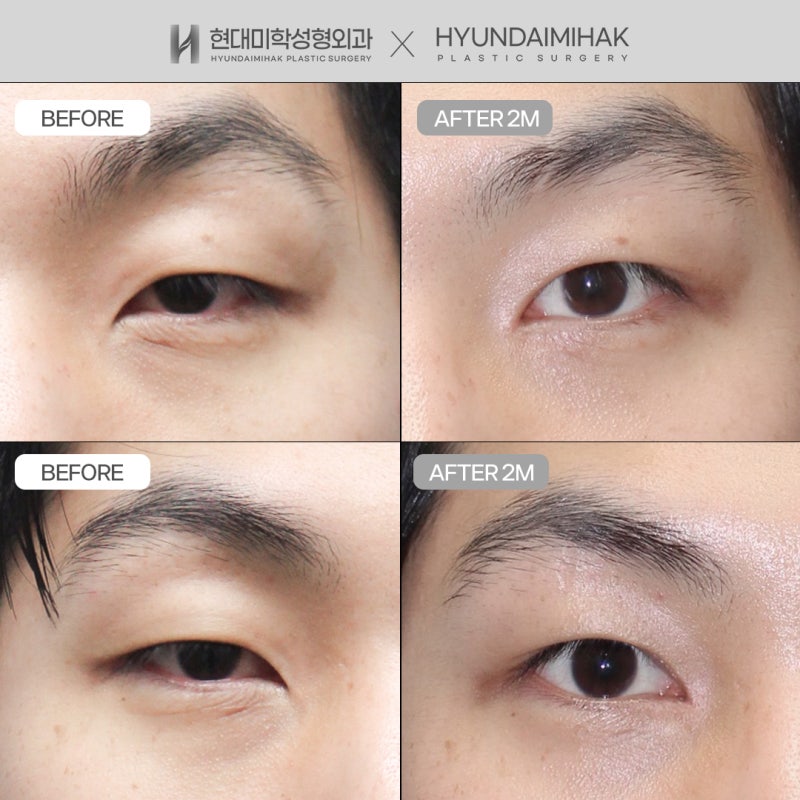
One thing you should know when undergoing male epicanthoplasty revision is that it is generally appropriate to proceed with reconstruction after a sufficient recovery period of about 6 months to 1 year following the previous surgery. Because the timing and plan may vary depending on how much tissue remains and the degree of tension, if you are considering male epicanthoplasty revision, it is important to first receive an accurate consultation with medical professionals and then establish a detailed plan. If you have any questions, please feel free to visit our clinic for consultation at any time.