Effective for short horizontal eye length: before and after posterior canthoplasty
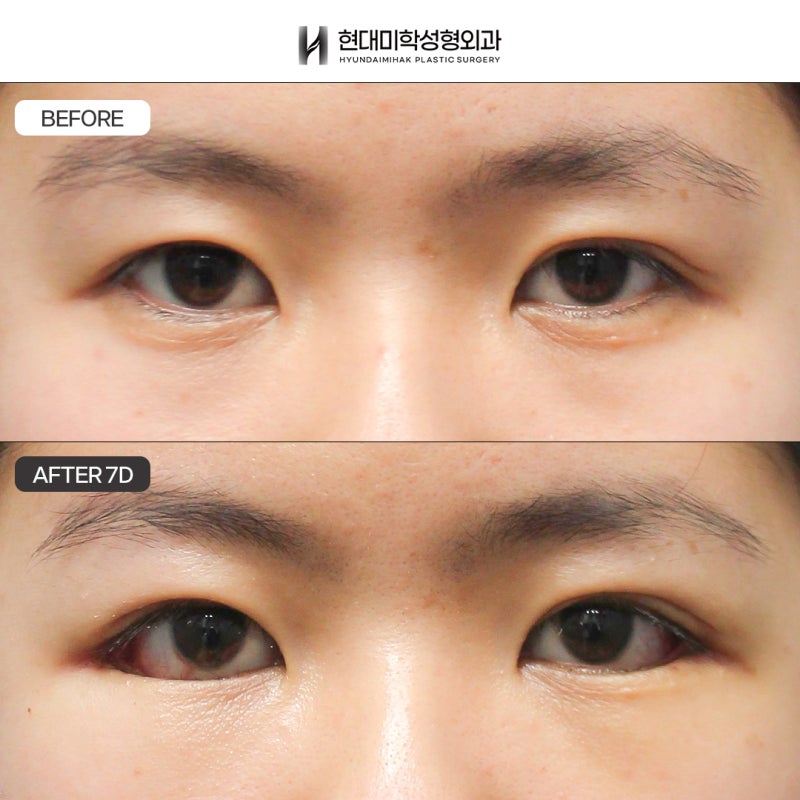
Hello, this is Hyundai Aesthetic Surgery. Among those looking into eye surgery, the procedure we receive the most inquiries about after double-eyelid surgery is canthoplasty. Canthoplasty opens up small, tight-looking eyes and creates a larger, clearer-looking eye shape, making it one of the most preferred procedures, much like double-eyelid surgery. In particular, there is strong interest in posterior canthoplasty among the different canthoplasty areas. Even with makeup, the before-and-after difference of posterior canthoplasty is clearly noticeable, as it helps create a refreshed eye shape that looks longer horizontally. For this reason, it is often performed by people with sharp, fierce-looking outer eye corners or short, narrow-looking eyes.
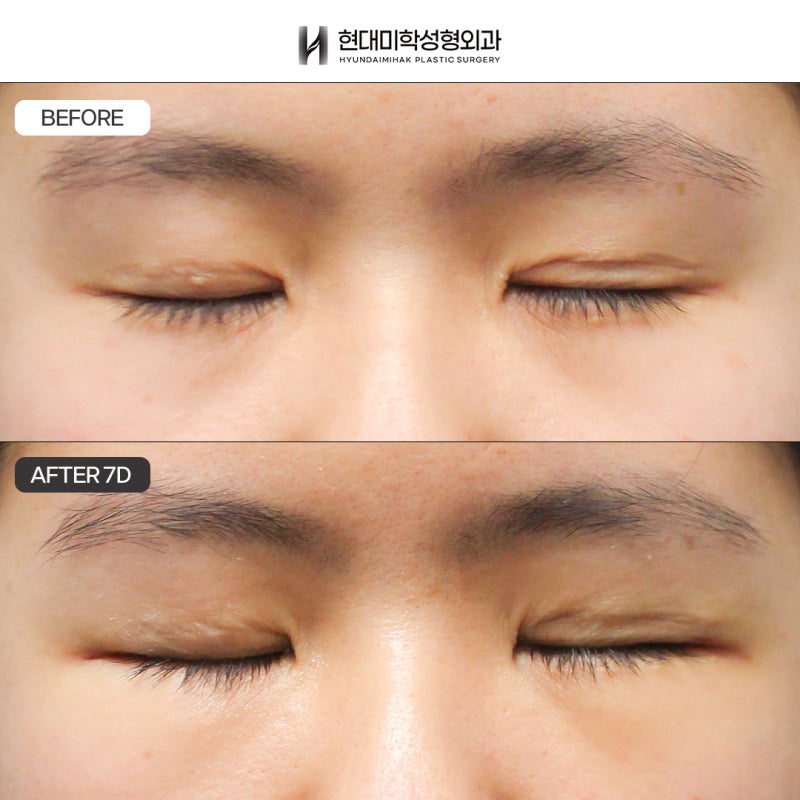
For those with upturned outer eye corners, many look at reviews of dual canthoplasty, which combines posterior canthoplasty and lower canthoplasty, rather than posterior canthoplasty before-and-after photos alone, and then contact us for a consultation. When posterior canthoplasty and lower canthoplasty are performed together in this way, the angle of the outer eye corner can be adjusted, allowing the upturned corner to be lowered and improving a fierce-looking eye shape into a softer, puppy-like eye shape. In addition, by expanding the space at the lateral canthus, it can improve the size and length of small, tight-looking eyes and help correct short, narrow-looking eyes, making it a good solution if you are dissatisfied with the size of your eyes.
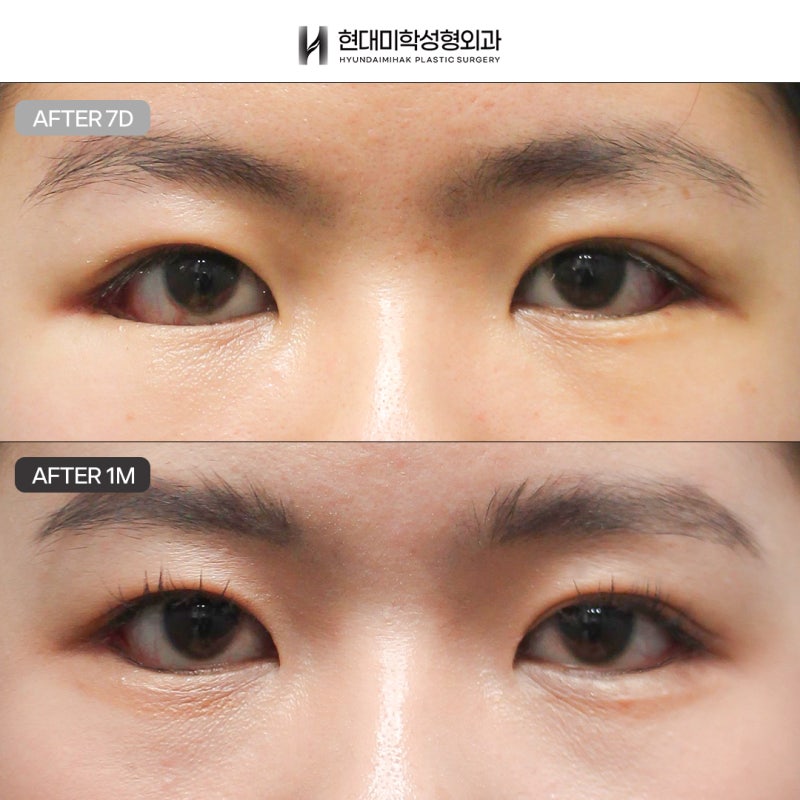
However, if you decide on surgery simply by looking at posterior canthoplasty before-and-after results, you may overlook many important factors. First, in procedures that combine posterior canthoplasty and lower canthoplasty, the specialist’s aesthetic sense and technical skill are extremely important. Since the outcome can vary greatly depending on where the lateral canthal ligament is repositioned and where it is fixed, it is important to refer to posterior canthoplasty before-and-after cases and understand how different clinics perform the procedure.
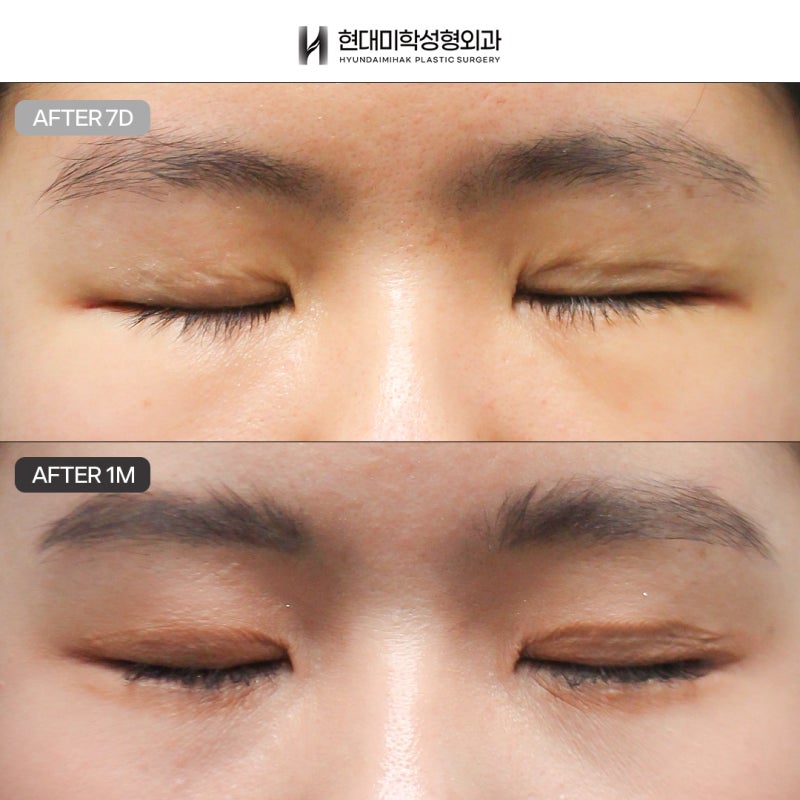
Also, if there is not enough space available for opening, posterior canthoplasty and lower canthoplasty may not be possible at all, or the effect may be minimal even if surgery is performed, so this must be carefully assessed through consultation. These canthoplasty procedures are known to be difficult to achieve satisfactory results with unless the surgeon has extensive experience and sufficient expertise. Posterior canthoplasty and lower canthoplasty also carry potential side effects, so it is important to decide carefully and complete the procedure without complication-related issues.
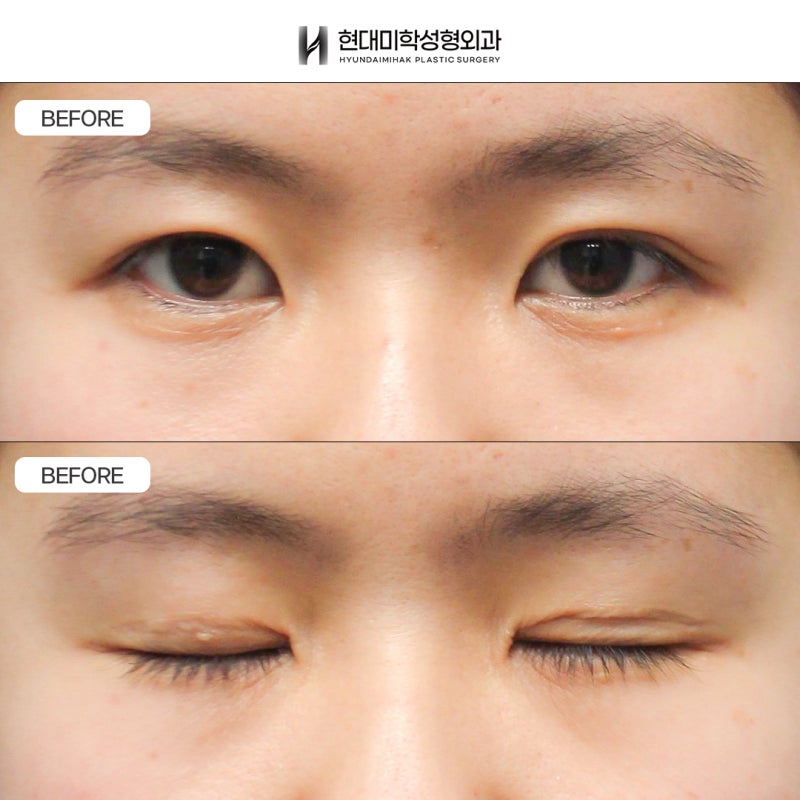
Some people may have expected a beautiful eye shape like the posterior canthoplasty before-and-after results, but find that the posterior canthoplasty has reattached, leaving little effect or recurring, and begin looking into revision surgery. Lack of effect may be only a minor issue compared with other problems, as there are also many cases where patients seek reconstructive surgery due to severe shape deformity, scarring, or functional problems after posterior canthoplasty. Therefore, all surgeries should be decided carefully through detailed diagnosis and consultation.
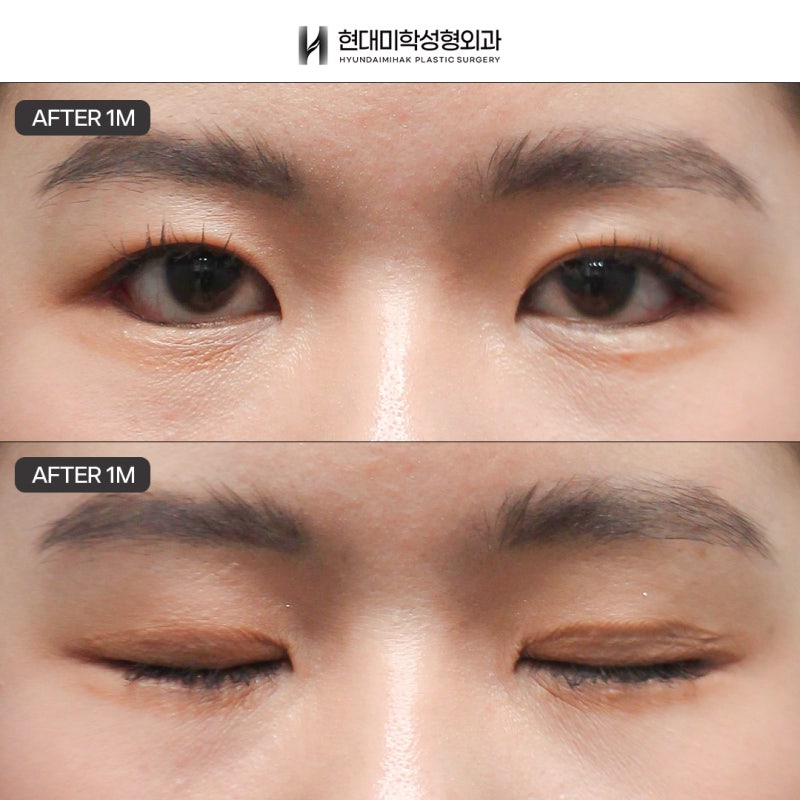
In particular, posterior canthoplasty should be performed while preserving and protecting the lateral canthal ligament as much as possible. This lateral canthal ligament supports the eyelid, so if it is damaged, both aesthetic and functional defects may occur, requiring careful consideration before deciding on any procedure. We hope you choose only the procedure suited to your own eye shape, whether posterior canthoplasty for short horizontal eye length or lower canthoplasty for fierce-looking outer eye corners, and achieve the results you want. Thank you.