When Double Eyelid Asymmetry or Uneven Eyes Need Correction
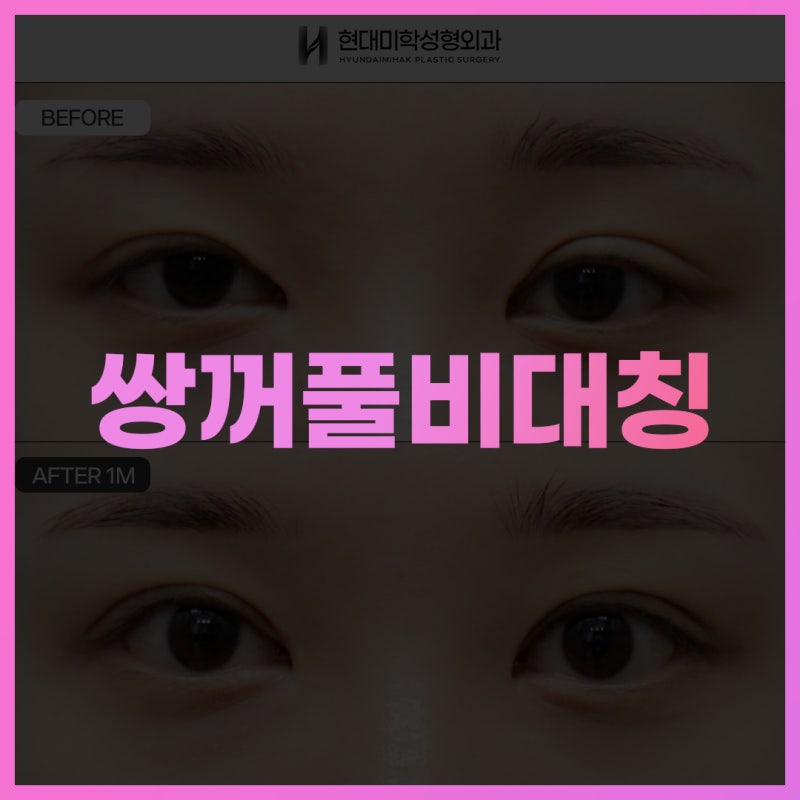
Hello, this is Hyundai Aesthetic Surgery. Asymmetry after double eyelid surgery is one of the concerns many patients experience. Even after undergoing surgery to create an attractive double eyelid line, the left and right double eyelids may not match in size, making the eyes appear uneven. This type of asymmetry-related side effect may resolve naturally over time after surgery, but it is important to accurately understand its causes and solutions.
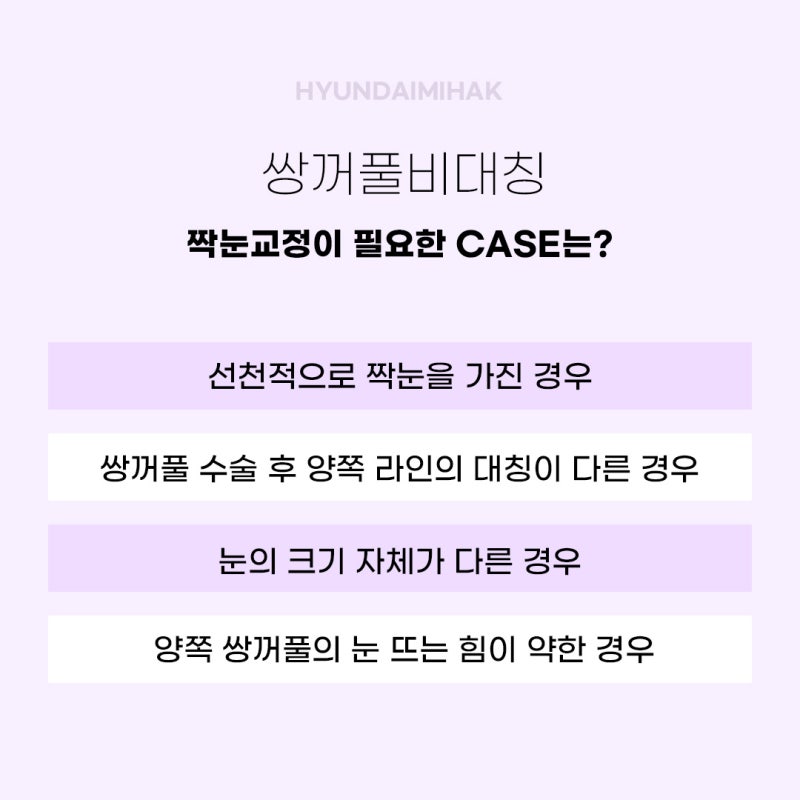
What is the biggest cause of double eyelid asymmetry? First, there is natural facial asymmetry. Because the human face is not perfectly symmetrical, the size or shape of the eyes, the position of the outer corners, and skin thickness may differ between the left and right sides. Most people have this natural asymmetry, but after double eyelid surgery, the difference may become more noticeable. Second, differences in eye-opening strength can also cause asymmetry. Eye-opening strength may vary between the left and right sides due to differences in the levator palpebrae superioris muscle, which opens the eyelid. If this difference in strength is significant, it can affect the double eyelid line as well. Third, differences in eyeball protrusion or bone asymmetry are also important factors. If one eye protrudes more than the other, or if there are structural differences in the facial bones, the double eyelid line may be affected. In addition, asymmetry of facial tissues can also influence the results of double eyelid surgery.
To perform double eyelid surgery successfully, careful planning is needed from the preoperative design stage. The most important point is to accurately identify the differences between both eyes and apply a customized design that reflects them. For example, if the two eyes differ in size or shape, a natural result can be achieved by designing each eye appropriately rather than simply applying a symmetrical design. Many people try to match the left and right sides to the same height and thickness when undergoing double eyelid surgery, but this approach may actually make preexisting asymmetry more noticeable. Differences in eye size, the height of the outer corners, and skin thickness should be considered, and a suitable design should be applied to each eye. This makes it possible to create a natural and balanced double eyelid line.
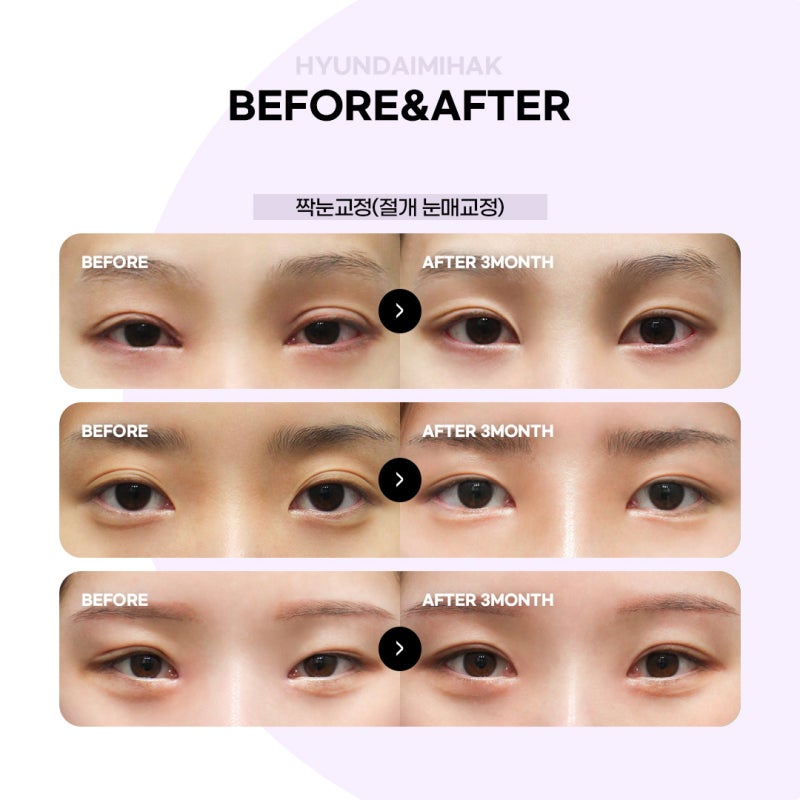
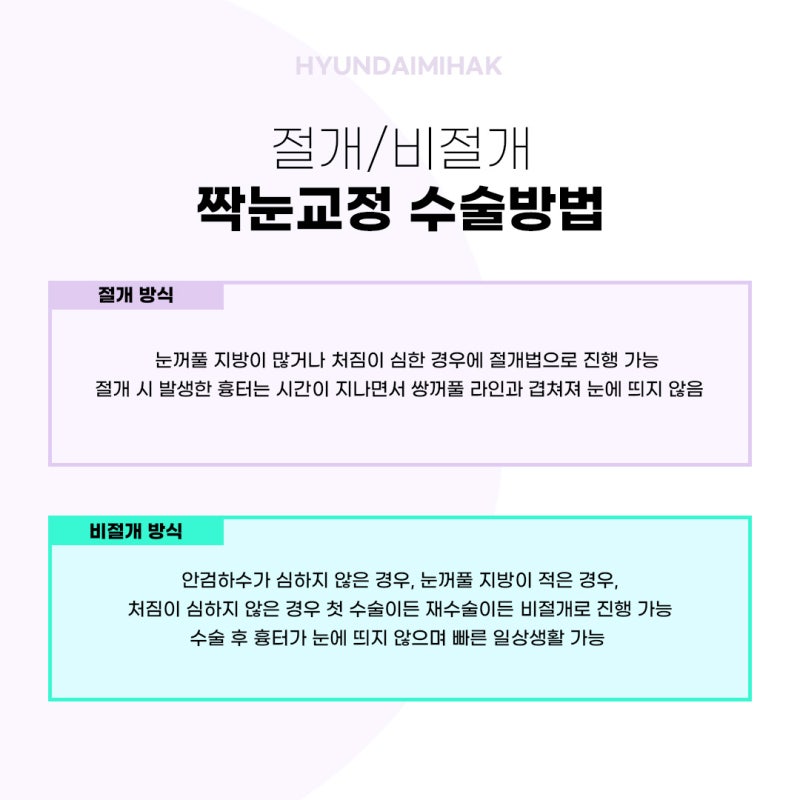
There are various methods for double eyelid surgery, including the natural adhesion method, incisional method, and non-incisional suture method. The choice of method varies depending on the condition of the eyes, and each plays an important role in correcting asymmetry. The natural adhesion method creates tiny openings in the eyelid and uses sutures to fix the tissue, inducing adhesion of the patient’s own tissue. This method can create a stable double eyelid with a lower chance of loosening, but if the eyelids are thick, the line may loosen. The incisional method involves making an incision in the eyelid skin and fixing it with sutures, and it is advantageous for thick eyelids or more complex tissues around the eyes. The incisional method can be especially effective when asymmetry is severe. The non-incisional suture method fixes the eyelid using sutures and is relatively simple, but if the eyelids are thick, there is a possibility that the double eyelid line may loosen. Because this can lead to asymmetry, it is important to choose the appropriate method according to the condition of the eyelids.
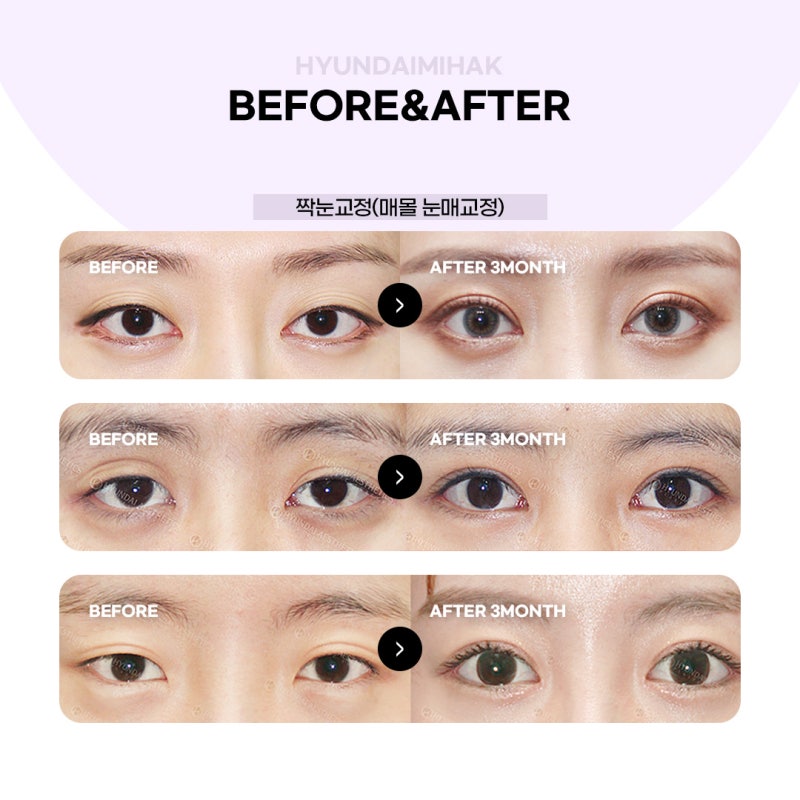
If asymmetry is severe after surgery, the problem can be resolved through revision surgery. The most common solution is to align the height of the double eyelid lines on both sides. This may involve removing a little more skin from the lower side to match the height, or adjusting the double eyelid lines of both eyes to an intermediate level. When considering revision surgery, it is important to remember that an appropriate customized design and surgical method should have been applied during the first surgery. If a surgical method suited to each individual’s eye condition is not selected, asymmetry may recur. After double eyelid surgery, swelling or imbalance may occur. Especially immediately after surgery, swelling or skin condition may appear different between the two eyes, so it may improve naturally over time. However, careful postoperative care is needed so that asymmetry does not appear too pronounced in the early stage.
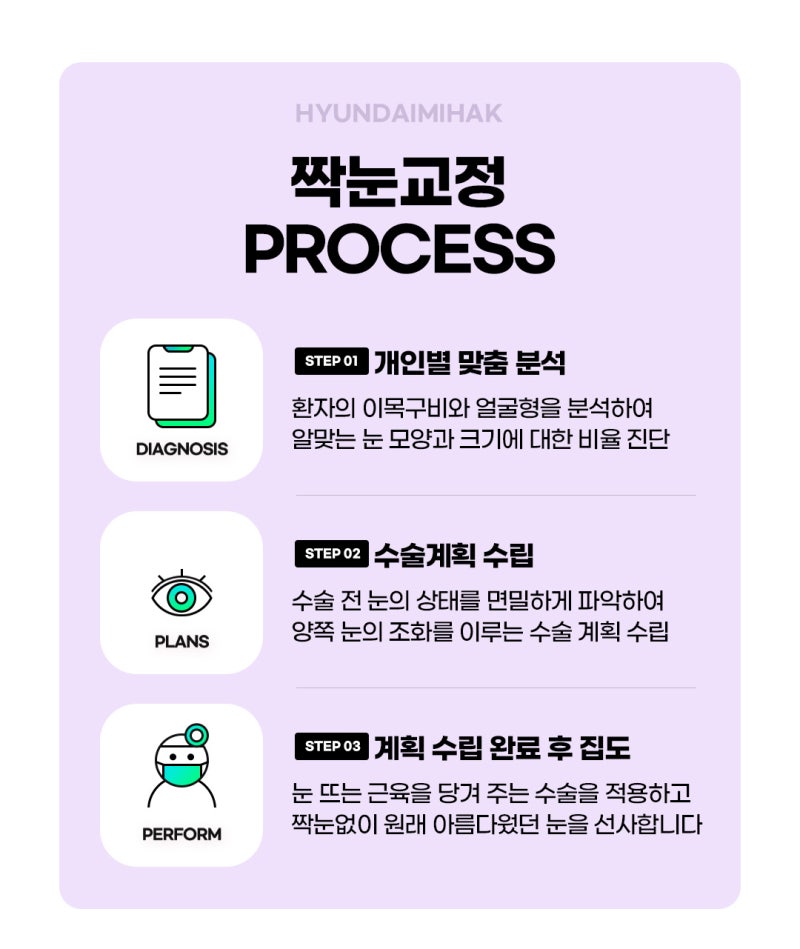
Preoperative consultation, accurate design, and consistent postoperative care must be combined to minimize double eyelid asymmetry and achieve satisfying results. Asymmetry in double eyelid surgery can be sufficiently corrected through meticulous design suited to each person’s facial structure and an appropriate surgical method. A customized approach tailored to each patient’s eyes is necessary, and when asymmetry is prevented in advance and thorough postoperative care is provided, a beautiful and natural double eyelid line can be created. This has been Hyundai Aesthetic Surgery. Thank you.