How to Create a Natural and Safe V-Line Without Cheekbone Reduction Surgery
Hello, this is Hyundai Aesthetic Surgery. Many people are concerned because a face shape with prominent cheekbones often gives a strong impression. Facial shape is determined not only by bone structure but also by the combination of muscle, fat, and skin layers, so having large cheekbones does not always mean surgery is necessary. Therefore, before considering cheekbone reduction, it is important to accurately analyze why your cheekbones appear prominent. In some cases, sufficient improvement is possible through non-surgical methods, and especially when there is a large amount of fat, a treatment that controls fat may be more effective for reducing the cheekbone area than directly altering the bone.
Cheekbone reduction surgery is performed by cutting the bone, so there is a possibility of damage to bone tissue after surgery, and side effects such as cheek sagging or malunion may occur. In addition, during the process of reducing the bone, skin elasticity may decrease, and the facial line may not settle as desired. To avoid these side effects, it is essential to first determine whether bone surgery is truly necessary. Rather than choosing surgery simply because the cheekbones look prominent, it is important to consider the overall facial structure. If fat control is more appropriate for reducing the cheekbone area, you may be able to see sufficient results without surgery.
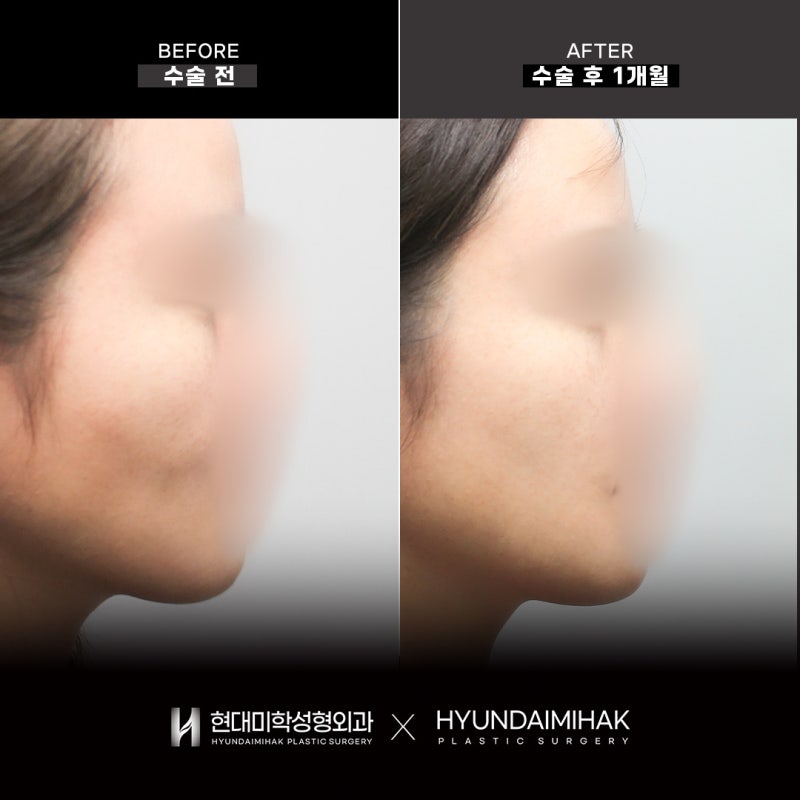
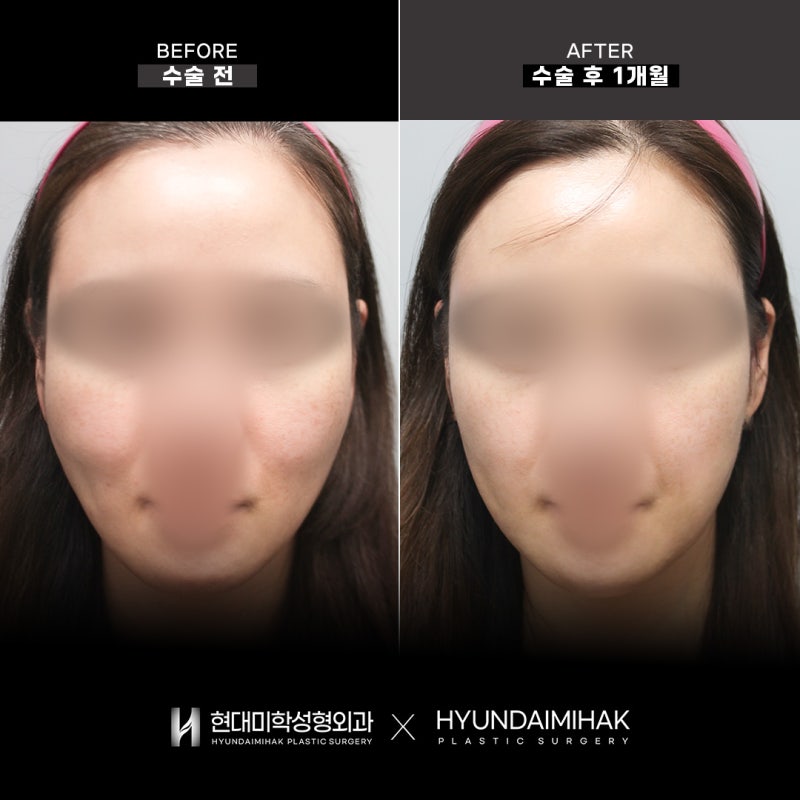
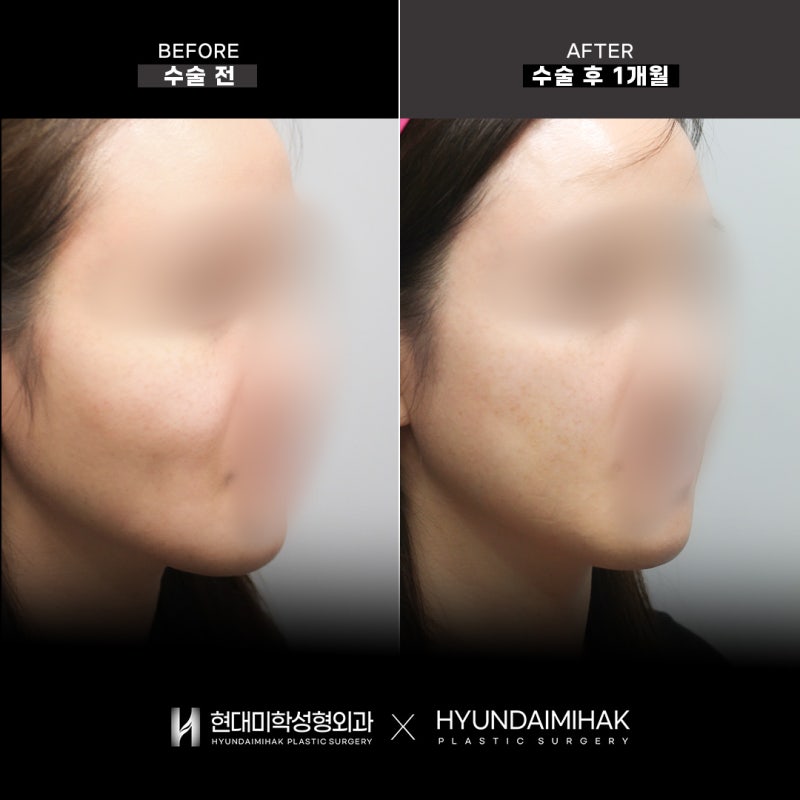
There is more fat in the cheekbone area than many people expect. Although it may not be as noticeable as the jawline or cheeks, depending on the individual, fat concentrated around the cheekbones can make the face look wider or give a stronger impression. In this case, reducing fat in the cheekbone area and improving elasticity can make the facial contours much softer and help refine the overall face shape. In particular, if the cheekbones appear prominent because there is a lot of fat in that area, you can expect a cheekbone-reducing effect simply by reducing the fat.
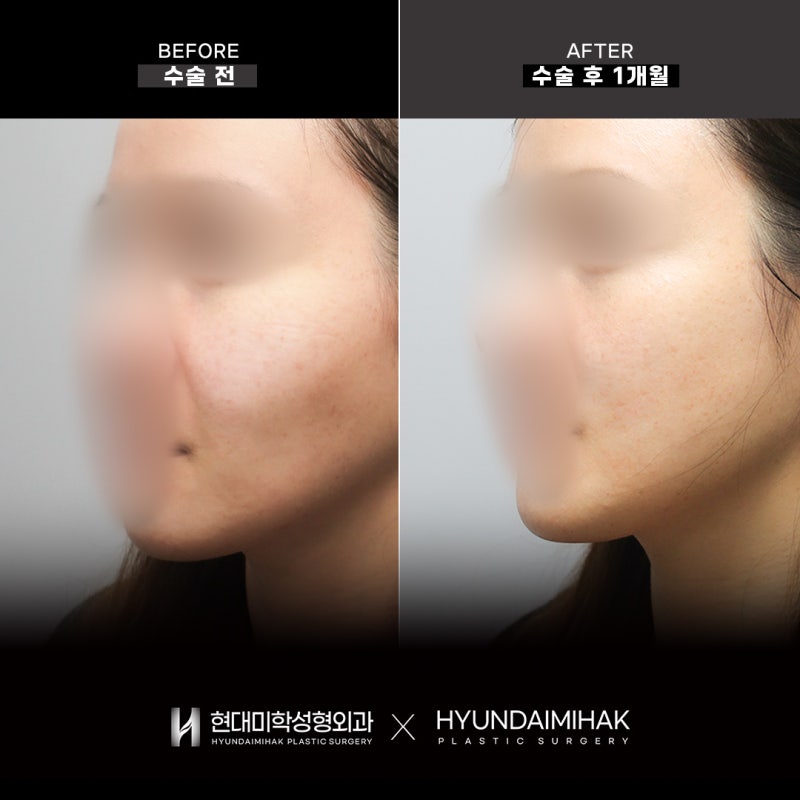
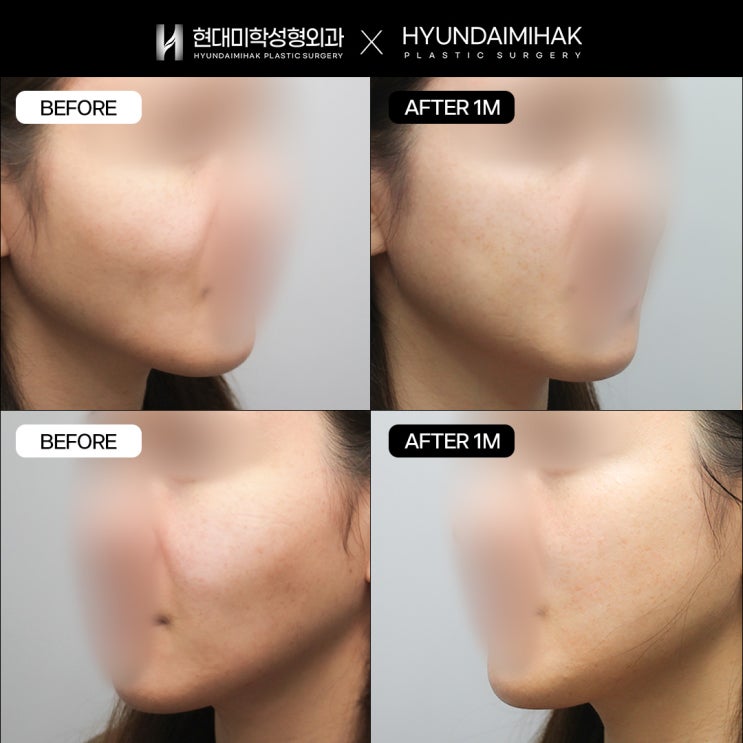
Cheekbone injections are a treatment based on this principle, designed to reduce cheekbone fat while adding firmness. They help refine the volume around the cheekbones by reducing unnecessary fat, while also improving skin elasticity to create a natural and soft contour. In addition, for areas that may become sunken as fat decreases, fillers and similar treatments can be used to restore appropriate volume, helping maintain facial balance. Unlike surgery, this process does not involve cutting the bone, so side effects such as skin sagging or malunion can be minimized, and the short recovery period allows a quick return to daily life. If you want to reduce the cheekbone area, this may be a method that can provide sufficient improvement without surgery.
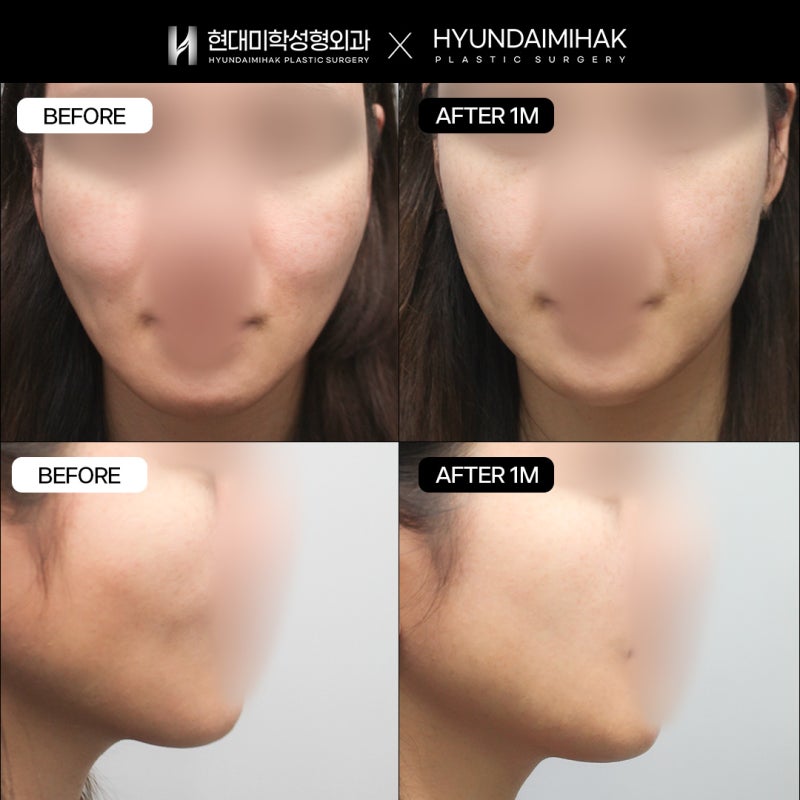
However, as with all procedures, the effect of cheekbone injections can vary depending on each person’s facial structure. If there is a lot of fat, the cheekbone volume can be reduced effectively, but if the muscle or skin layer is thick, additional treatments may be needed. Therefore, before considering the procedure, it is important to accurately analyze what type of face shape you have and plan a customized solution based on that analysis. Also, for a safe procedure, you should have a thorough consultation with experienced medical staff, and the procedure should be performed only after accurately assessing your individual condition to achieve the desired results.
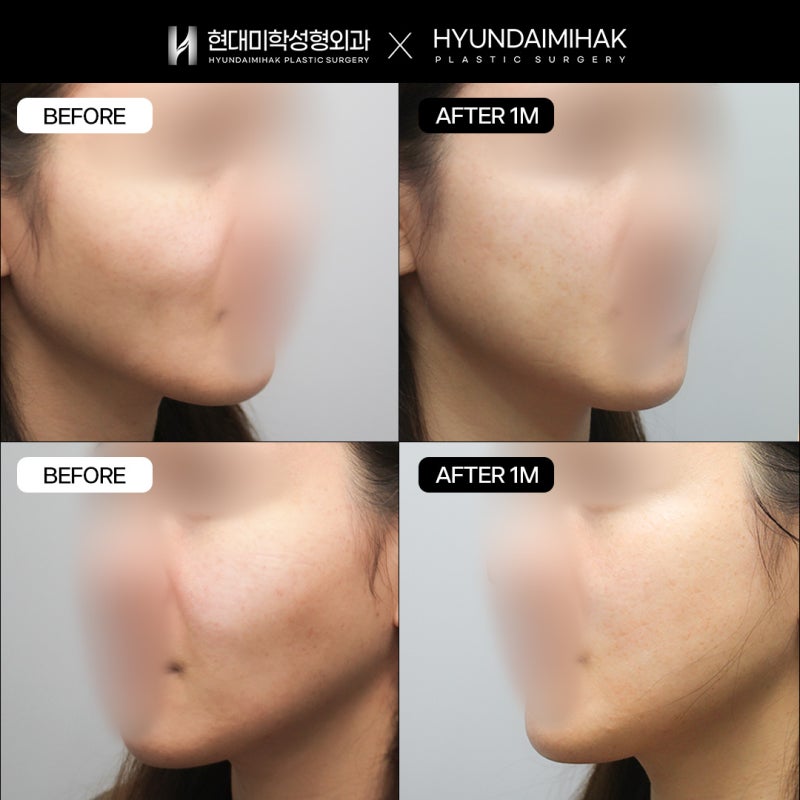
If you are considering cheekbone reduction, it is important to first clearly identify why your cheekbones appear prominent and then choose the most appropriate method. Rather than proceeding directly with surgery, it is advisable to first review whether safe improvement is possible through a non-surgical procedure. Surgery is not always required to reduce the cheekbone area, and sufficient improvement may be possible with fat control and elasticity management alone. Therefore, when choosing a plastic surgery clinic, it is important to look for medical professionals who can comprehensively analyze your individual facial structure and suggest the optimal method, rather than simply recommending surgery.