Donated Rib Cartilage: A Low-Burden Rhinoplasty Solution for Revision Surgery
Hello, this is Hyundai Aesthetic Surgery. The nose is not simply the part located at the center of the face; it is a key structure that performs important functions such as breathing and smell, while also determining the three-dimensional appearance and overall impression of the face. For this reason, concerns about the shape of the nose often go beyond simple cosmetic dissatisfaction and are closely connected to self-confidence. As a result, many people become interested in rhinoplasty and naturally begin to look carefully into the materials inserted into the nose, namely implants or graft materials. In particular, those who feel resistant to conventional artificial implants, or those who have already used septal cartilage or ear cartilage in a previous surgery, inevitably become even more interested in alternative materials. In these situations, one alternative that has recently been drawing attention is rhinoplasty using donated rib cartilage.
First, it is important to understand rib cartilage. Rib cartilage refers to the softer cartilage portion of the ribs, and because of its characteristic flexibility and sufficient volume, it has long been widely used as a rhinoplasty material. Traditionally, autologous rib cartilage, meaning cartilage harvested from the patient’s own rib, has been used. This has been especially preferred in cases that require firmer and more abundant cartilage, such as revision rhinoplasty or nasal reconstruction. However, because autologous rib cartilage surgery involves harvesting cartilage from the rib, it is true that the operation time can be longer and there may be concerns about scarring or pain. For patients who feel burdened by harvesting their own rib cartilage, donated rib cartilage has become an effective alternative that can raise the nose and provide stability without leaving a scar at the donor site.
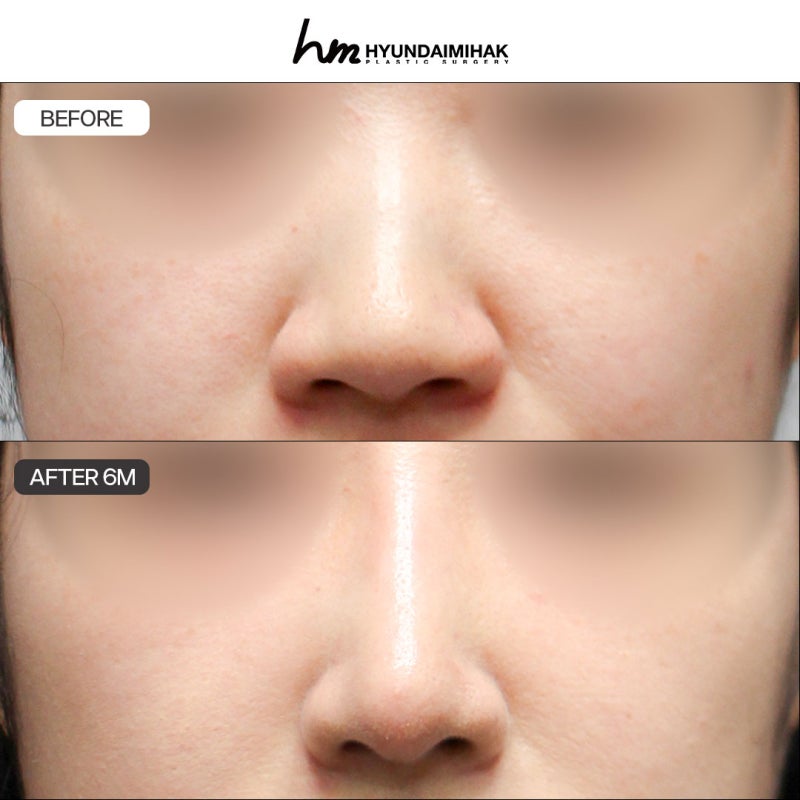
Donated rib cartilage is exactly what the term suggests: rib cartilage donated from another source, either allogeneic or xenogeneic, and used for surgery. Some people may feel vague resistance to the word “donated,” but in reality, protein components that could cause infection or immune reactions are thoroughly removed, after which the cartilage undergoes sterilization and is safely processed for medical use.
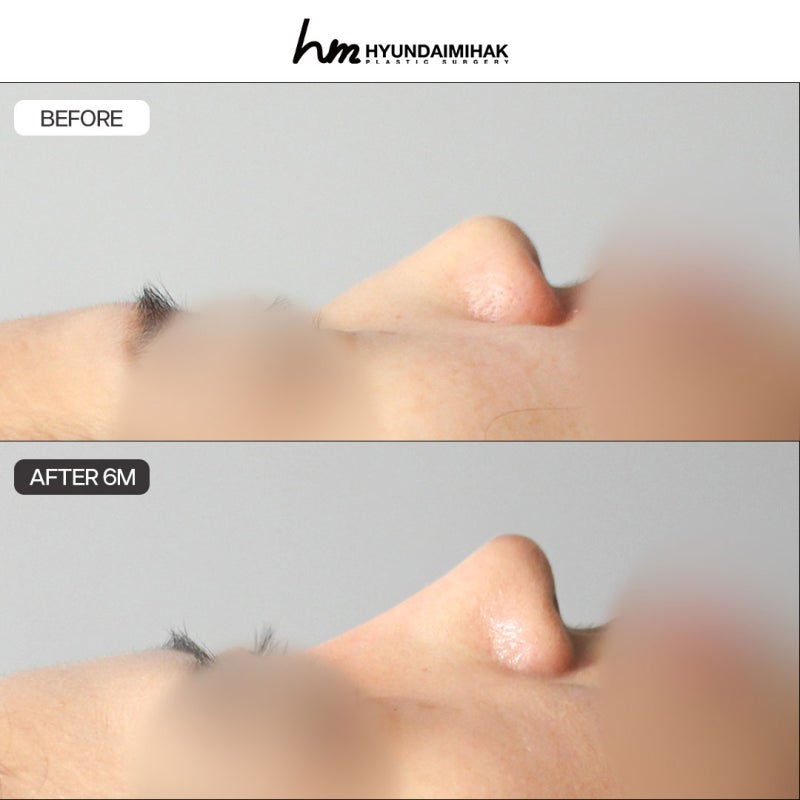
At Hyundai Aesthetic Surgery, the number of rhinoplasty cases using donated rib cartilage has also been increasing recently. This method is especially useful for patients who have undergone several previous nose surgeries, or revision patients whose nasal tip has collapsed or whose septum has weakened. Because there is no need to harvest the patient’s own rib cartilage and no incision scar remains after surgery, patients can also expect satisfying results from an aesthetic perspective.
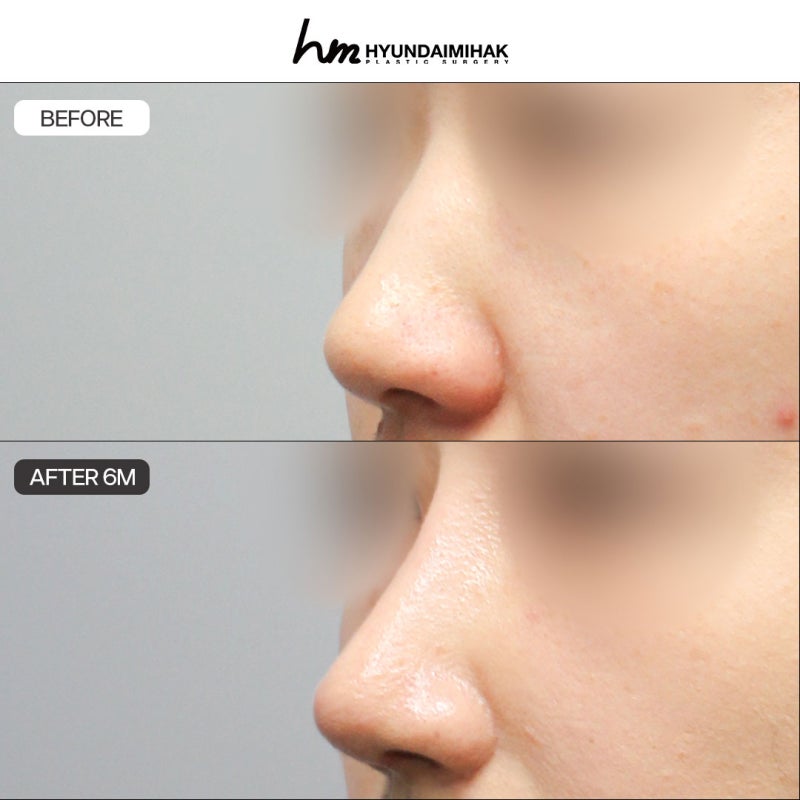
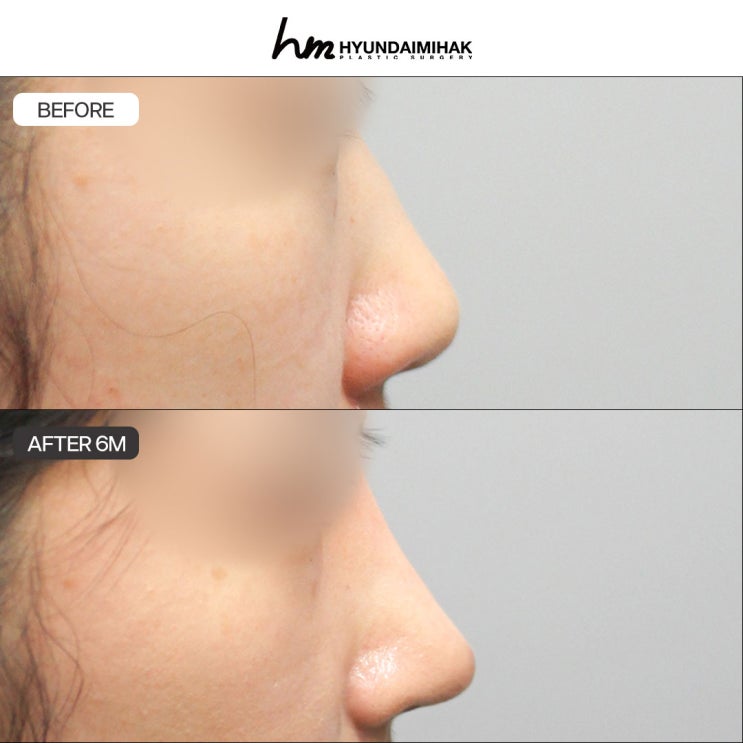
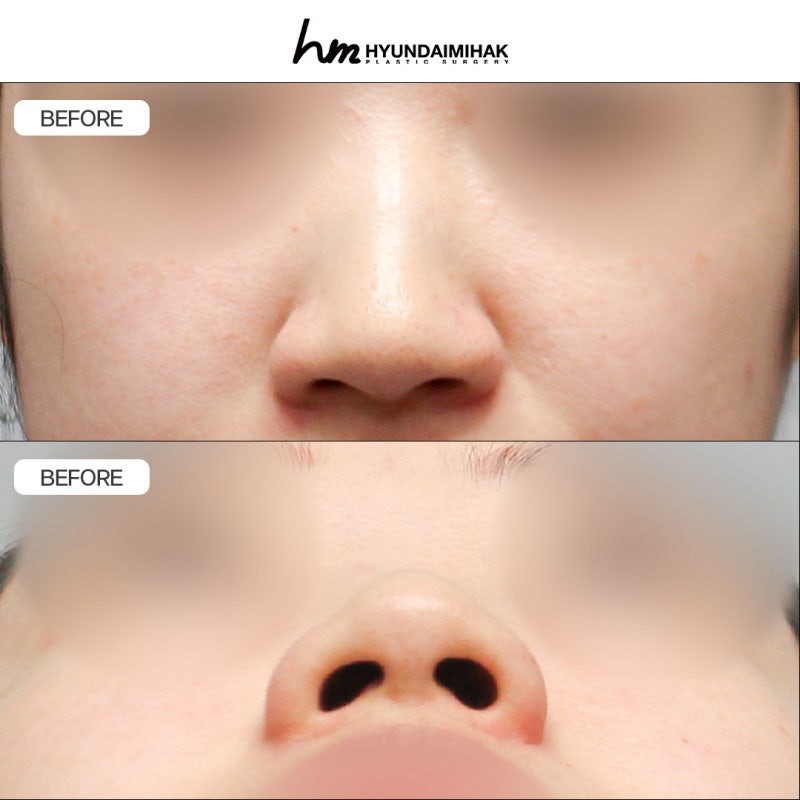
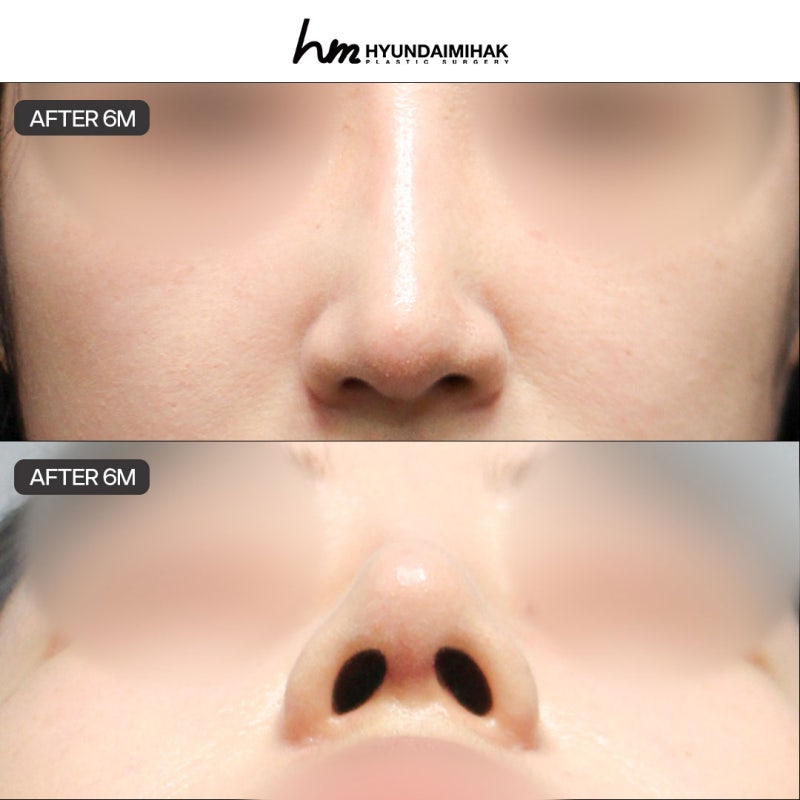
This was also confirmed in actual cases. It was possible to naturally raise a low nose while creating a smooth nasal line. Above all, satisfaction was high because the surgery could be performed without concern about scarring, and this is one of the key points frequently mentioned during consultations as well.
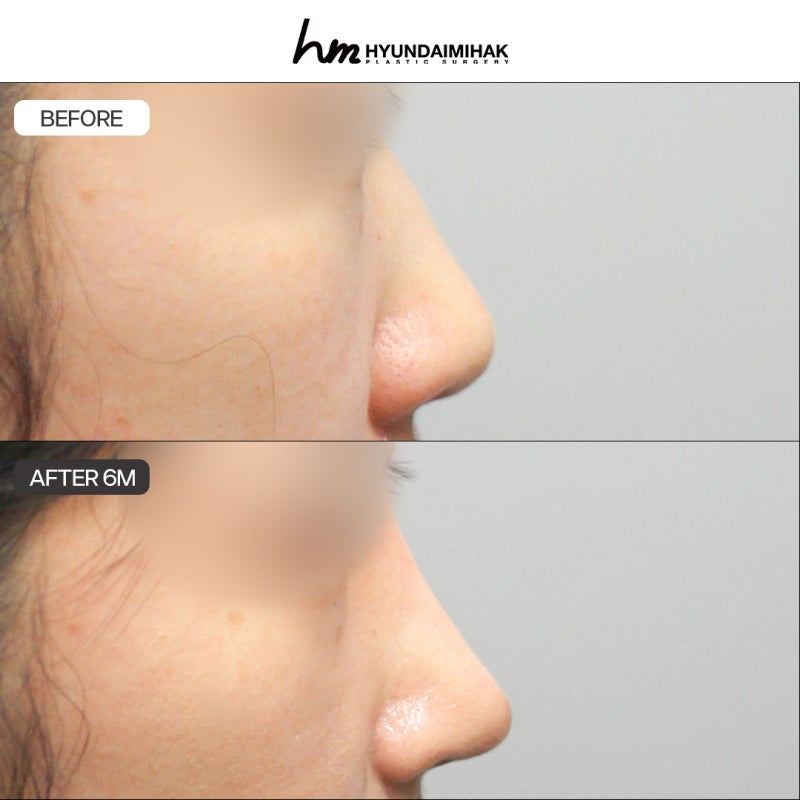
In conclusion, if you are considering rhinoplasty and feel burdened by artificial implants, have insufficient existing cartilage resources, or want surgery without a donor-site scar, donated rib cartilage can be a good option to consider. Based on a wide range of cartilage surgery cases, Hyundai Aesthetic Surgery provides safe results with high satisfaction, and offers patient-tailored plans through thorough consultations. We will continue striving to provide more in-depth information about rhinoplasty. Please feel free to contact us anytime.