Creating a more three-dimensional line with short-nose septal extension
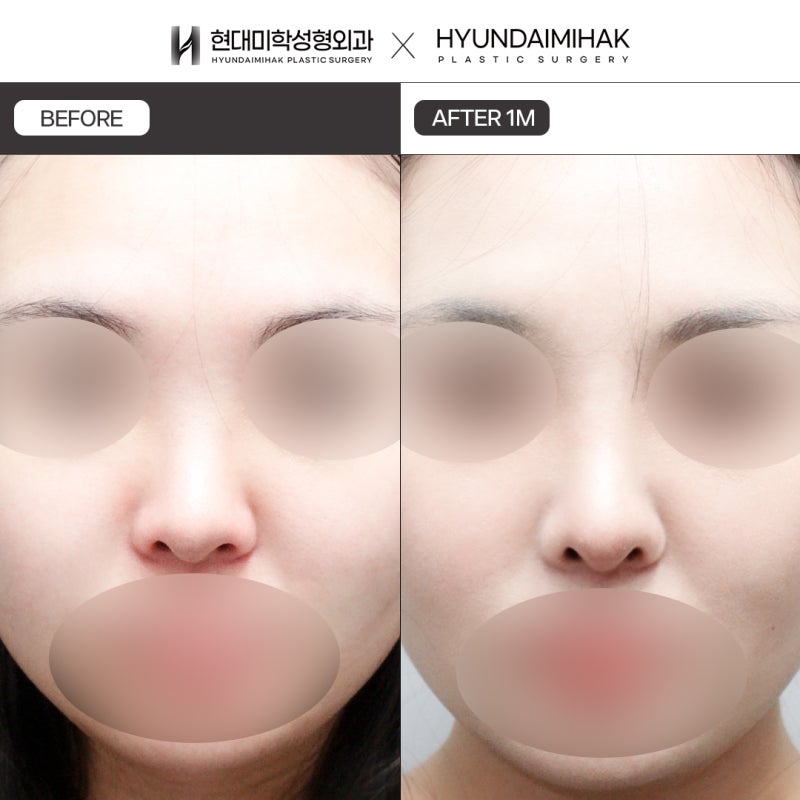
Hello, this is Hyundai Aesthetic Surgery. The ideal nasal proportion, when viewed from the front, is for the nose to occupy about one-third of the overall facial area. From the side, it is considered desirable for the angle formed by the columella and the lips to be about 90 to 95 degrees. However, for those considering short-nose surgery, these proportions are often significantly imbalanced, which can easily become a source of insecurity. That is why many people these days are showing interest in and asking about short-nose septal extension. In general, when the length of the nose is less than one-third of the face, or when the angle between the lip and the columella is 110 degrees or more, it is classified as a short nose. This type of nose can easily give a less refined impression, so it is understandably a major concern.
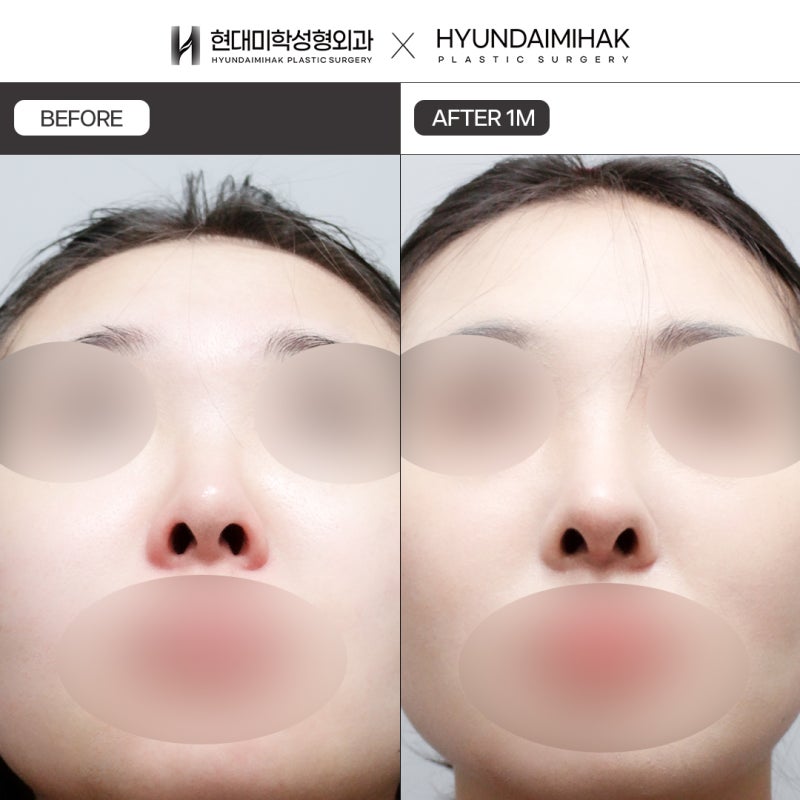
In a society where appearance is important, this can certainly be a significant disadvantage. So how can short-nose septal extension be performed efficiently to create a change that suits you? Fundamentally, the most important point in short-nose septal extension is improving the nasal tip. One way to extend this area is by inserting an implant. However, if artificial materials such as Gore-Tex or silicone are used, the result may inevitably look overly obvious as having been surgically enhanced.
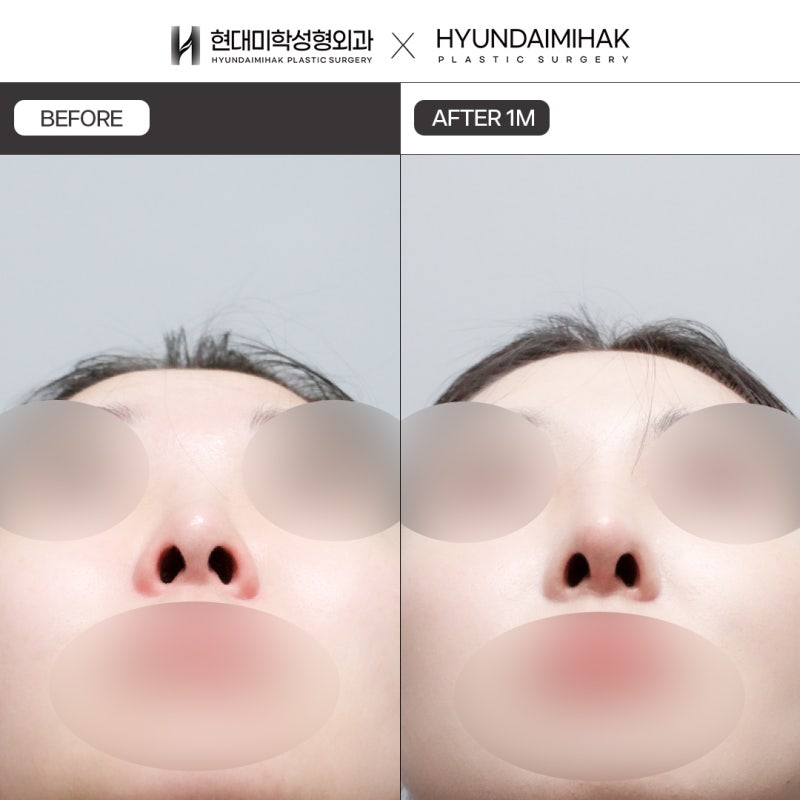
Of course, this may vary depending on the case, but there may also be discomfort, such as a foreign-body sensation when touching the nose. For this reason, the method we recommend is inserting autologous cartilage. The most commonly used types are septal cartilage and ear cartilage. In general, relatively firm septal cartilage is used when a strong shape correction is needed, while ear cartilage is often used for softer areas, so please keep this in mind.
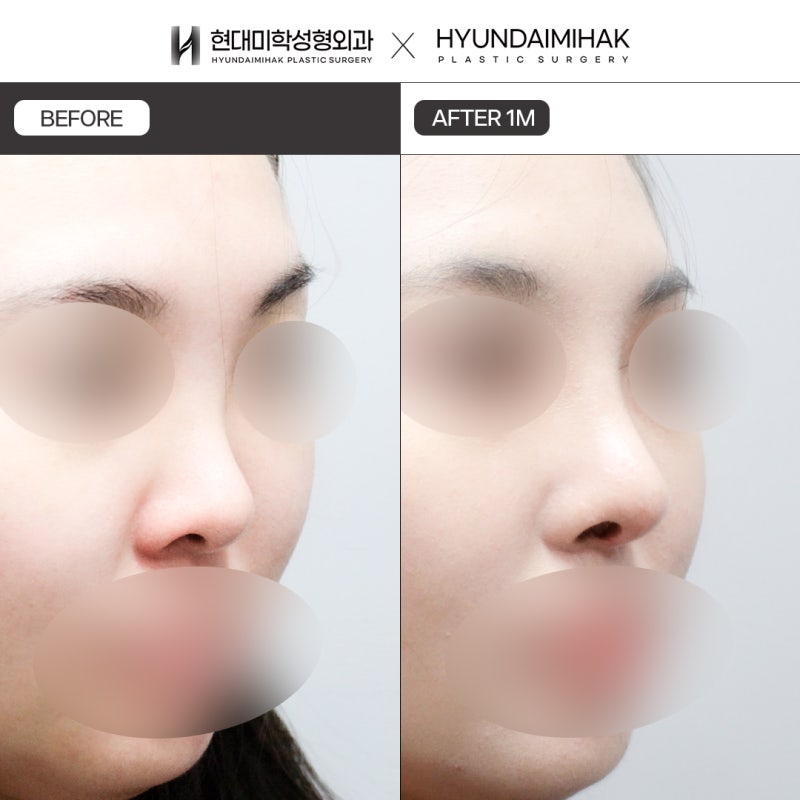
When autologous cartilage is used instead of an artificial implant, the likelihood of side effects or rejection is generally much lower than when artificial materials or implants are used. The outcome can also look more natural, which is why satisfaction with short-nose septal extension tends to be high. In addition, the feel of the nose when touched is closer to a natural state, so this is also worth noting.
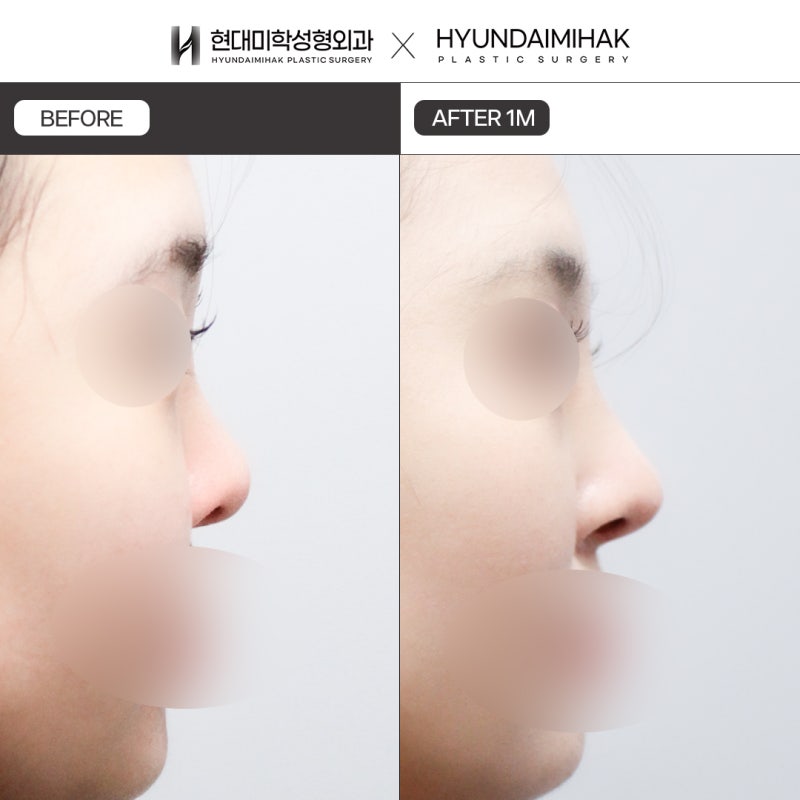
However, there is one thing you should keep in mind. Simply increasing the length through short-nose septal extension is by no means the ideal answer for a short nose. In many cases, people who are concerned about having a short nose want their nose to be made as long and high as possible in order to resolve their insecurity. However, this may not harmonize with the other facial features and can look artificial, so it is best to discuss the design with a specialist during a preoperative consultation.
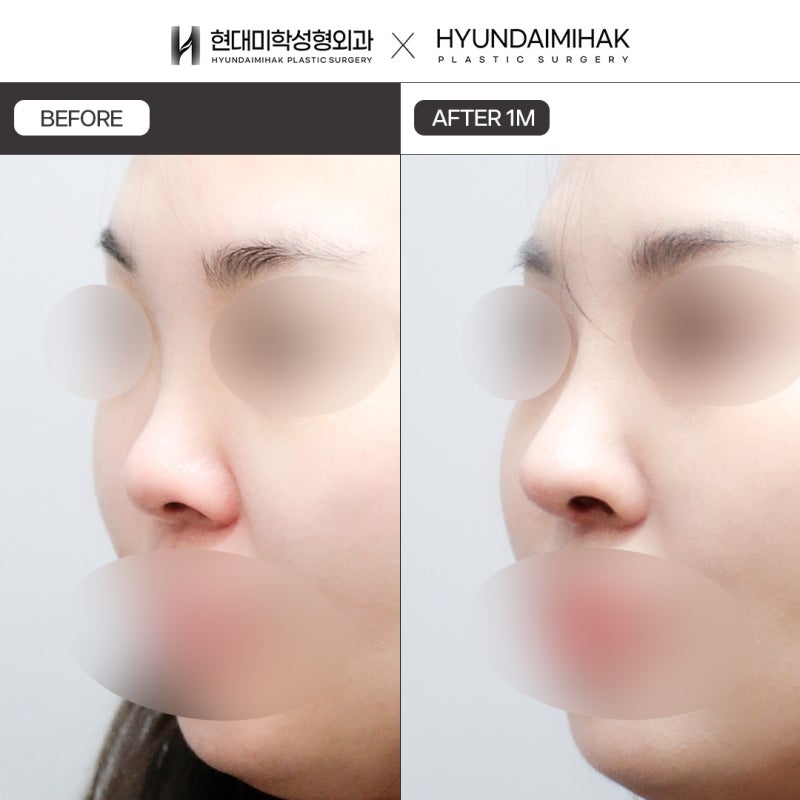
In addition, you should keep in mind that functional aspects are also very important when it comes to the nose. Rather than considering only aesthetic factors, we most recommend looking for medical professionals who can proceed while also taking into account harmony with other facial features and functional safety. We hope you will refer to these key points of short-nose surgery and achieve a successful result through short-nose septal extension.