Points to keep in mind when undergoing reverse skin repositioning restoration
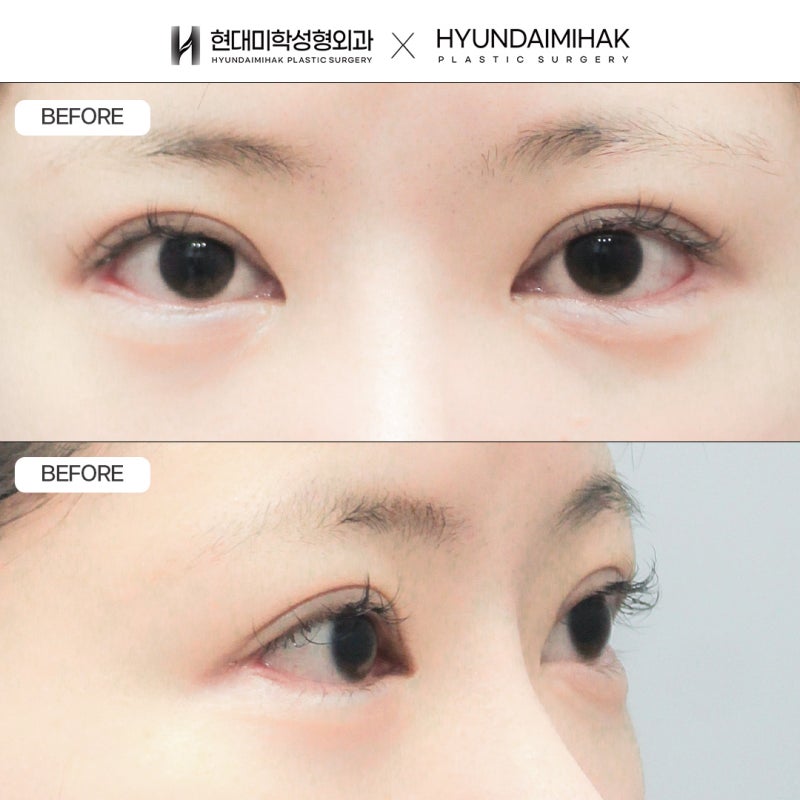
Hello, this is Hyundai Aesthetic Surgery. Many people considering eye surgery have eyes that look small and somewhat closed-off because of epicanthal folds. For this reason, medial epicanthoplasty is often performed together with double-eyelid surgery. When the two procedures are done at the same time, they can improve both the horizontal and vertical dimensions of the eyes after surgery, helping the eyes look more open and refreshed. However, even with this type of surgery, problems can occur. If the design is excessive or does not suit one’s face, the result may look unbalanced and may even create a sharper, harsher impression.
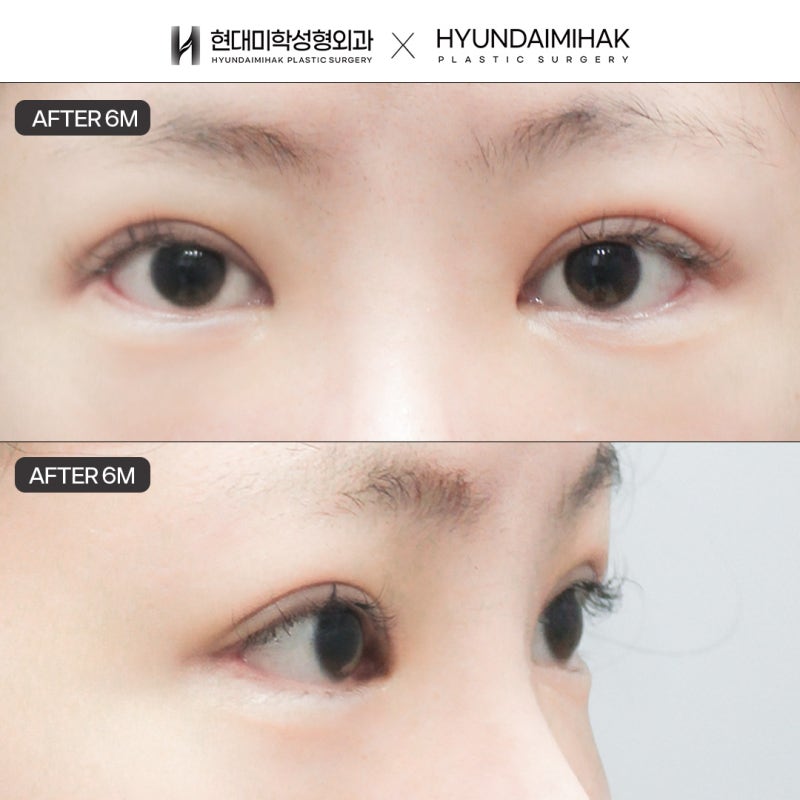
In particular, even a subtle change in the shape of the inner corners of the eyes can significantly alter one’s overall impression, so many people who experience this after medial epicanthoplasty ask us about the reverse skin repositioning method. Medial epicanthoplasty restoration using reverse skin repositioning is performed when the original medial epicanthoplasty looks awkward or was done incorrectly. If the inner corners are opened too much, the distance between the eyes may appear overly narrow, and the inner mucosa and lacrimal lake may be exposed, creating a harsher-looking impression.
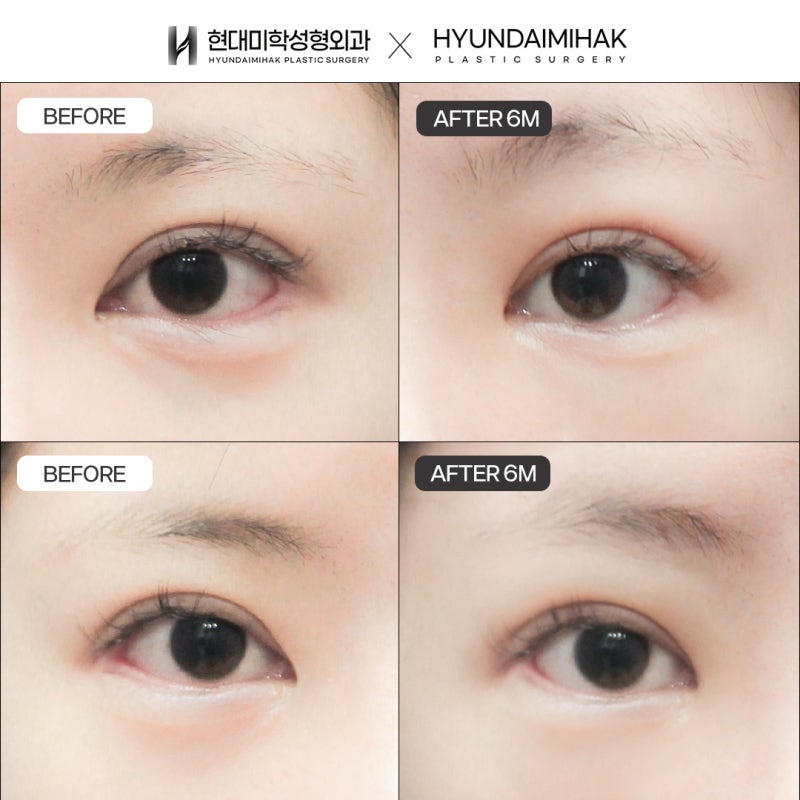
A procedure that can cover the excessively exposed lacrimal lake again is medial epicanthoplasty reconstruction, and one of the restoration methods used for this is reverse skin repositioning. However, even when undergoing medial epicanthoplasty restoration, the possibility of another unsatisfactory result cannot be ignored. That is why choosing the right clinic from the very beginning is extremely important. Rather than rushing to correct an unbalanced eye shape, it is helpful to consult with a specialist who can accurately identify the cause of the failure and the specific problems, and then find an objective solution.
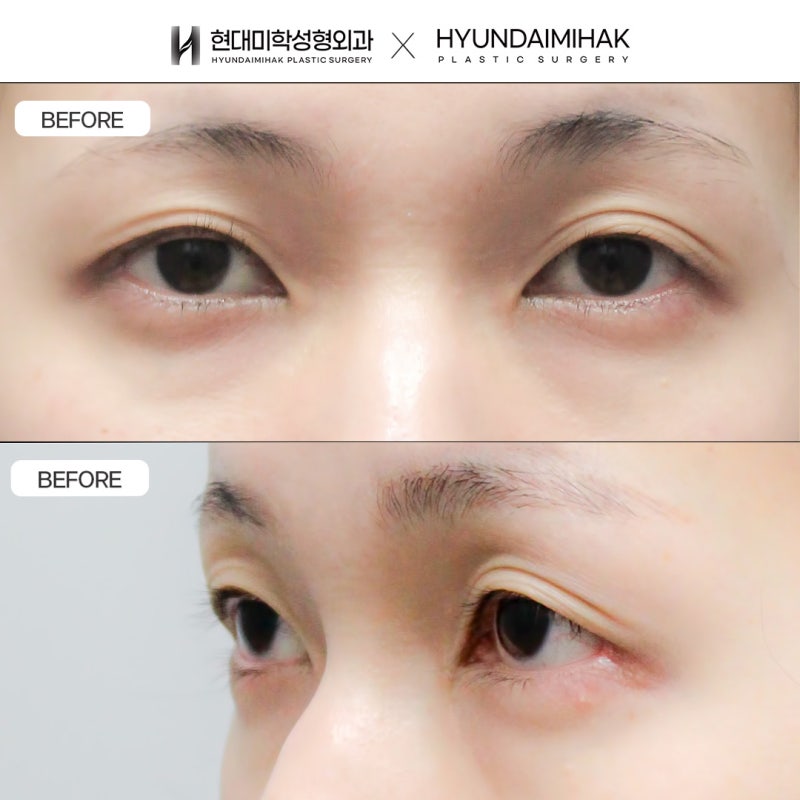
Also, if reverse skin repositioning is performed too aggressively on eyes that have not yet healed, additional problems can often occur. Even if you are unhappy with your current condition and feel stressed every time you look in the mirror, it is best to allow enough time and carefully consider the appropriate timing for revision eye surgery. For restoration, we recommend having as many consultations as possible until the procedure can be safely performed, and during that process, it is important to determine which surgical method is most suitable for you.
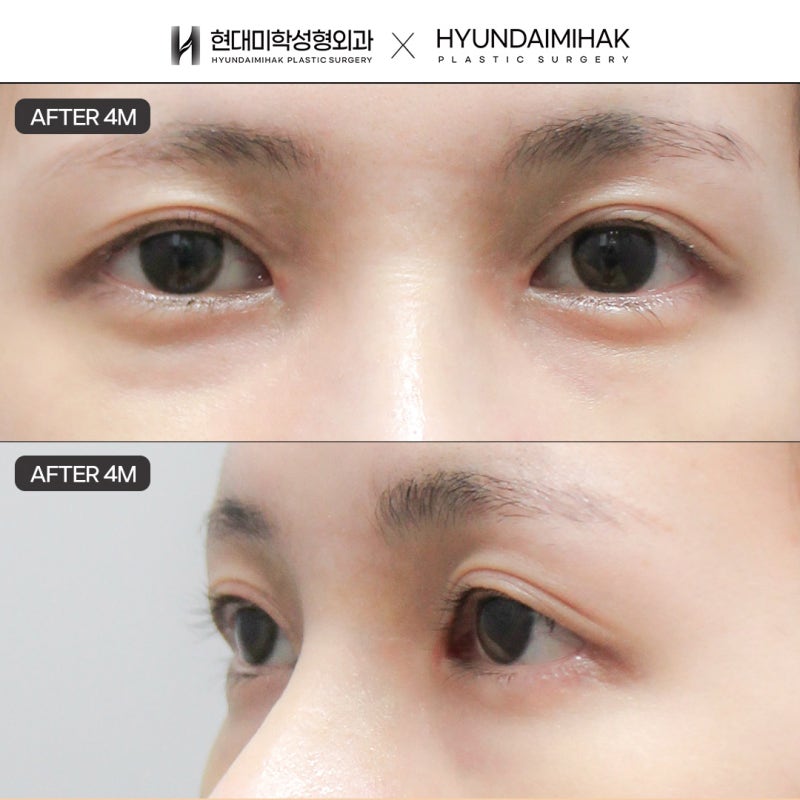
Many people wish to return their eyes to their pre-surgery condition through reverse skin repositioning, but no matter which clinic you visit, the most important thing is to choose one that recommends the surgical method best suited to your eyes. In addition to this technique, there are various other methods such as V-Y restoration and double-flap surgery, and there are also different suturing methods, so choosing the appropriate approach can help achieve better surgical results. For cases involving excessive lacrimal lake exposure, a wider area needs to be restored, so we recommend the reverse skin repositioning method that is suitable for this condition.
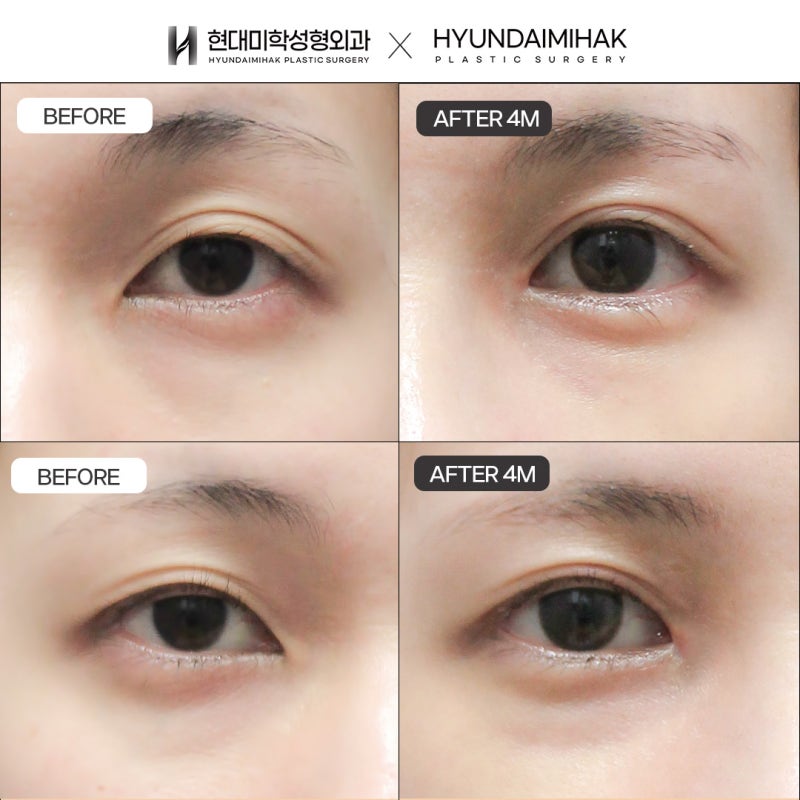
As everyone knows, the tissues around the eyes are thinner and more delicate than other skin tissues on our body. It takes at least 6 months to 1 year for the eye tissues to settle more stably, so please keep this in mind. If you are considering medial epicanthoplasty restoration due to depressed scars after medial epicanthoplasty, a hook-shaped inner corner, excessive lacrimal lake exposure, an awkward design, functional issues, or similar concerns, please contact us and we will provide a detailed consultation. Thank you.