Before and After Alar Reduction: If You Are Concerned About a Rounded Nose
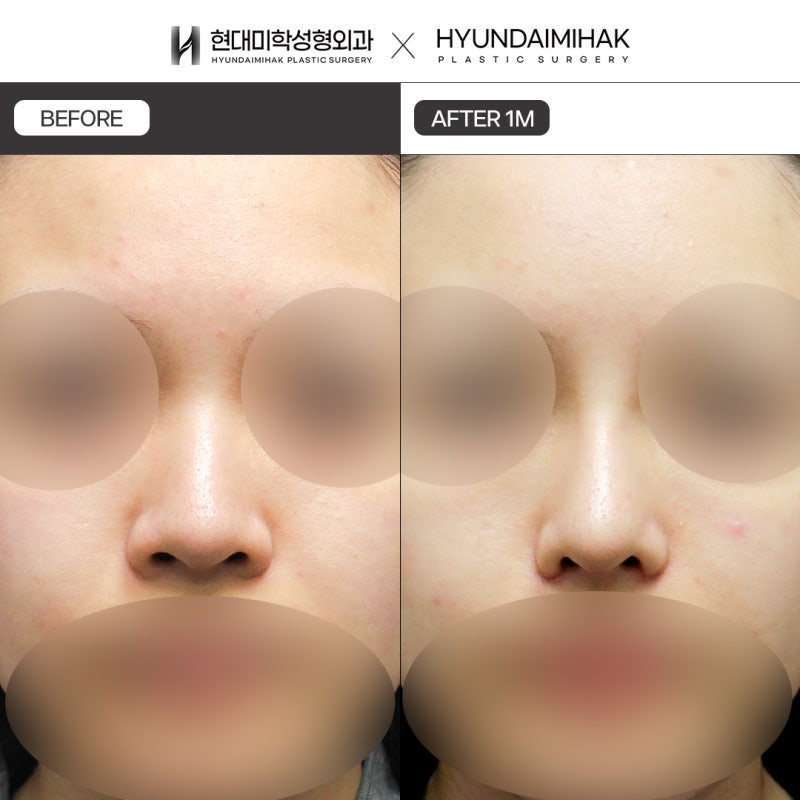
Hello, this is Hyundai Aesthetic Surgery. After seeing before-and-after cases of alar reduction, many people have been contacting us with inquiries. The shape and form of the nose are among the elements that greatly determine one’s overall impression. In particular, the alar base is an important part that influences facial balance. If the nasal tip is rounded or the nostrils appear wide, many people consider it a concern because it creates the opposite of a sharp, refined image. In addition, a rounded nasal tip and wide alar base can emphasize the overall curves of the face, making the face appear larger or rounder, and may even create the optical illusion of more empty space on the face. In such cases, as seen in these before-and-after alar reduction results, alar reduction can help improve the nose into a sharper nasal line and image.
Alar reduction is a surgery that reduces the alar area of the nose, as shown in before-and-after cases of alar reduction surgery, making the nose shape more
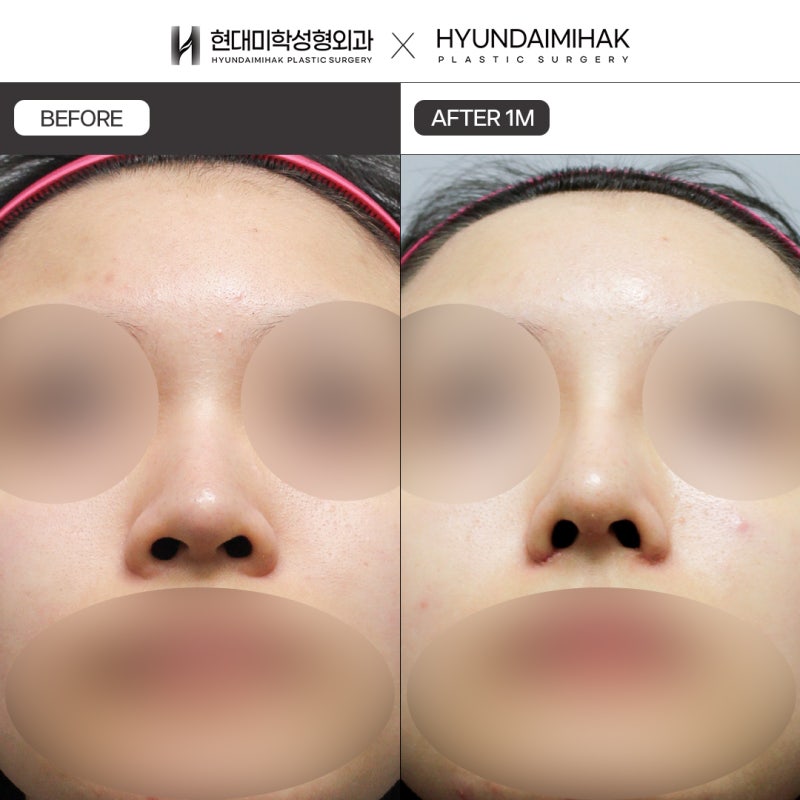
slim and refined. Many people think alar reduction is simply a surgery that reduces or removes only the size of the nostril wings, but it is a procedure that requires careful planning while considering each individual’s facial features and proportions. There are broadly two surgical methods for alar reduction. The first is the incision method, in which nasal tissue is removed through excision, and meticulous suturing is performed through fine incisions.
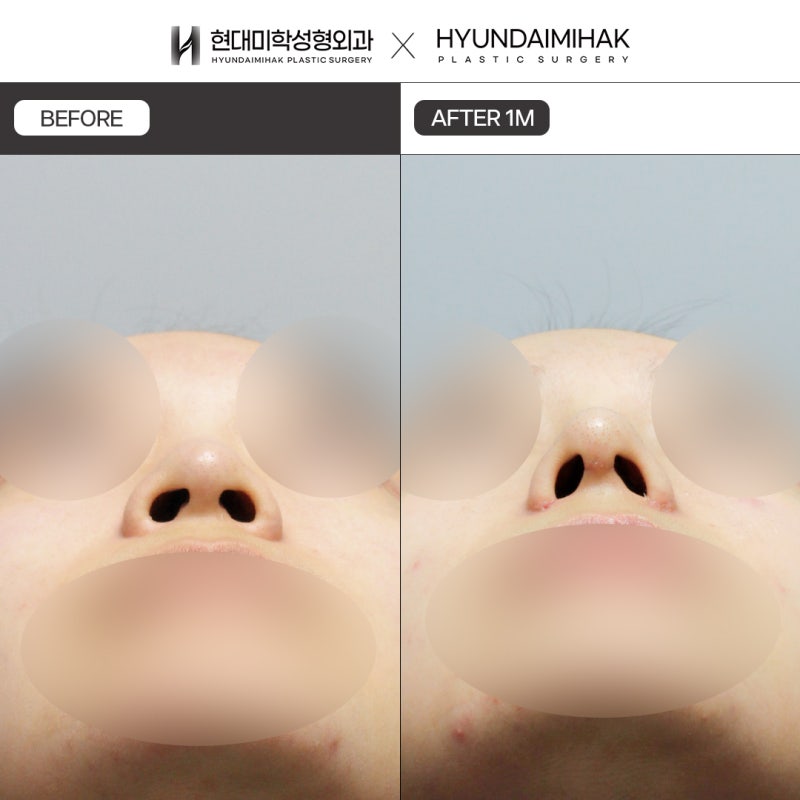
Because this method involves an incision, it is important to consider how postoperative scarring will be managed, and an expert’s flexible technique for minimizing scars is essential. This incision method is applied to cases with large nostrils where a non-incision method would not produce significant improvement and where recurrence is likely. The incision method for alar reduction can also be divided into two types.
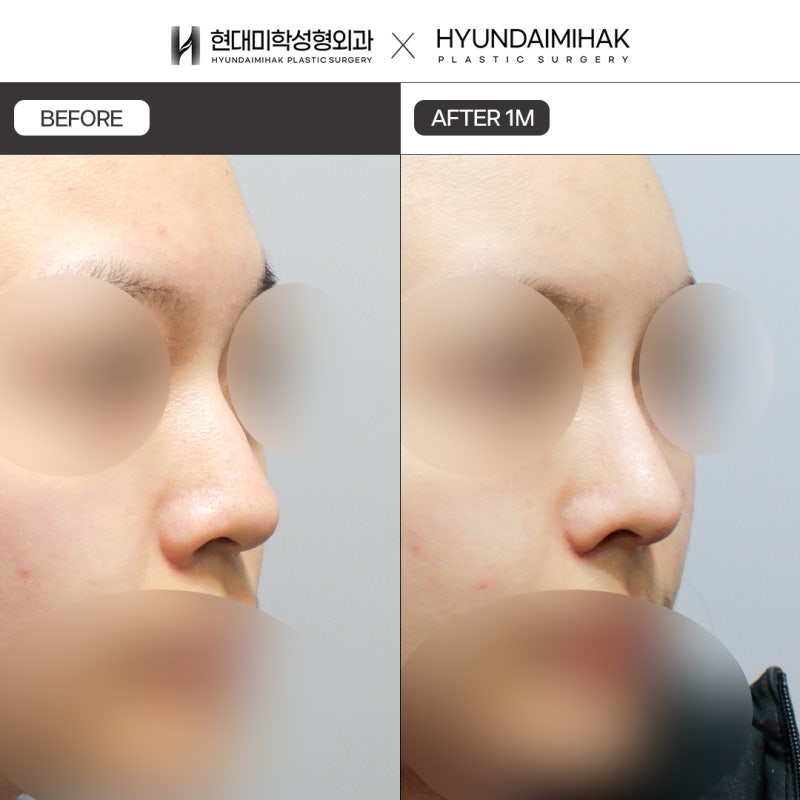
Depending on the incision location, it is classified as an internal incision or an external incision. In the case of an internal incision, the inner area is incised to reduce the skin of the alar base. In the case of an external incision, when the alar skin itself is very wide, that is, in cases where the alar base is severely wide, an incision is made on the outer part of the nose. The outer part of the nose is an area with sebaceous glands, so there may be a concern that scars could be visible after surgery. However, in general, many cases are performed with an internal incision, so if you believe you may need an external incision, it is best to receive an accurate consultation.
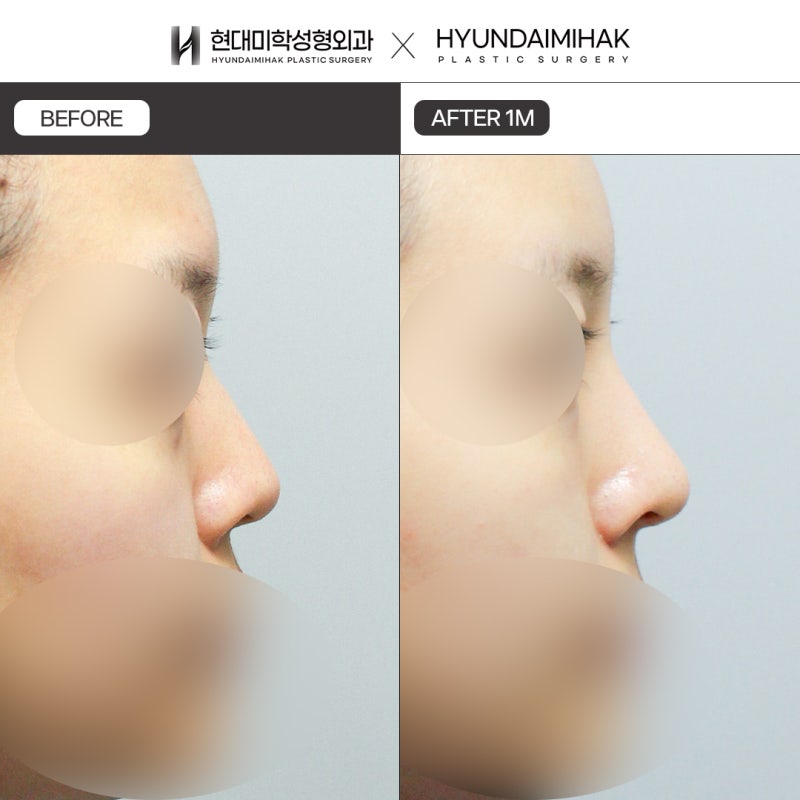
Next, the non-incision method performed for alar reduction is commonly known as a method that gathers and ties the alar base and columella without making an incision during surgery. If you look for before-and-after cases of this alar reduction procedure, one major advantage is that no visible external scar can be seen, and the recovery speed after alar reduction surgery is also clearly faster than with an incision method. This can be considered a suitable surgical method for cases where the columella is wide and the lower part of the nostrils is broad. If you are considering alar reduction, a precise analysis is necessary to determine the appropriate alar size and shape according to your facial structure, as in these before-and-after alar reduction cases, so we recommend consulting several clinics.
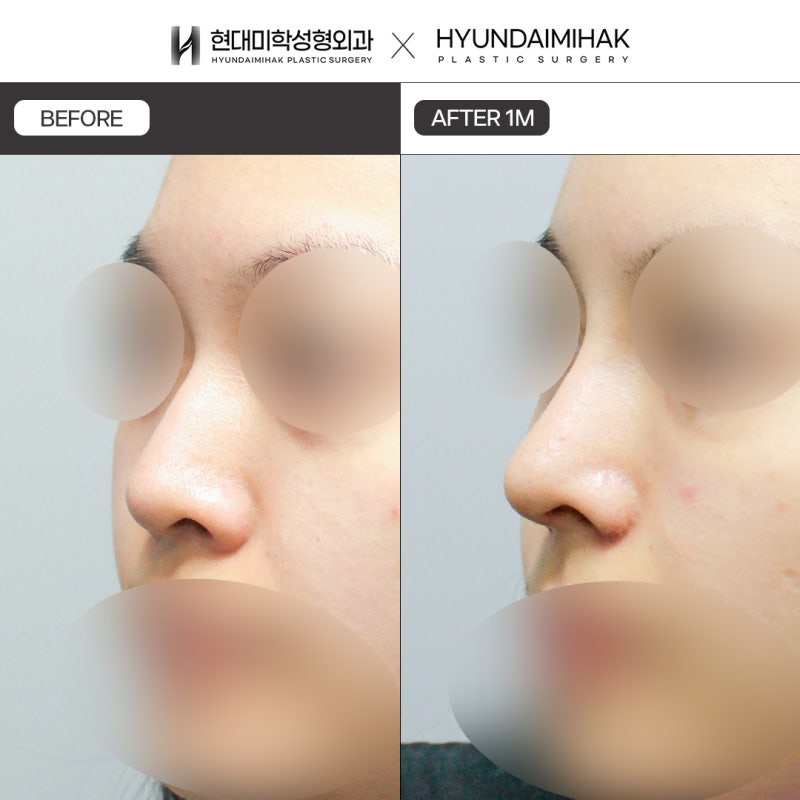
You may be looking through many before-and-after alar reduction cases because you are concerned about a nose that appears rounded. Alar reduction can produce different results depending on each person’s anatomical nasal structure and desired outcome, so careful decision-making is necessary. It is also important to have an accurate understanding and thorough preparation regarding postoperative recovery care and maintenance. In addition to the anatomical structure of the nose, skin condition can also vary from person to person. For example, if you have keloid-prone skin, we recommend undergoing more detailed examination and consultation, and carefully reviewing before-and-after alar reduction cases and postoperative care methods before making an inquiry. Thank you.