Tip-Lowering Surgery for an Upturned, Short Nose
Hello, this is Hyundai Aesthetic Surgery. Among those who have previously undergone nose surgery, many patients contact us about tip-lowering surgery after feeling that, over time, the nasal tip has drooped or appears lifted. After surgery, the nose may naturally become lower with time, or problems with the material grafted into the nasal tip may cause it to shorten or rise. There are also cases where cartilage becomes visible after rhinoplasty, or where donated rib cartilage used in the nasal tip causes issues related to absorption rates. There are so many different reasons and causes that it is difficult to define them as one specific type of case, which is why many people look into revision rhinoplasty.
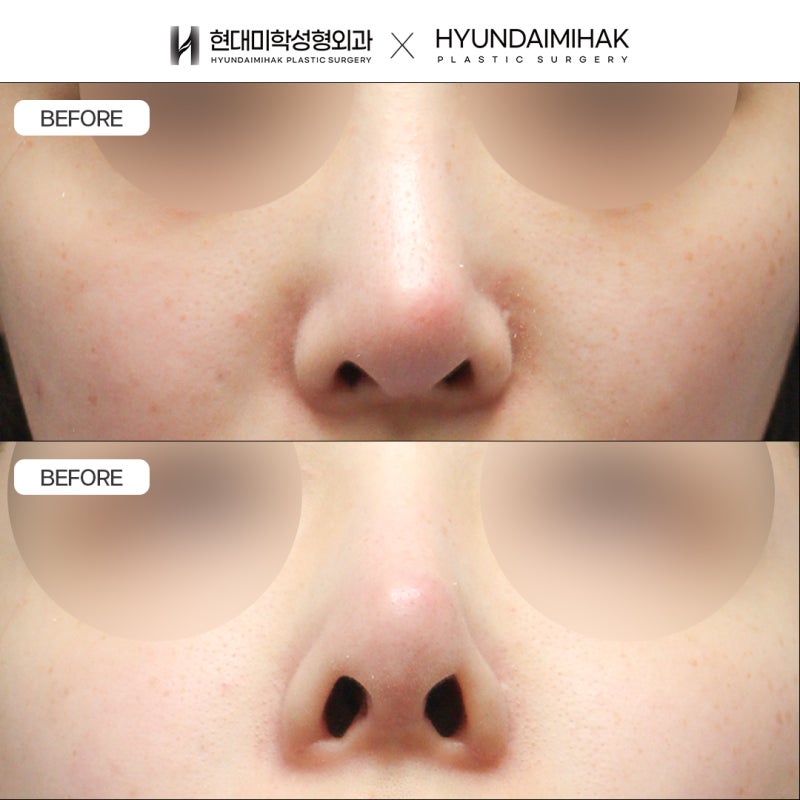
Among these concerns, let us take a closer look at tip-lowering surgery. Since the nasal tip is an area often emphasized with makeup, a beautiful nasal tip shape that harmonizes with the face can make the overall face appear more attractive. After rhinoplasty, if the design does not take facial proportions into account or is not suitable for the individual, the nose may appear upturned, or the nasolabial angle may look unnatural and artificial. For these reasons, many people look into tip-lowering surgery. Surgery for an upturned nose that lowers the nasal tip, or reinforcing a tip that appears short, can help make the nasolabial angle look more natural.
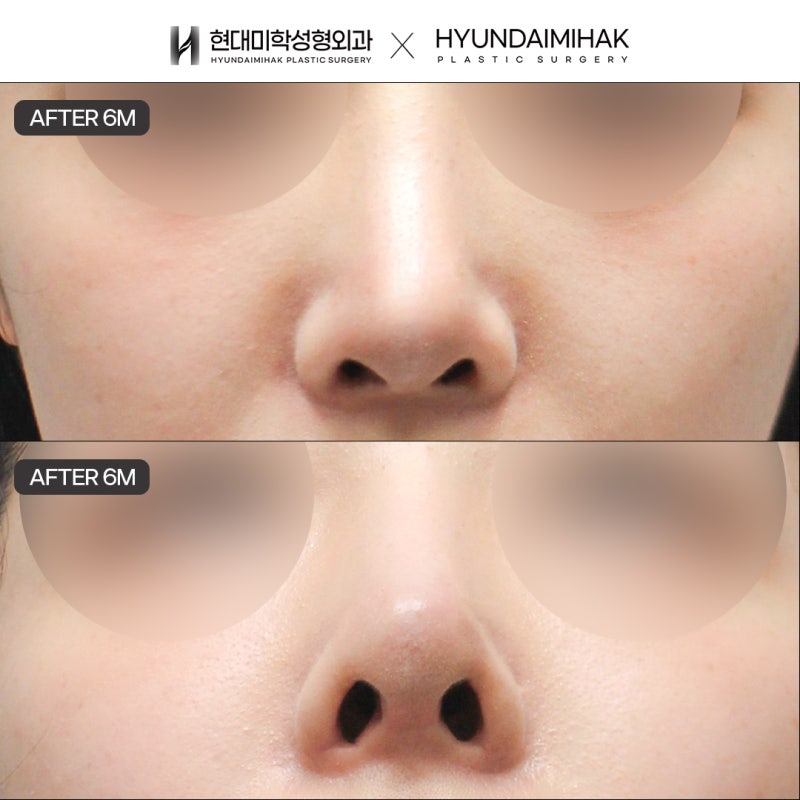
For this type of nose, revision surgery should focus on a natural design that considers the anatomical structure and facial characteristics. For example, if tip-lowering surgery lowers the angle of the nasal tip too much or makes the nasolabial angle too narrow, the result may actually look awkward and may not be what the patient wanted. In nasal tip revision surgery, these subtle differences can change the entire impression, so delicate design planning is important.
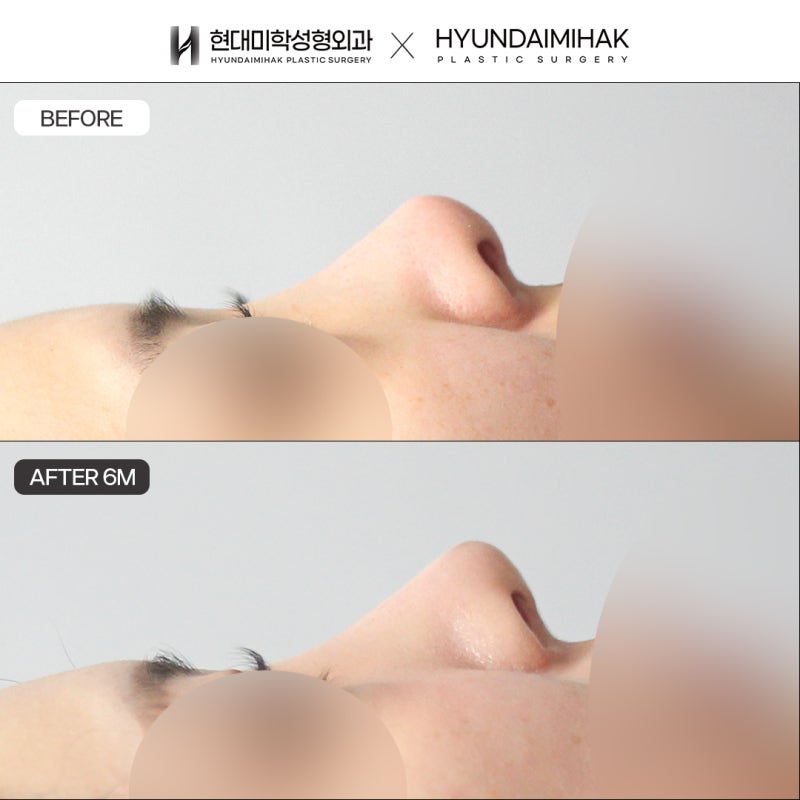
Also, among those considering tip-lowering surgery, patients who have already undergone nose surgery have even more points to be careful about when looking into the procedure. If side effects or functional problems such as visible cartilage, contracture, silicone extrusion, or inflammation are present, it is important to receive an accurate diagnosis from a specialist with extensive experience in various revision rhinoplasty cases. As in the case above, if inflammation is present at the nasal tip, the skin at the tip may appear red and pain may be felt.
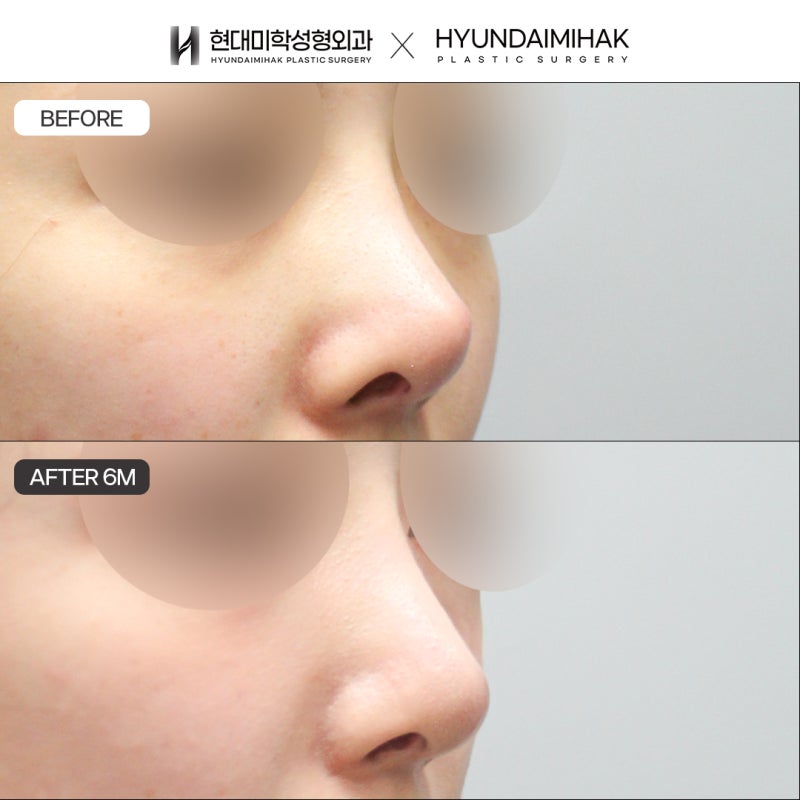
It is easy to mistake reddened nasal tip skin and pain caused by inflammation as temporary symptoms. However, the longer these symptoms continue, the more likely they are to worsen, so it is best to consult a specialist as soon as they are noticed, receive medical care, and discuss the timing of treatment or revision surgery. We also receive many inquiries about the materials used in tip-lowering revision surgery. Materials for nasal tip revision surgery may include septal cartilage, ear cartilage, autologous rib cartilage, and donated rib cartilage, and autologous cartilage for the nasal tip may be partially reused or obtained through harvesting.
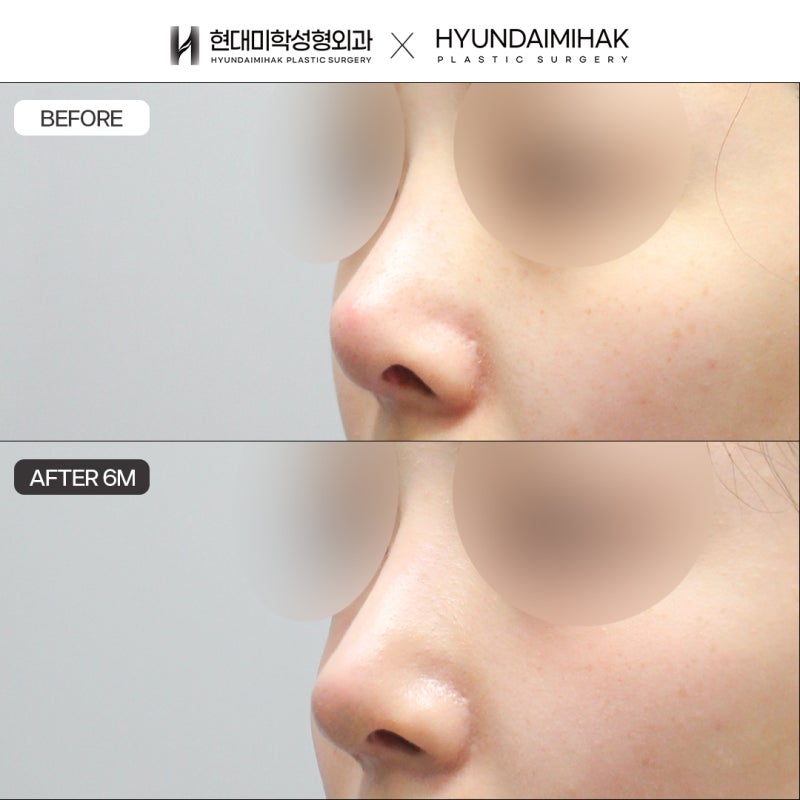
When considering tip-lowering surgery, if there are various complexes or concerns, revision surgery can be performed through additional steps to create a beautiful nasal tip and line. If you have had nose surgery recently and are looking into revision surgery, it is advisable to monitor your progress for up to 6 months, and if you feel there may be a functional problem, visit a specialist right away to at least receive a consultation. Thank you.