If you need revision rhinoplasty without implants, replacement, or removal
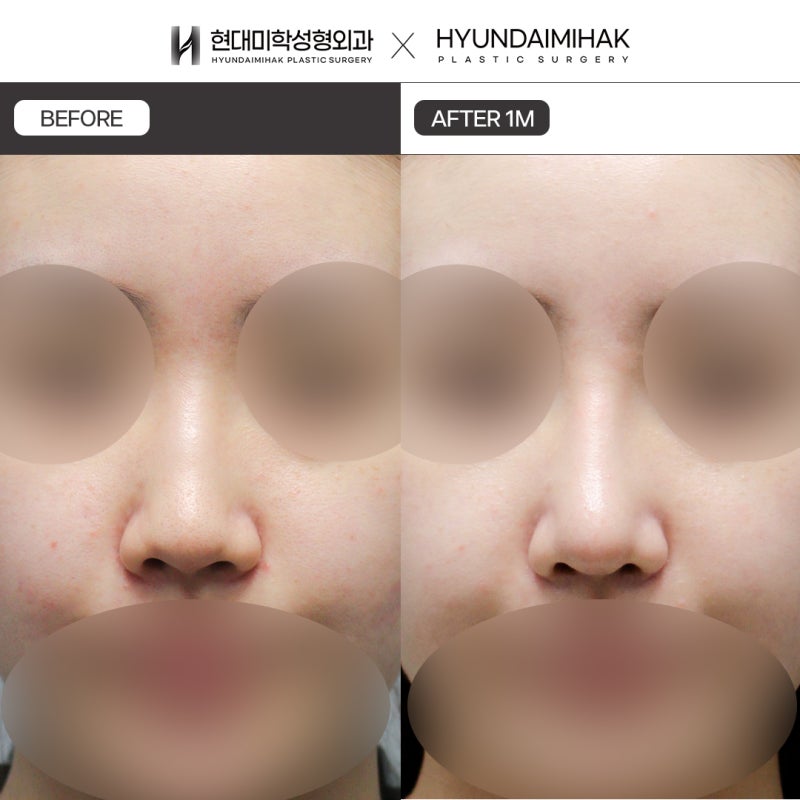
Hello, this is Hyundai Aesthetic Surgery. As interest in rhinoplasty continues to grow, interest in revision rhinoplasty is also increasing day by day. In particular, inquiries about revision rhinoplasty without implants have been rising sharply. Revision rhinoplasty without implants is a revision nose surgery that uses autologous tissue. Because it has high biocompatibility, a low incidence of inflammation or side effects, and is less burdensome, many patients tend to prefer it. Today, we would like to talk about this topic.
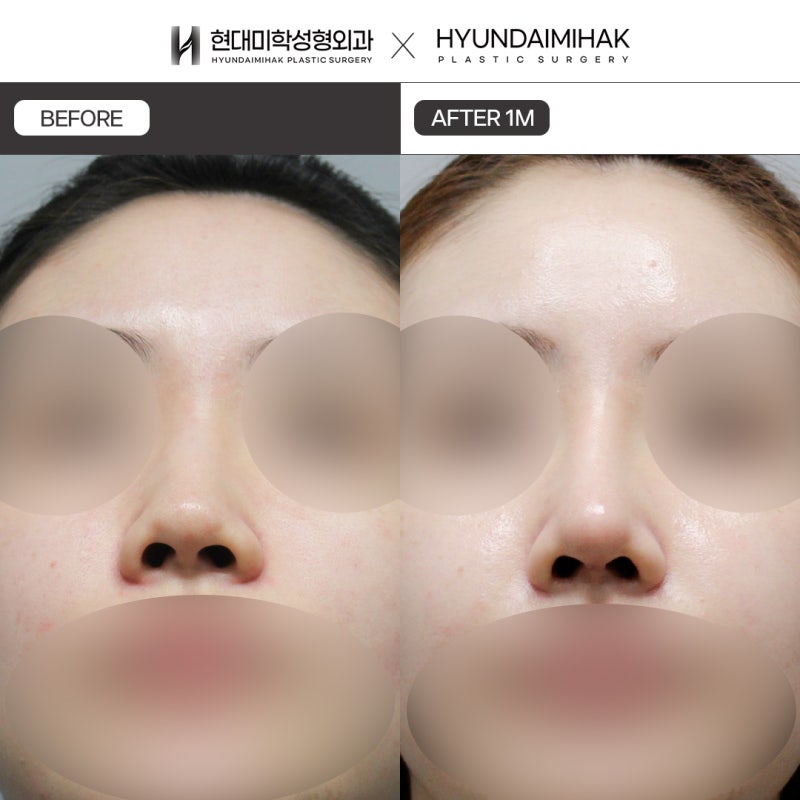
Revision rhinoplasty without implants is performed without artificial implants, so it is recommended for those who feel reluctant or burdened about artificial implants. In particular, some patients who had their first surgery with an artificial implant later wish to have the implant removed for various reasons. However, removing the implant does not necessarily return the nose to its original state; rather, there is a higher chance that the nose shape and bridge may look more unnatural. In such cases, we often recommend revision rhinoplasty without implants, in which artificial dermis or autologous dermis is grafted after implant removal.
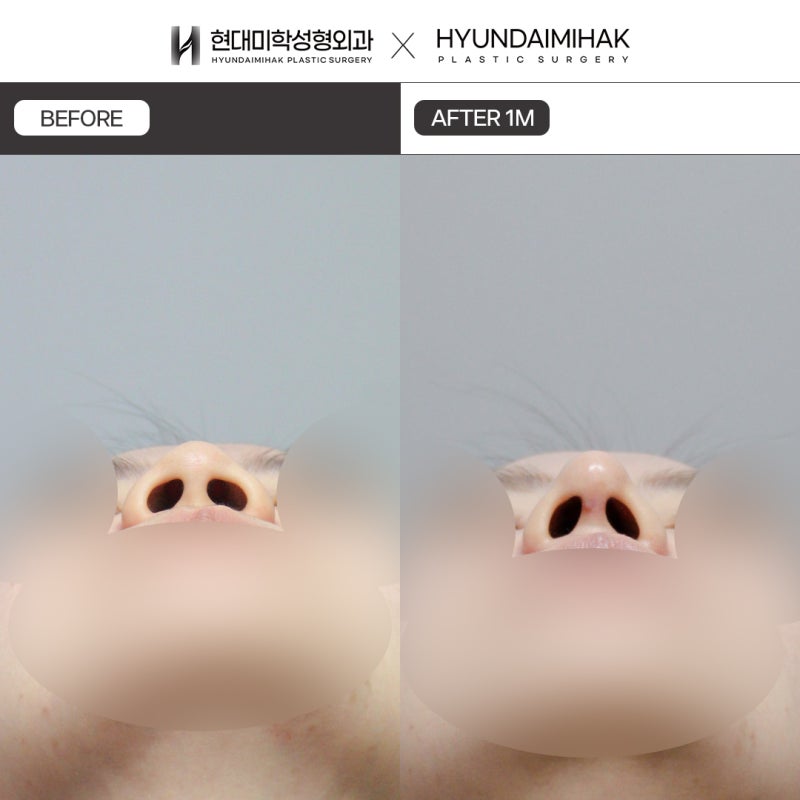
Dermis grafted to the nasal bridge instead of an artificial implant does not create a foreign-body sensation, so it is also a highly preferred material among those who feel reluctant about artificial materials even for their first surgery. Therefore, if you are considering removing or replacing silicone in the nasal bridge for any reason, learning about this type of revision rhinoplasty without implants may be helpful. However, even if you have reasons such as a strong preference for non-implant surgery, foreign-body sensation, reluctance toward implants, wanting to return to your original nose, or considering revision surgery due to inflammation such as contracture, revision rhinoplasty without implants is not always necessarily recommended. There are also cases where it may not be advised, so it is important to visit the clinic for an accurate consultation and hear a specialist’s opinion.
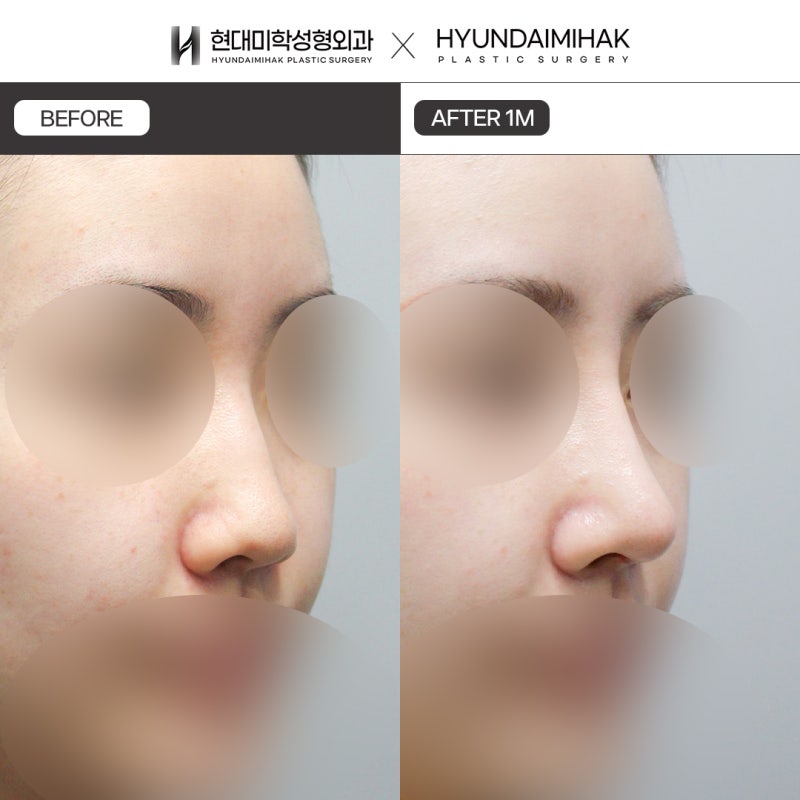
To summarize again, the greatest advantages of revision rhinoplasty without implants include a natural nose line and shape after surgery, less foreign-body sensation, a significantly lower risk of contracture and inflammatory reactions, and high safety. In particular, because artificial implants are classified as foreign materials, there can be anxiety about what kind of reaction they may cause while they remain in the nose. Ear cartilage, septal cartilage, rib cartilage, and autologous dermis used in revision rhinoplasty without implants are, literally, not implants or prosthetic materials; they are used after being directly harvested from the patient.
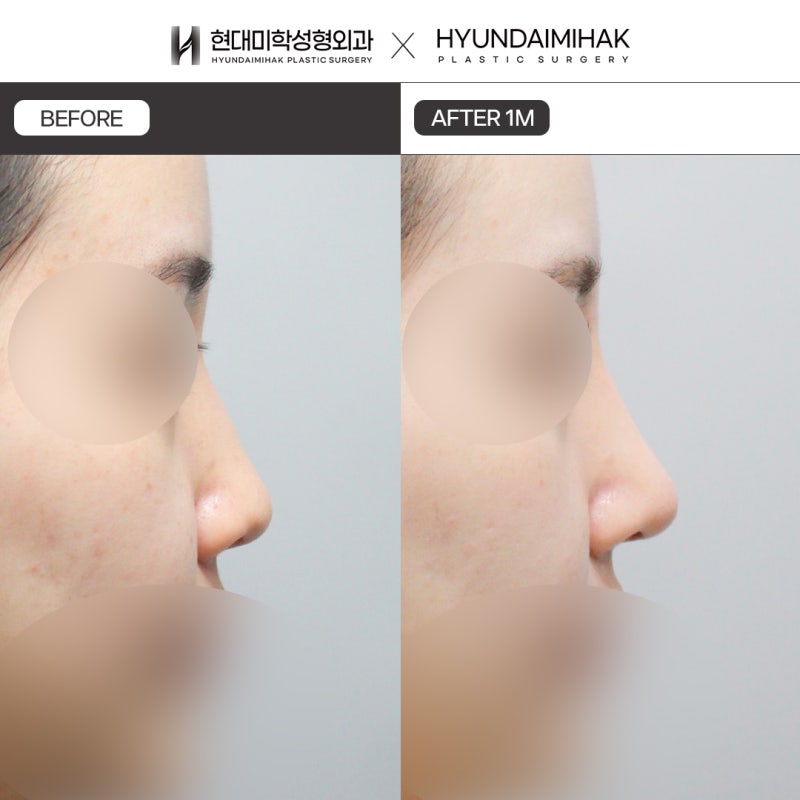
Also, compared with revision rhinoplasty that generally uses artificial implants, the difference is that unlike artificial implants, which do not integrate with the skin even over time after surgery, revision rhinoplasty without implants gradually settles into the skin over time, resulting in less shape distortion later. It is also considered suitable for those with thin skin because there is less concern about an implant showing through. However, if revision rhinoplasty using autologous tissue is not possible, revision rhinoplasty without implants may still be performed using artificial dermis or donated rib cartilage, so we recommend receiving a detailed consultation.
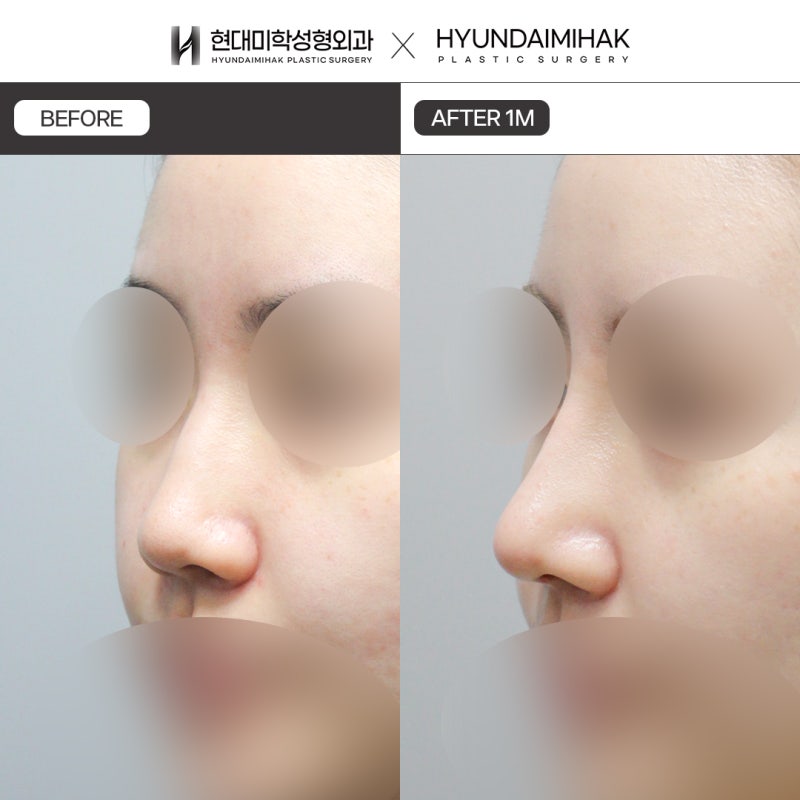
Today, we briefly looked at revision rhinoplasty without implants. Many people are likely looking into revision surgery because their nose surgery did not go well or because they are struggling with an artificial-looking change in their appearance. Since there are many options for revision rhinoplasty, we hope patients do not decide on one answer on their own, but instead consult with several revision rhinoplasty specialists and make a careful decision so they can experience a positive change and an even better appearance than before. Thank you.