Effects and Benefits of Nasal Tip Cartilage Repositioning
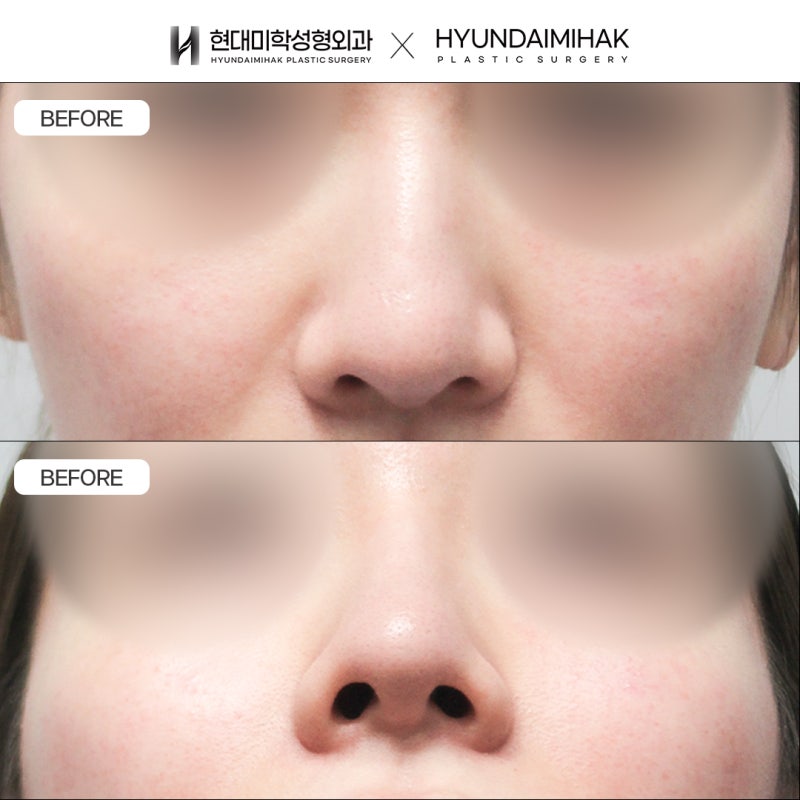
Hello, this is Hyundai Aesthetic Surgery. These days, interest in plastic surgery is very high not only among patients in Korea but also among patients visiting from overseas. Among all procedures, we receive a particularly large number of inquiries about the nose, and during consultations, questions about the nasal tip are among the most common. Depending on the shape and appearance of the nasal tip, it may be referred to by various names. For example, when the nasal tip appears upturned, it may be called an upturned nose, and when the tip appears droopy, it may be called a drooping or arrow-shaped nose. Many patients have concerns about the nasal tip. In particular, in cases where a previous rhinoplasty has not produced the desired result, many people look for information about nasal tip cartilage repositioning.
If you have concerns such as a low nasal tip or a bulbous nasal tip, you may search for information about nasal tip surgery, and it seems that many patients also become interested in this type of nasal tip cartilage repositioning at the same time.
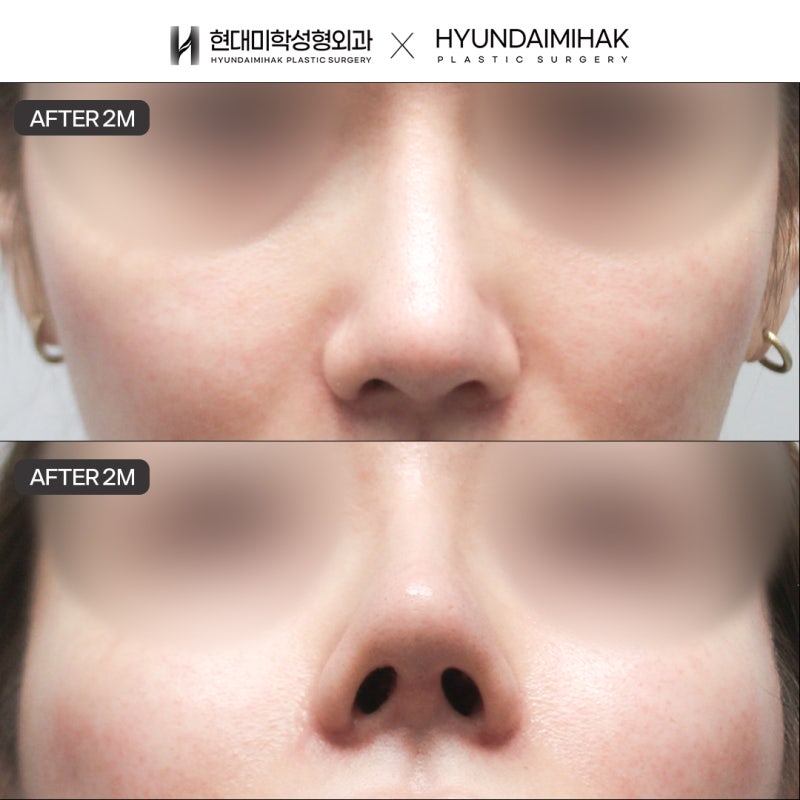
However, many people tend to confuse nasal tip cartilage repositioning with nasal tip cartilage suturing. To explain the difference between these two procedures, nasal tip cartilage suturing is a procedure that improves the nasal tip by tightening and tying both sides of the alar cartilage, also known as the lower lateral cartilage.
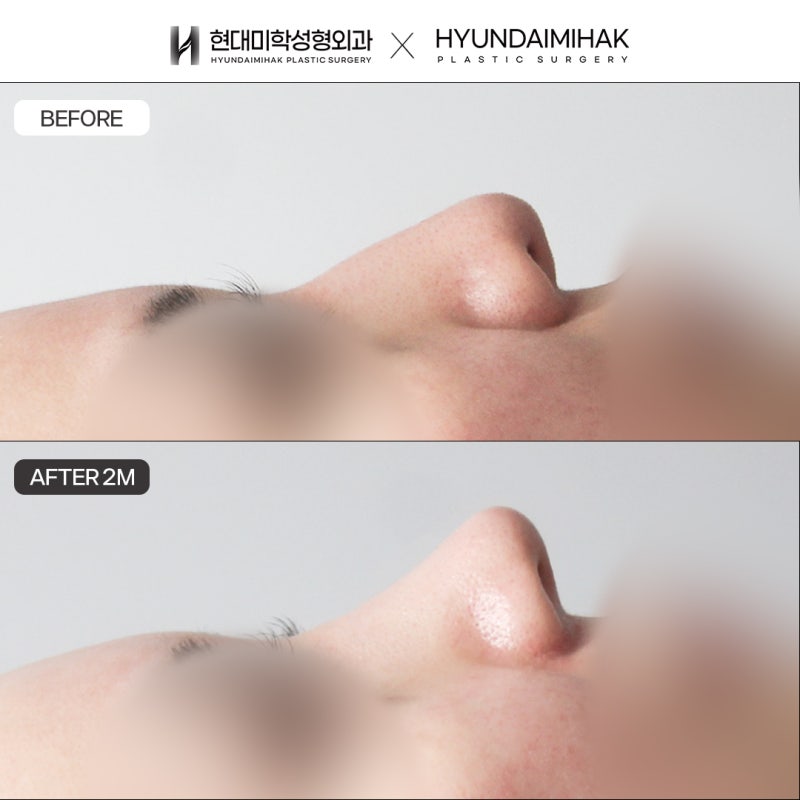
Nasal tip cartilage repositioning, on the other hand, is not a method of tying the cartilage, but a surgical technique that corrects the shape and height of the nasal tip by resetting the position of the cartilage. Conversely, surgery that returns the cartilage to its original position may also be referred to as nasal tip cartilage repositioning. It may be helpful to understand that repositioning and suturing differ in these surgical methods. The advantages of surgery that repositions the nasal tip cartilage include more natural nasal tip movement after surgery, the possibility of improving the shape of the nostrils, and the ability to adjust the height of the nasal tip.
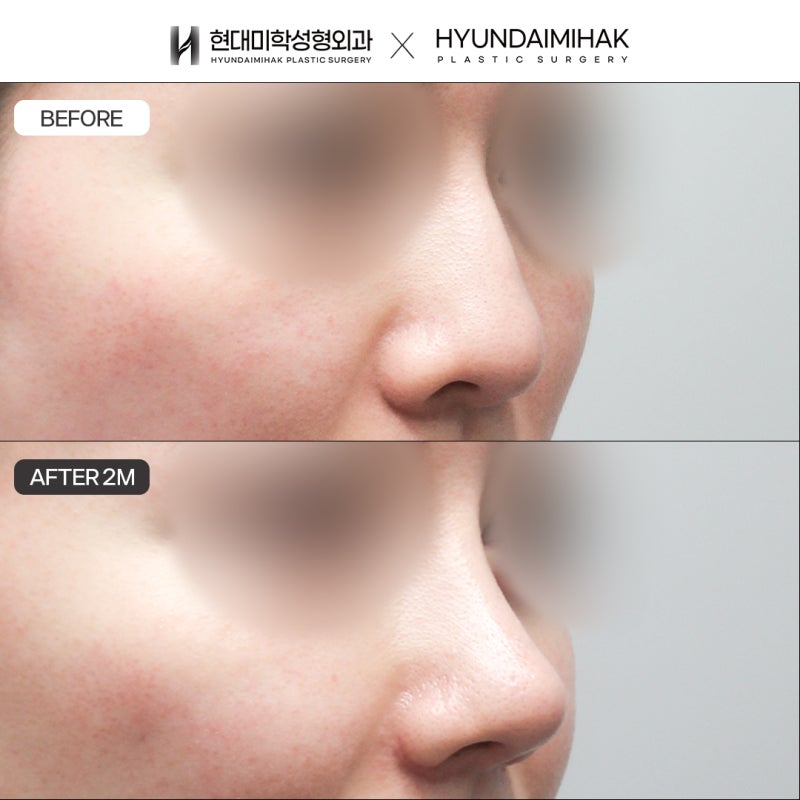
The most important aspect of rhinoplasty and revision rhinoplasty is consultation with a specialist. It is recommended to receive an accurate diagnosis based on CT imaging, identify exactly what problems have occurred in your nose after the previous rhinoplasty, and then proceed with revision surgery. Also, if you have previously undergone rhinoplasty and are considering revision rhinoplasty, the timing of the revision is inevitably important. For the safety of the surgical area, revision surgery is generally recommended after at least 6 months to 1 year has passed. Since it is best to follow a specialist’s guidance for the exact timing, we recommend first receiving a consultation and then planning when it would be appropriate to proceed with revision rhinoplasty or nasal tip cartilage repositioning.
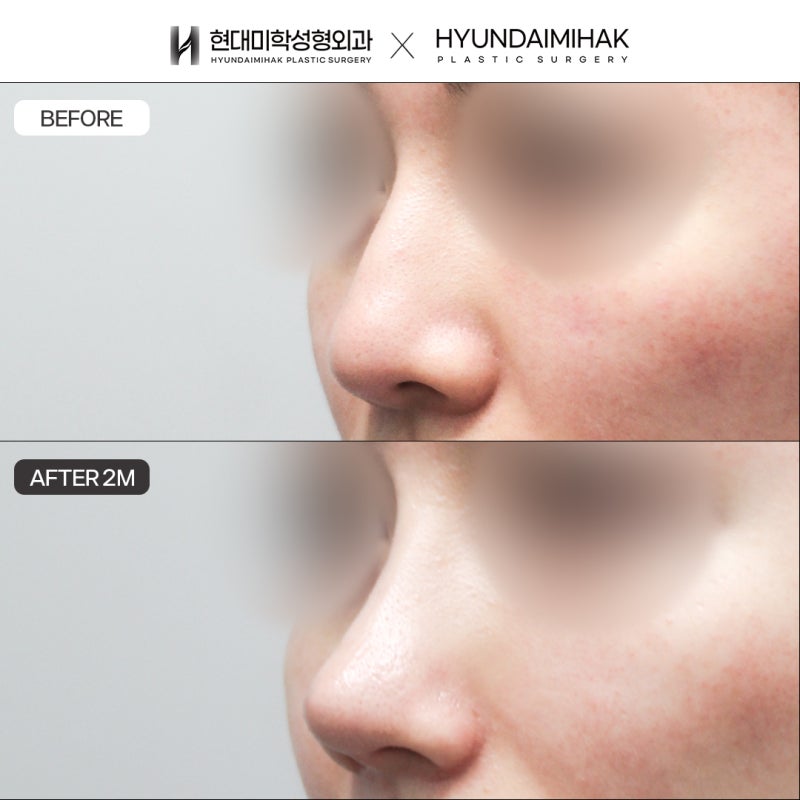
After rhinoplasty, many people tend to think that changes in the height or shape of the nasal bridge contribute most to changes in the overall impression. However, the shape and definition of the nasal tip can unexpectedly play a major role in determining the impression and changing the overall image and atmosphere. If you are considering nasal tip cartilage repositioning or revision nasal tip surgery, it is advisable to aim for results that take overall harmony into account through redesign that considers the nasal bridge, nasal tip, facial proportions, and midface. Also, when undergoing nasal tip surgery, many patients pay close attention to the shape, length, and height of the nose. If you are looking for a revision rhinoplasty clinic because your nasal tip looks too low or too high, or because it did not improve despite surgery, it may be helpful to entrust your consultation and surgery to a specialist with extensive experience in revision rhinoplasty in order to meet these needs and achieve satisfying results. Thank you.