Reasons for tip revision surgery can vary, including changes in shape Hyundai Aesthetic Surgery
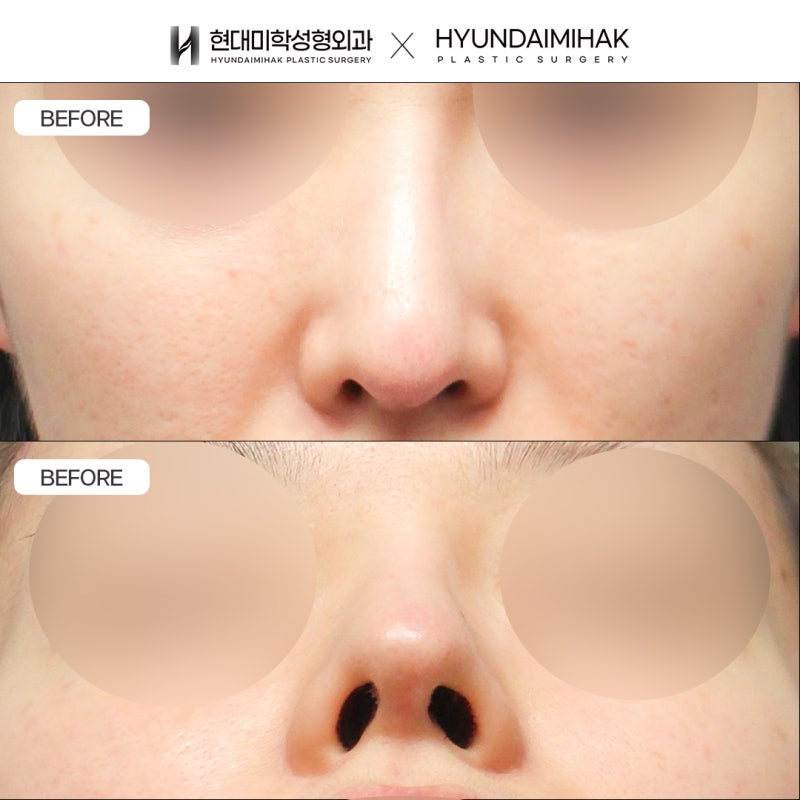
Hello, this is Hyundai Aesthetic Surgery. Even after rhinoplasty, many people look into revision rhinoplasty for a wide range of reasons. The cases vary, including situations where the desired improvement was not achieved after rhinoplasty or where revision surgery is considered due to changes in the shape of the nasal tip. Some patients also consider revision surgery by looking separately at the nasal bridge and nasal tip, such as bridge revision surgery or nasal tip revision surgery. Among these, today we would like to focus on nasal tip revision surgery, as many people are considering revision of the tip only.
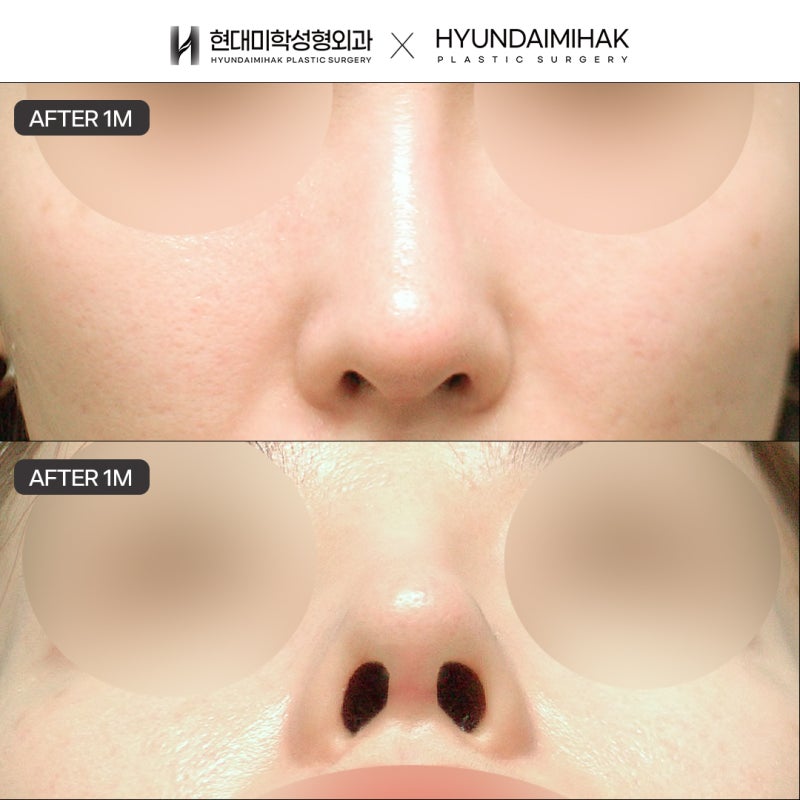
Common reasons for revision rhinoplasty include issues with implants inserted during the previous surgery, or cases where the size of the implant itself is not suitable for the nose. There are also cases where revision surgery is considered due to side effects such as inflammation or contracture that developed later. Among the many reasons for considering nasal tip revision surgery, the most significant cause can be changes in the shape of the nasal tip, such as the nasal tip or columella becoming crooked. However, the more revision surgery is repeated, the more difficult and complex it can become. For this reason, it is important to complete the surgery properly in one procedure whenever possible.
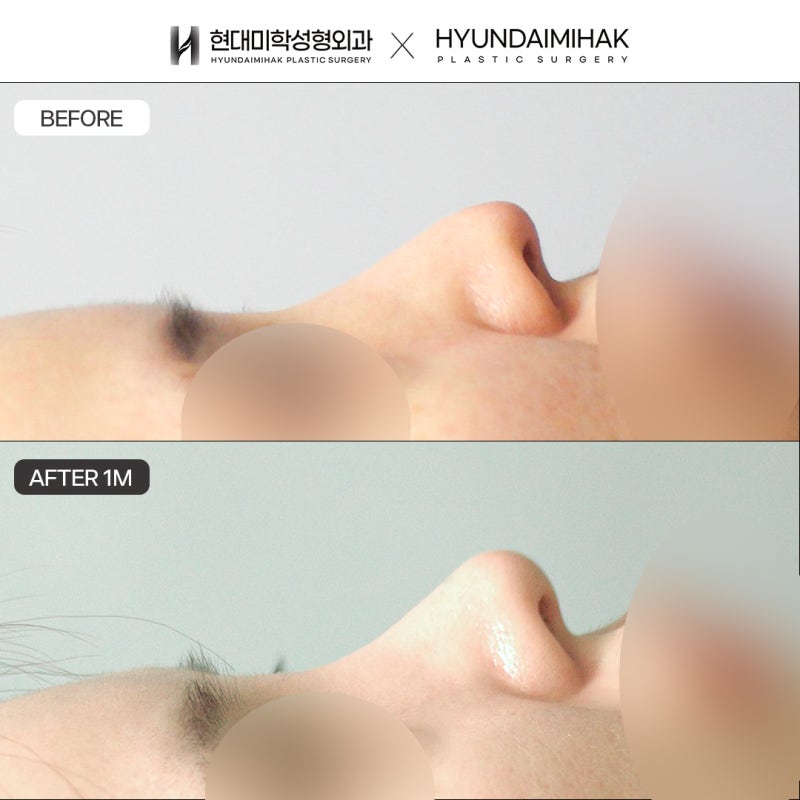
Also, if it has been more than 10 years since the previous rhinoplasty, the case may inevitably become more complex due to advances in surgical techniques over that time. If this applies to you, it is advisable to visit a specialized clinic as soon as possible and receive a detailed consultation. Another topic many people are curious about is the materials used in nasal tip revision surgery. For the nasal tip, autologous tissues such as septal cartilage, ear cartilage, and rib cartilage are mainly used. If contracture is present, we generally tend to recommend strong rib cartilage.
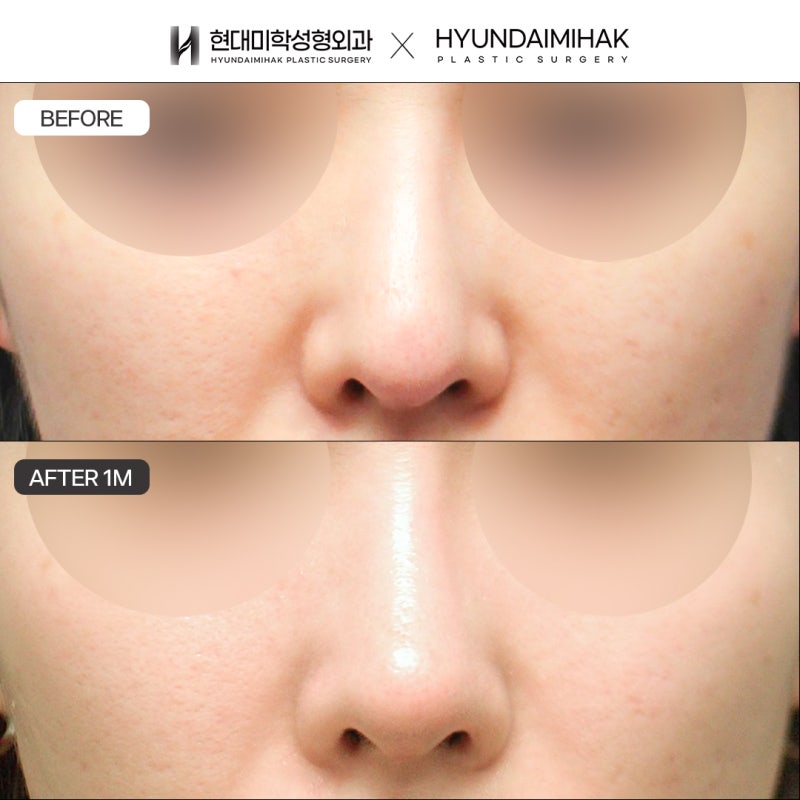
Septal cartilage is popular because the cartilage itself has good compatibility and helps minimize scarring. Ear cartilage is a material that can be grafted without a foreign-body sensation and has good elasticity. It is especially often used in primary rhinoplasty. Patients who have previously undergone nasal tip surgery using autologous cartilage may also wonder whether the cartilage can be reused. Whether cartilage can be reused will likely depend on the desired shape of the nasal tip.
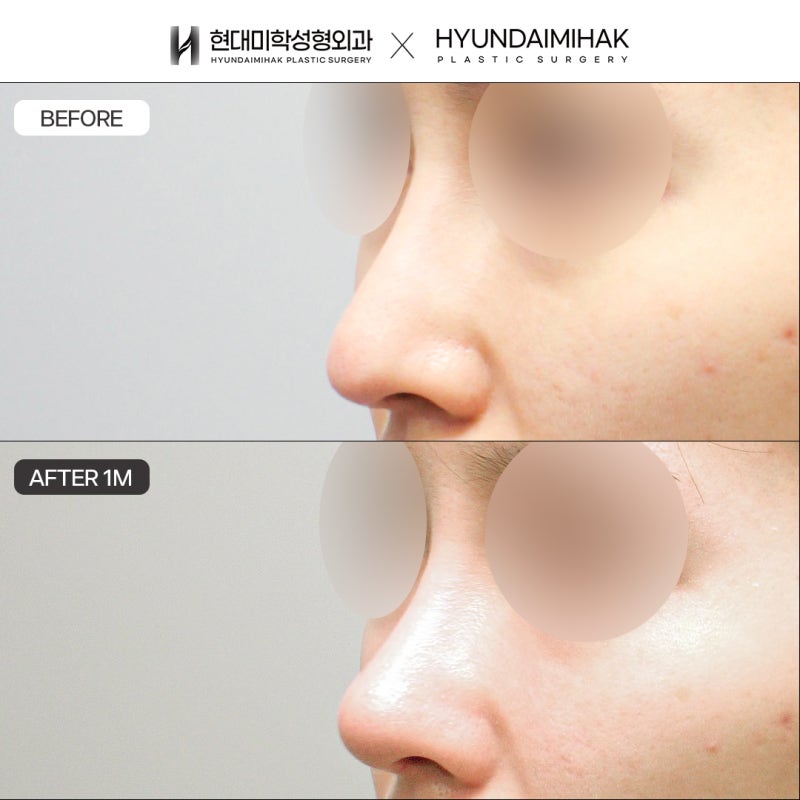
For nasal tip revision surgery, regardless of the cause, only consultation and examination can provide an accurate answer. Therefore, for specific questions, it is best to visit the clinic, have photos taken from the front, 45-degree angle, side, and columella area, and receive an accurate evaluation through 3D CT. Also, if you are considering nasal tip revision surgery, it is advisable to proceed at a medically appropriate time while considering your schedule, such as when you can return to daily life and how many follow-up visits may be needed.
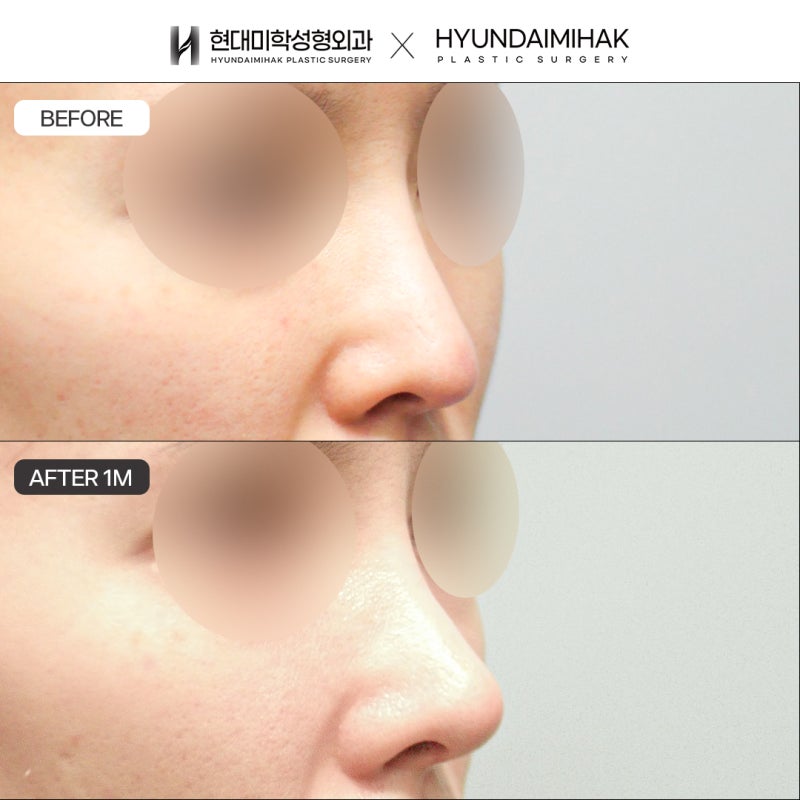
When looking for a clinic for nasal tip revision surgery, it is important to check how much cases similar to yours have improved, but it can also be helpful to review what kinds of aftercare are provided. In general, postoperative care may include swelling laser treatment, swelling-reducing injections, and various other options. Since aftercare programs for nasal tip revision surgery differ from clinic to clinic, checking whether the facilities and programs are well prepared can be helpful. Thank you.