Types of eye-enlarging surgery and how to manage recovery
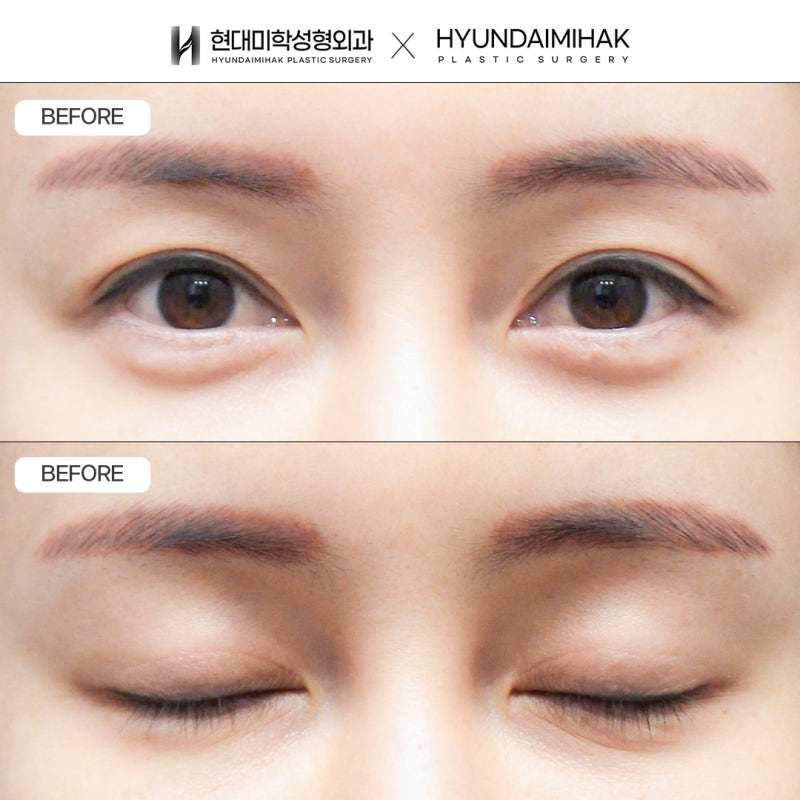
Hello, this is Hyundai Aesthetic Surgery. For first-time eye surgery, canthoplasty is often mentioned and performed as one of the most popular procedures after double-eyelid surgery. Canthoplasty refers to a surgical procedure designed to widen small or stuffy-looking eyes. It is well known as an eye-enlarging surgery that creates a more open, refreshed eye shape by performing canthoplasty on the desired area, such as the inner or outer corner of the eye. Types of canthoplasty include medial epicanthoplasty, upper epicanthoplasty, lateral canthoplasty, and lower canthoplasty, while full canthoplasty refers to combining all of these procedures.
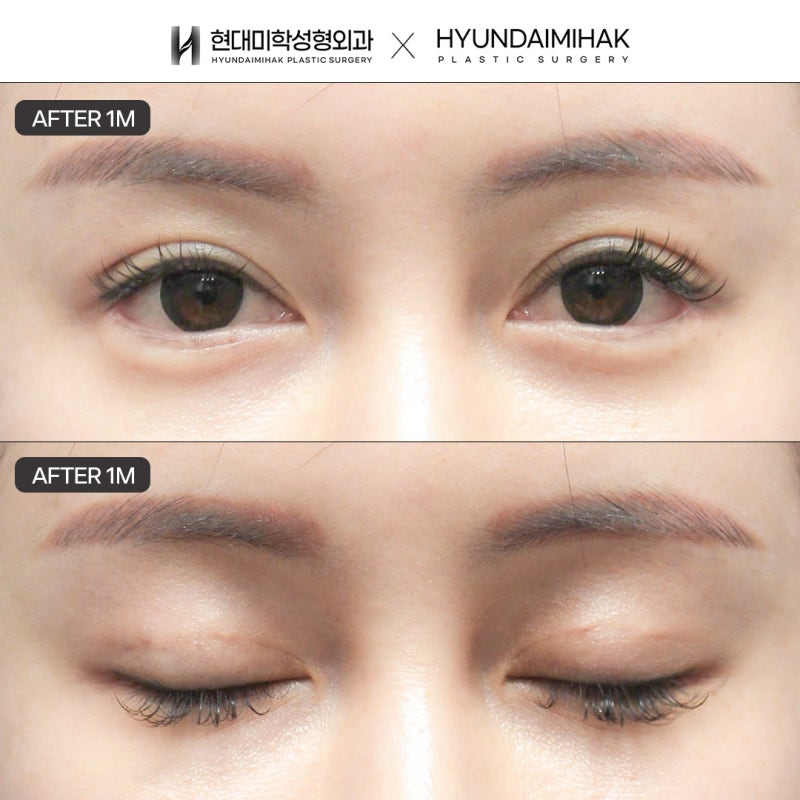
Canthoplasty procedures involving the inner corner of the eye include medial epicanthoplasty and upper epicanthoplasty. In cases where the inner corner of the eye appears closed, or where the eyes are far apart and the glabella is wide, medial and upper epicanthoplasty can be performed together to delicately control the degree of lacrimal caruncle exposure and improve the eyes into a more open, refreshed shape. Aside from these medial-upper canthoplasty procedures, there are lateral canthoplasty and lower canthoplasty, which involve the outer corner of the eye. For upturned outer eye corners or eyes with a narrow horizontal width, lateral and lower canthoplasty can be combined to improve the shape. This is called dual canthoplasty or lateral-lower canthoplasty, and it is also known as an eye-enlarging surgery.
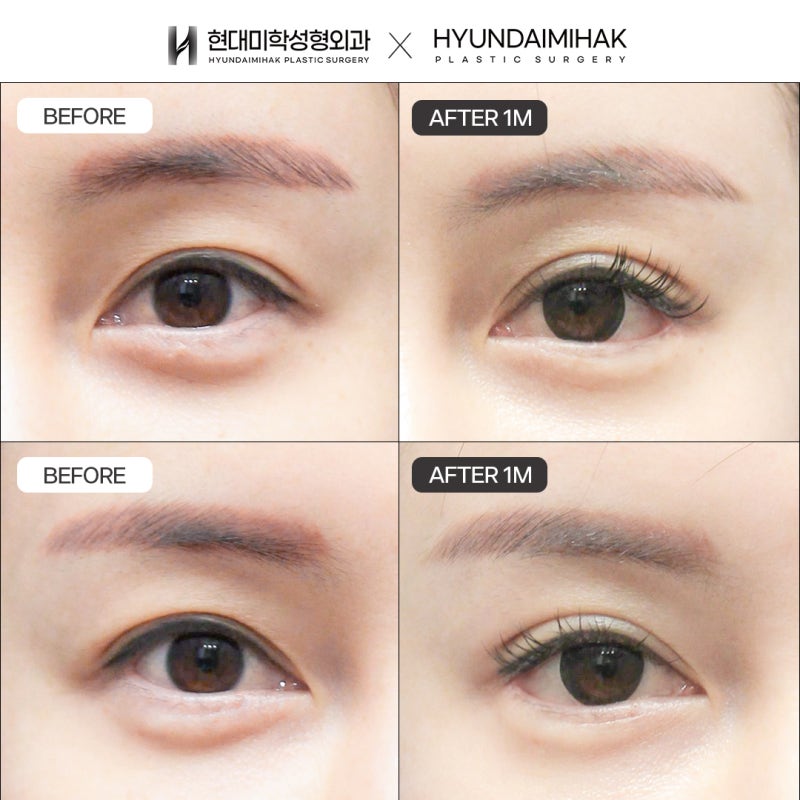
In particular, we receive many inquiries about eye-enlarging surgery from patients who feel their eyes look too close together, have small shell-like eyes, or want to improve the size of eyes that look stuffy. Therefore, we would like to discuss topics many people are curious about, including the advantages and disadvantages of lateral-lower canthoplasty, possible side effects, surgical methods, the timing of stitch removal, and precautions after surgery. Dual canthoplasty, which combines lateral and lower canthoplasty, improves the horizontal width of the eyes and adjusts the angle of the outer eye corner to soften a sharp-looking eye shape. In other words, it is one of the procedures that can greatly affect complexes and changes in overall image.
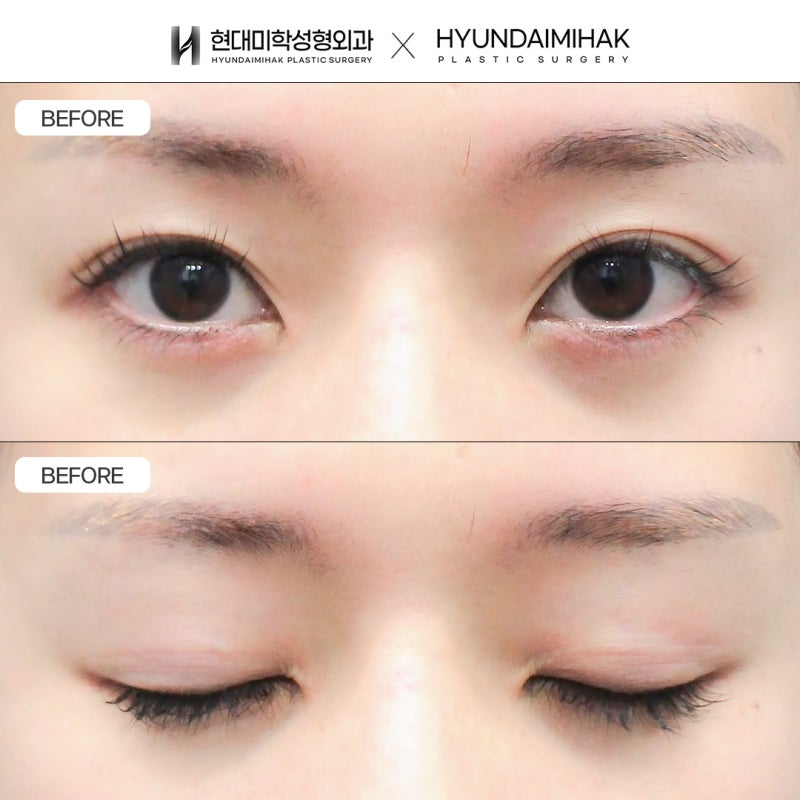
However, if lateral-lower canthoplasty is performed incorrectly, the effect may be insufficient and the area may reattach, or the eyes may be opened excessively. This can lead to side effects such as a D-shaped or C-shaped deformity, conjunctival exposure, step-like scarring, eyelid ectropion (mucosal eversion), dry eyes, pain, and other complications. In such cases, reconstruction through lateral canthoplasty revision may be necessary, so this is a procedure that requires careful decision-making from the outset. For this reason, it is most important to entrust the procedure to an experienced specialist with a wide range of canthoplasty cases.
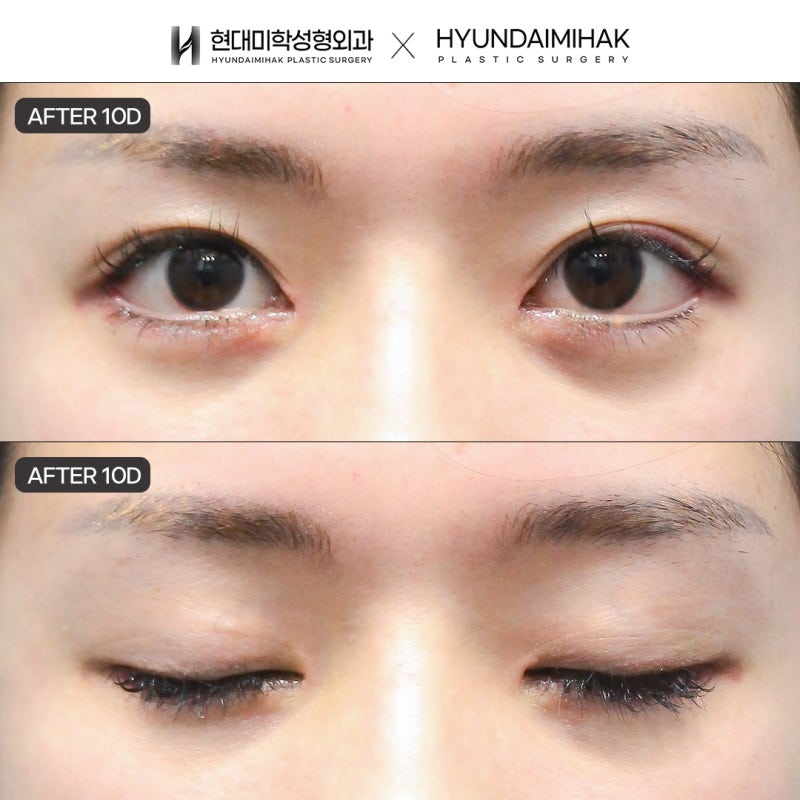
After lateral-lower canthoplasty, stitches are usually removed within 7 days, and washing the face is possible after removal. The recovery period for bruising, swelling, bleeding, and similar symptoms may vary depending on each individual’s condition. After eye surgery, it is best to avoid touching or applying impact to the surgical area as much as possible, and cold and warm compresses should be used according to the instructions provided by the hospital where the surgery was performed. Lateral-lower canthoplasty, an eye-enlarging surgery, may be performed differently depending on each specialist.
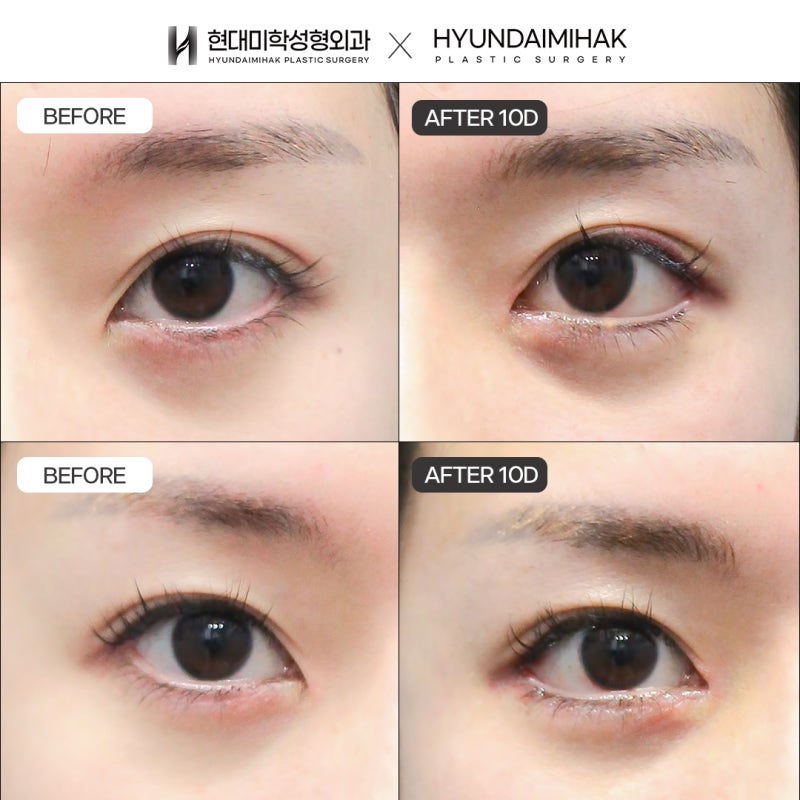
Depending on the specialist’s delicacy and skill, surgical methods and outcomes may vary according to the incision method, the way lateral-lower canthoplasty is fixed, the suturing technique, and other factors. For a successful surgery, it is naturally important to choose a specialist with extensive surgical experience and a high level of understanding of the anatomical structure of the eyes, who can carefully examine the condition of the eyes and facial bone structure and recommend an eye-enlarging surgical method suited to each individual. Thank you.