Medial Epicanthoplasty Revision: How to Recover from a Failed Medial Epicanthoplasty
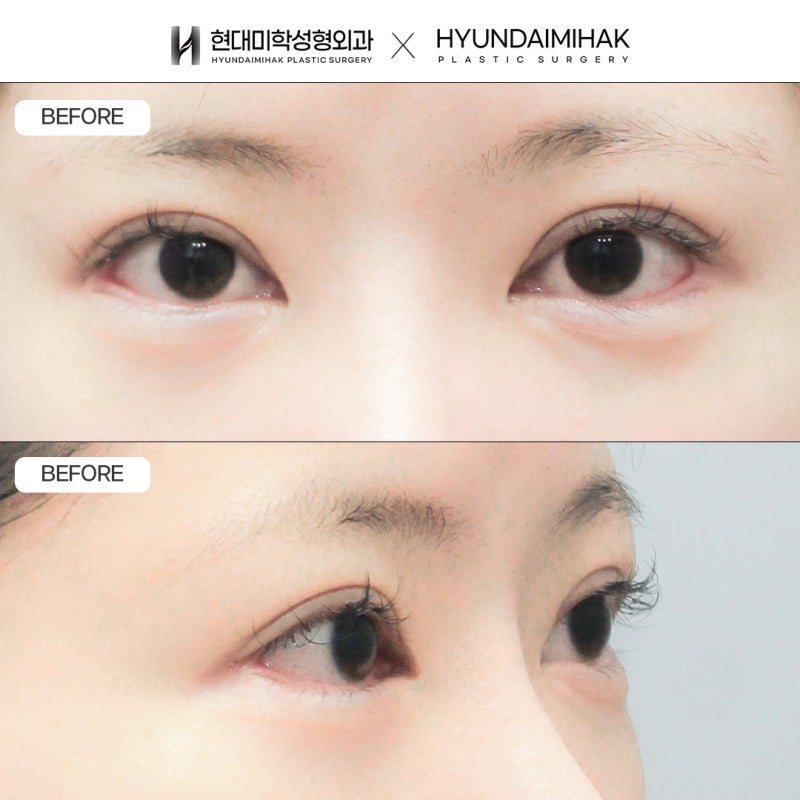
Medial epicanthoplasty is one of the procedures commonly performed in the field of cosmetic surgery today, and it is usually done together with double-eyelid surgery. This procedure removes the epicanthal fold at the inner corner of the eye and adjusts the distance between the eyes, helping the eyes appear clearer and more defined. However, as this surgery has become more popular, related side effects have also increased. Many people become concerned about an unnatural eye shape after medial epicanthoplasty, and more patients are seeking restoration or revision surgery as a result.
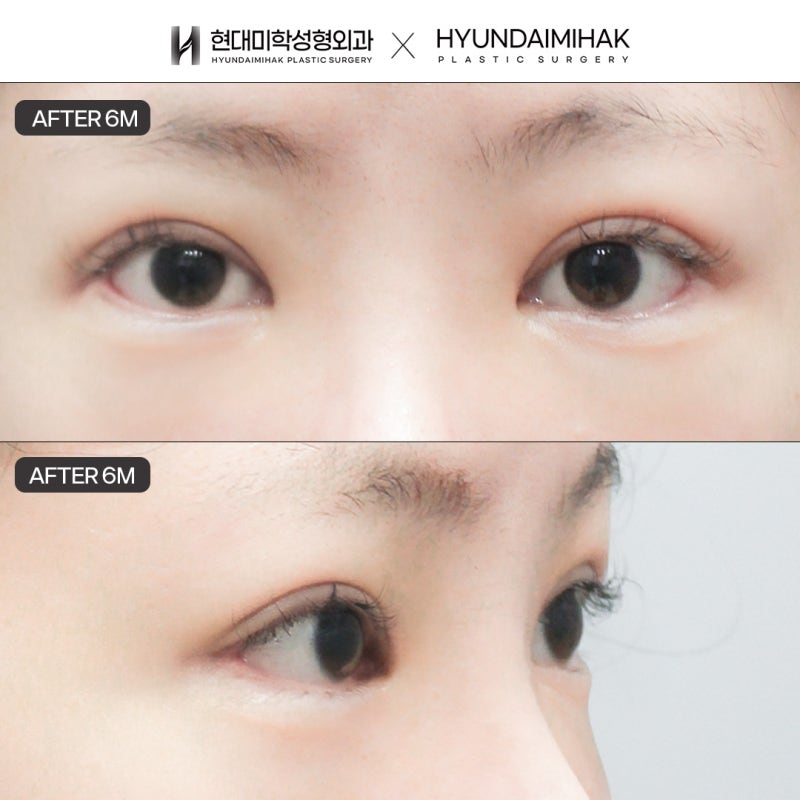
The main purpose of medial epicanthoplasty is to open the epicanthal fold and slightly reveal the tear trough area, making the eyes look larger. However, excessive medial epicanthoplasty can make the eyes look sharp or even too close together. In such cases, medial epicanthoplasty revision surgery may be necessary. This procedure covers the tear trough area again and restores part of the epicanthal fold, helping return the eyes to their original natural appearance.
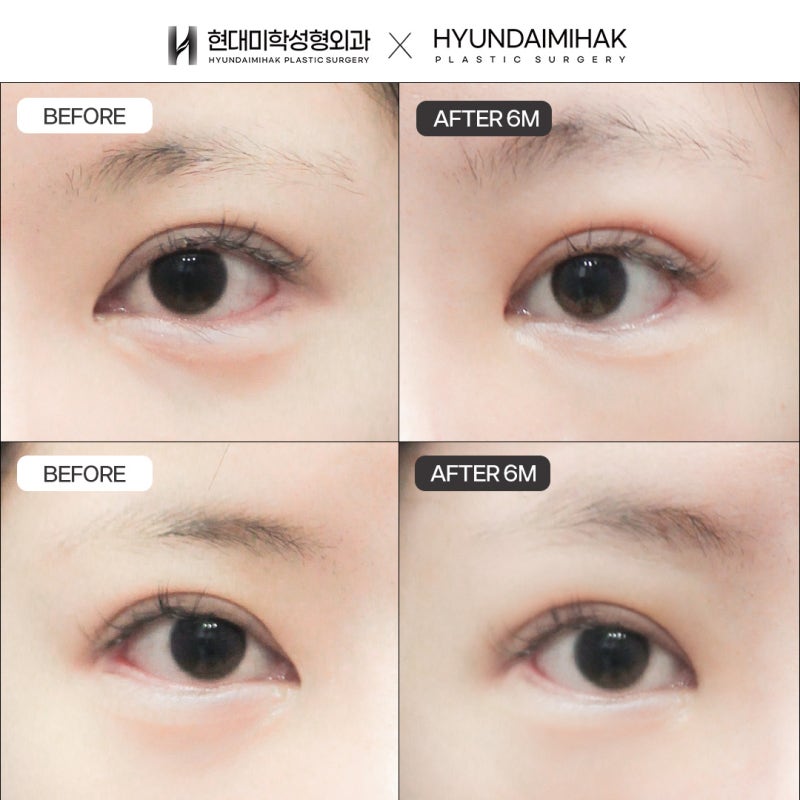
Medial epicanthoplasty revision surgery is not simply about returning the eyes to their previous state. Each person has a different surgical history and current eye condition, so these factors must be carefully analyzed and the procedure customized accordingly. If the focus is placed only on restoration without proper consideration, there is a risk of creating an even more unnatural eye shape. For example, if excessive medial epicanthoplasty has exposed too much tissue at the inner corner of the eye, it is important to restore symmetry and recreate a natural line.
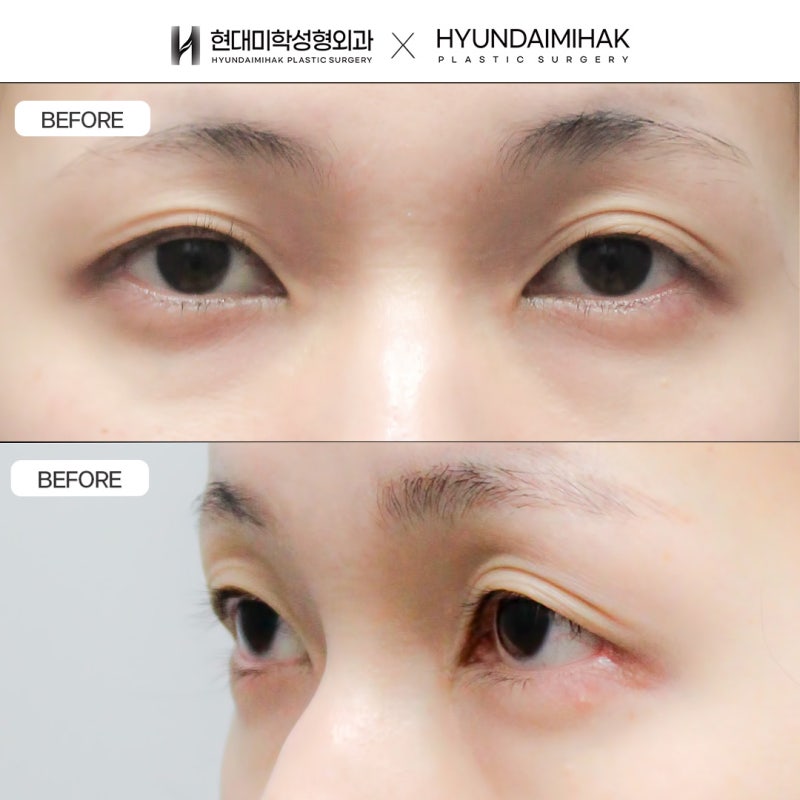
During medial epicanthoplasty revision surgery, an incision is made along the shape of the inner corner of the eye, the skin is dissected, and the problematic epicanthal fold is smoothly repositioned. The goal is to create a natural-looking eye shape through this process. If there is existing scarring, it is necessary to release adhesions in the scar tissue and minimize wrinkle lines and scars so they are less visually noticeable.
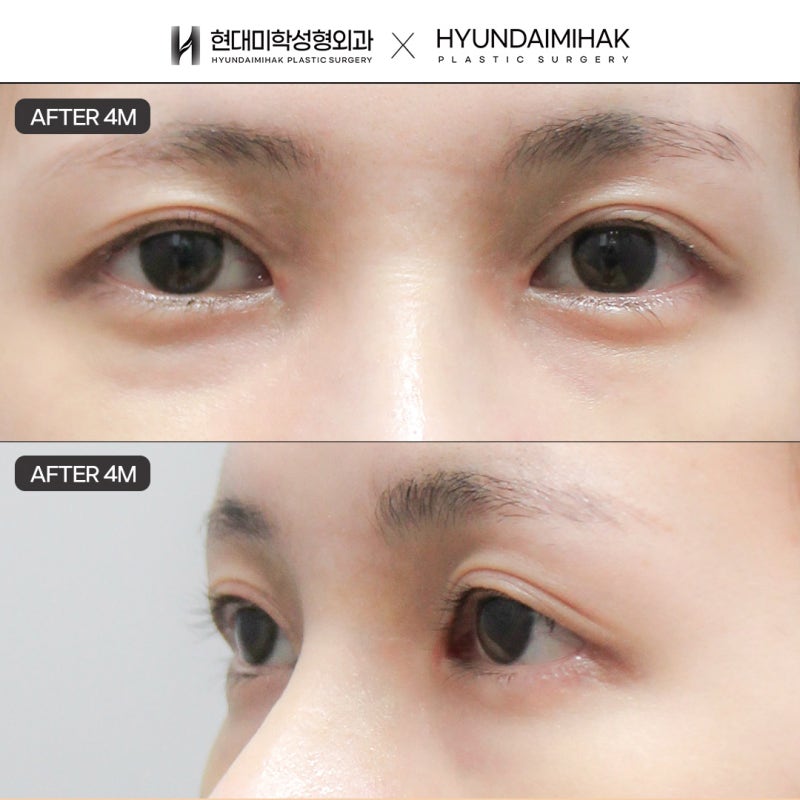
Although 100% restoration after surgery may not be possible, it is important to consult with the medical team and thoroughly discuss the eye shape you want. Through this consultation process, a design can be planned to reflect each patient’s individual needs. The key is to identify the cause of failure from the previous surgery and proceed with an appropriate degree of restoration. To achieve the desired outcome, it is important not to rely only on price or reviews, but to consult with medical professionals who have extensive surgical experience and anatomical knowledge.
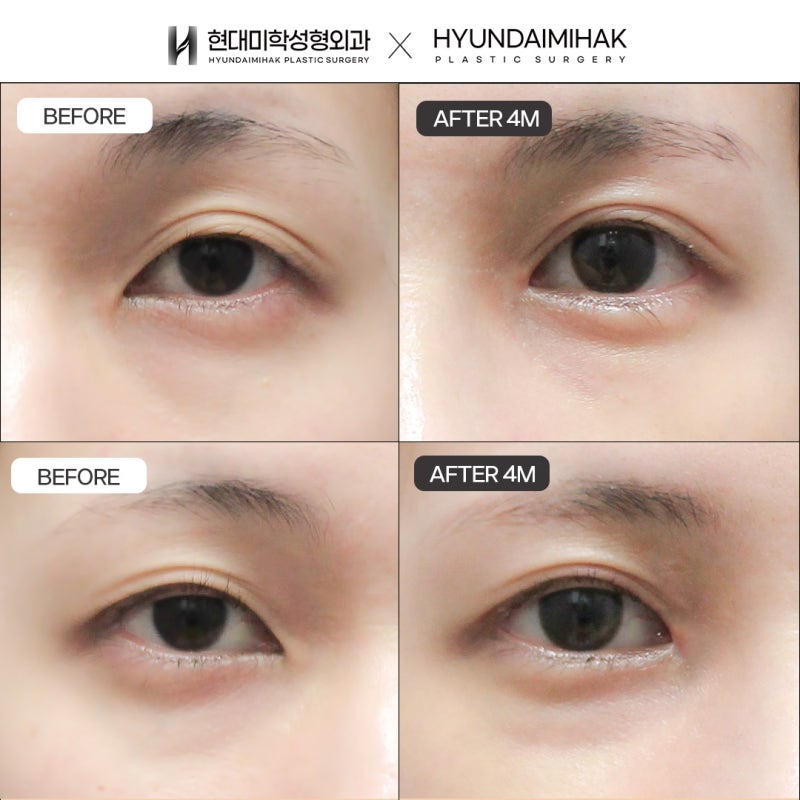
Medial epicanthoplasty can bring significant cosmetic changes, but revision may be needed due to side effects or unwanted results. In particular, to restore a natural and beautiful eye shape through medial epicanthoplasty revision surgery, a careful approach tailored to the individual’s condition is necessary. It is always important to have a thorough consultation with a specialist to find the best method for you, and making decisions with accurate information throughout the medial epicanthoplasty revision process will lead to successful results. At Hyundai Aesthetic Surgery, our specialized medical team takes responsibility for safe procedures and supports you through every step. This has been Hyundai Aesthetic Surgery. Thank you.