Understanding the Straight-Slightly Curved Line and Various Nose Line Types
Hello, this is Hyundai Aesthetic Surgery. Among patients considering rhinoplasty, some come to me for consultation because they want to know what kind of nose line would suit them best. They often look up information about nose lines online and ask which nose shape might be right for them. The most commonly known nose lines include the straight nose, the beoseon-style nose, and the straight-slightly curved beoseon-style nose. Today, we will look at a case of straight-slightly curved line rhinoplasty, which is one of the most preferred nose shapes among patients, and learn more about different nose lines. First, understanding the straight nose, beoseon-style nose, semi-beoseon nose, and straight-slightly curved beoseon nose can be very helpful.
First, let’s look at the straight nose and semi-beoseon nose, which are broadly classified according to whether there is a curve. A straight nose refers to a nose line that falls in a straight, linear shape. The straight nose is especially preferred by men who want refined and natural-looking rhinoplasty rather than a glamorous nose line. Patients who prefer a nose line that emphasizes the nasal bridge or who like a nose with a more androgynous appeal often bring in many reference photos of this type of nose line. In contrast, the beoseon-style nose, where the curved shape is more noticeable, is named after the curved line of traditional Korean beoseon socks and is the nose line in which the curve stands out the most. The more the curve is emphasized, the more glamorous the nose tends to look.
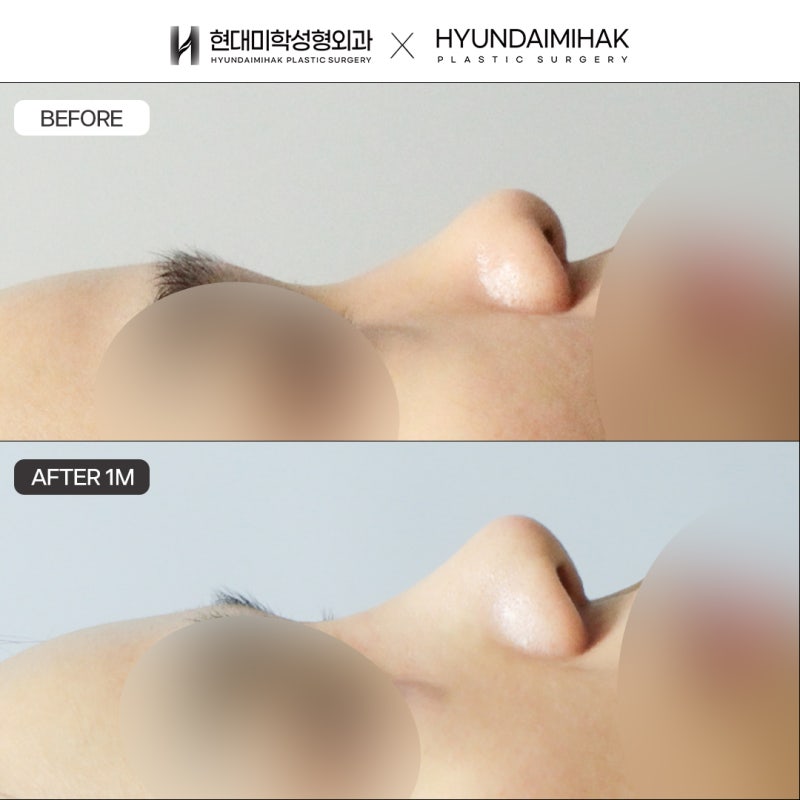
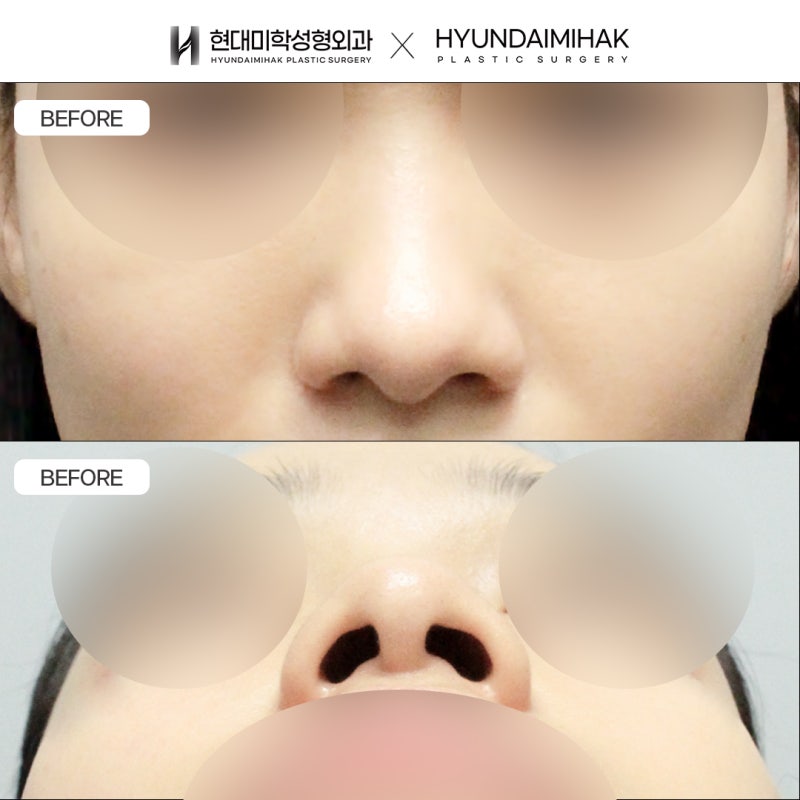
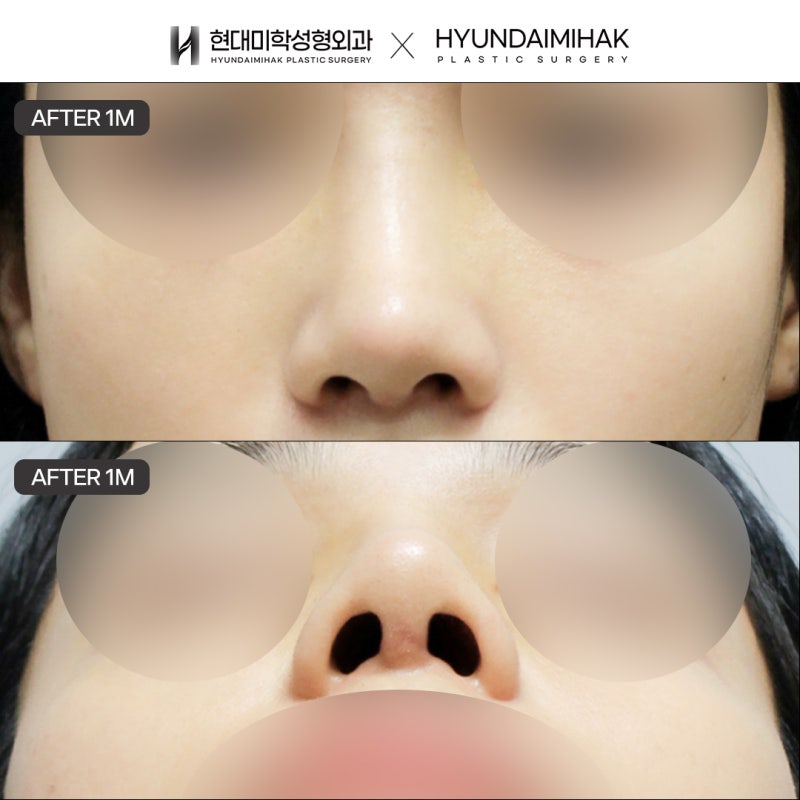
Then, what is the straight-slightly curved line nose that patients who come to me for rhinoplasty most commonly prefer? It refers to a nose line that falls between a straight line and a beoseon-style line. This nose line reflects the needs of many Korean patients who want a look that is both natural and refined yet somewhat glamorous. The straight-slightly curved line is not biased too much toward either a curve or a straight line, creating a nose line that does not feel excessive, so many patients refer to this type of nose photo when considering rhinoplasty. In the case above, which I personally performed, you can also see from the before-and-after difference a straight-slightly curved line nose that combines both straight and curved elements.
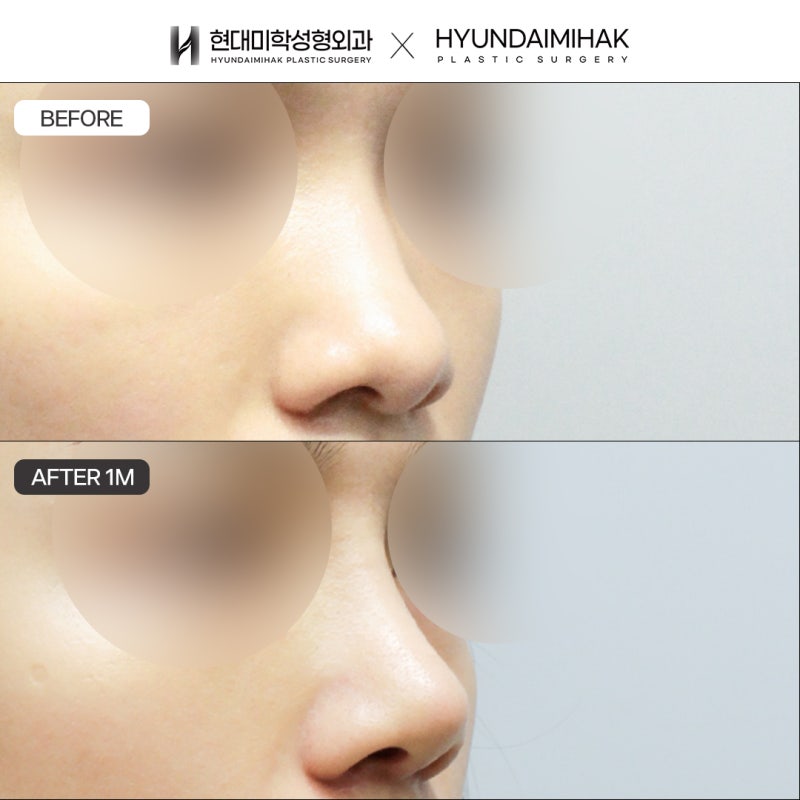
This patient wanted natural and smooth straight-slightly curved line rhinoplasty due to a nose that appeared wide to the eye, a bulbous nose, a long columella, and an uneven nasal dorsum. Rhinoplasty was performed using silicone for the nasal bridge and autologous rib cartilage for the nasal tip. To create the desired nasal bridge, we selected nasal silicone of about 3 mm, and to support the nasal tip, which appeared droopy due to the long columella, we used autologous rib cartilage, which is relatively resistant to drooping among autologous cartilage options. In addition, columella correction and bulbous nose correction were performed together to improve the long columella. I am glad that after rhinoplasty, the patient was satisfied with the smoother nasal bridge.
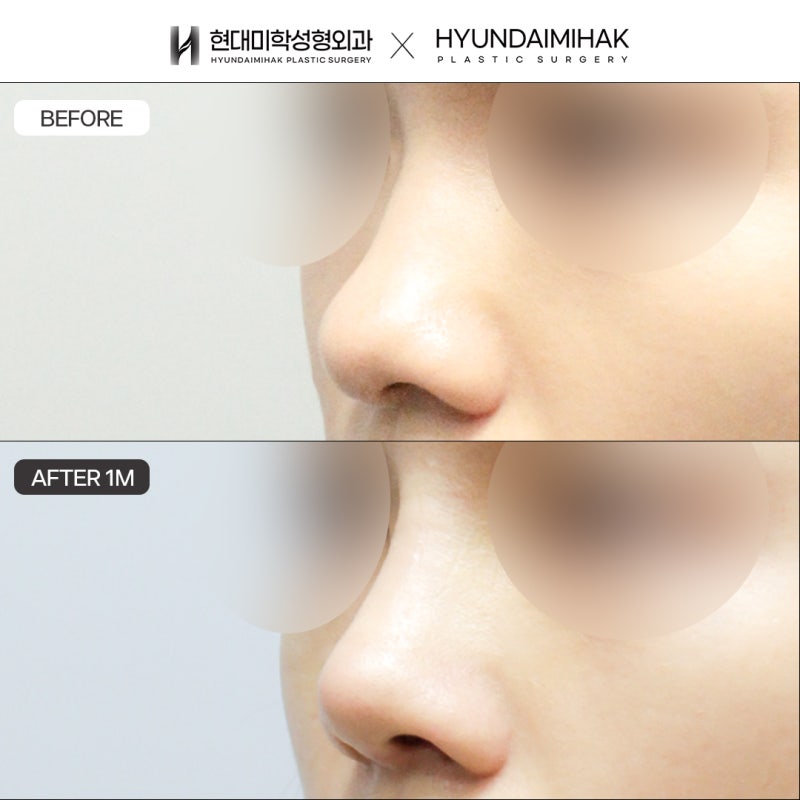
As such, finding a nose line that suits you is important, but becoming too fixated on the nose line can blur the true purpose of rhinoplasty. What matters more than the nose line is identifying the nasal materials that are right for you and proceeding only with the surgeries that are necessary. Therefore, it is best to visit the clinic, receive a consultation or diagnosis of your nose condition, and ask a specialist how the surgery should be planned. Also, if you want straight-slightly curved line rhinoplasty, saving reference photos for your consultation can be helpful. If you have not found a nose line that suits you, you may request a consultation with me, and after a professional nose diagnosis, I will guide you toward an appropriate design. Thank you.