Hyundai Aesthetic Surgery
Gangnam Revision Rhinoplasty: Identifying the Causes of Failure and Resculpting the Nose

Hyundai Aesthetic Surgery
2025. 3. 20. 11:06
Add Neighbor Other Post Functions Adjust post font size View post in smaller font View post in larger font A Share Copy URL Report
Gangnam Revision Rhinoplasty: Identifying the Causes of Failure and Resculpting the Nose
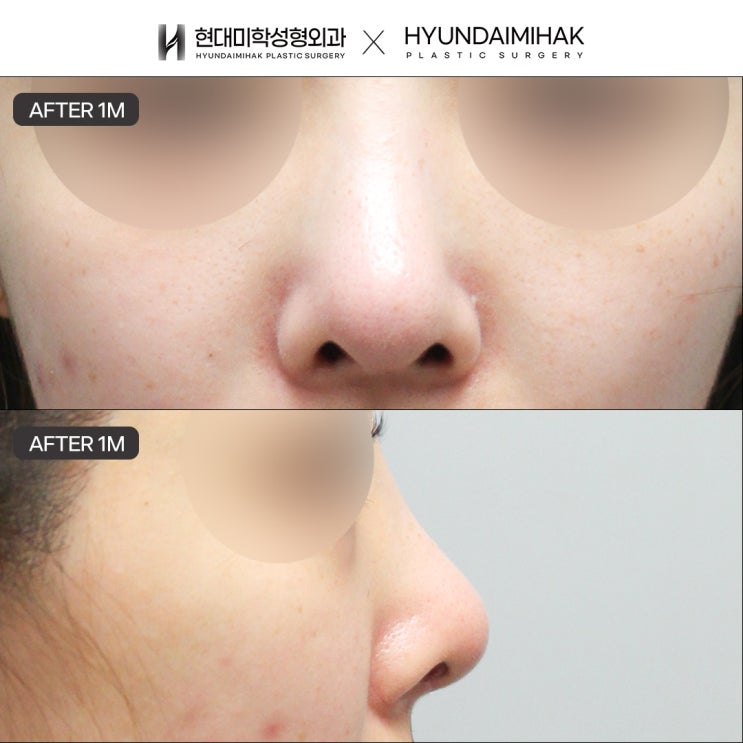
Hello, this is Hyundai Aesthetic Surgery. Most people who consider nose surgery once again are either dissatisfied with the results of their first surgery or want correction because changes have developed over time. Because the nose is located at the center of the face, even a small change can greatly affect the overall impression, so surgery should be approached with care. In particular, problems may occur when implants or cartilage used in the previous surgery are incorrectly positioned, or when contracture causes the nasal tip to lift or the nose to become shorter. In these cases, what is needed is not a simple revision surgery, but an accurate analysis of the cause and a customized solution suited to it. Gangnam revision rhinoplasty is not simply about changing the shape of the nose; it must also take functional aspects into account to achieve more satisfying results.
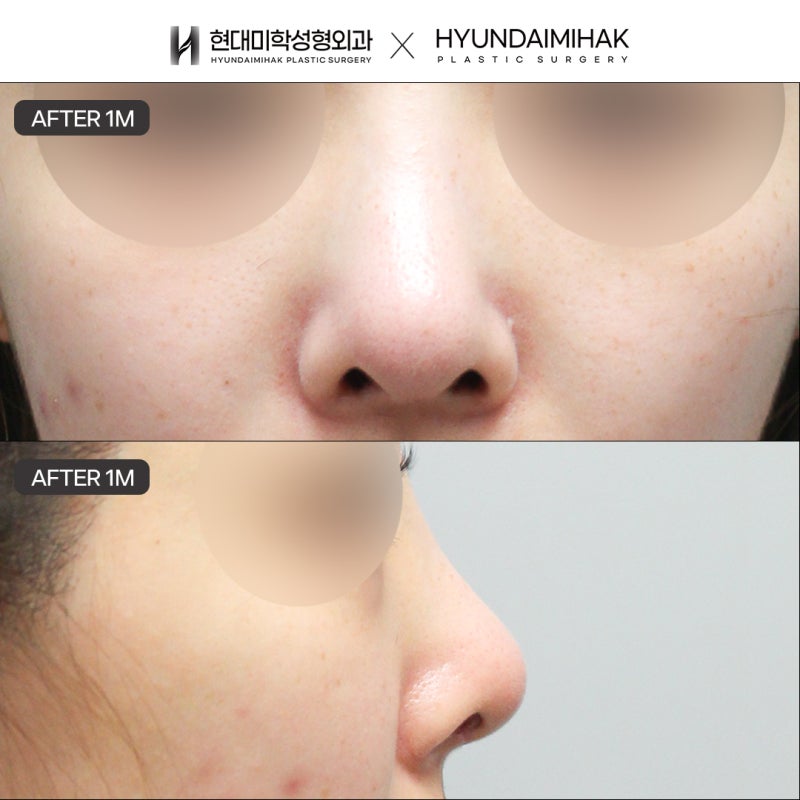
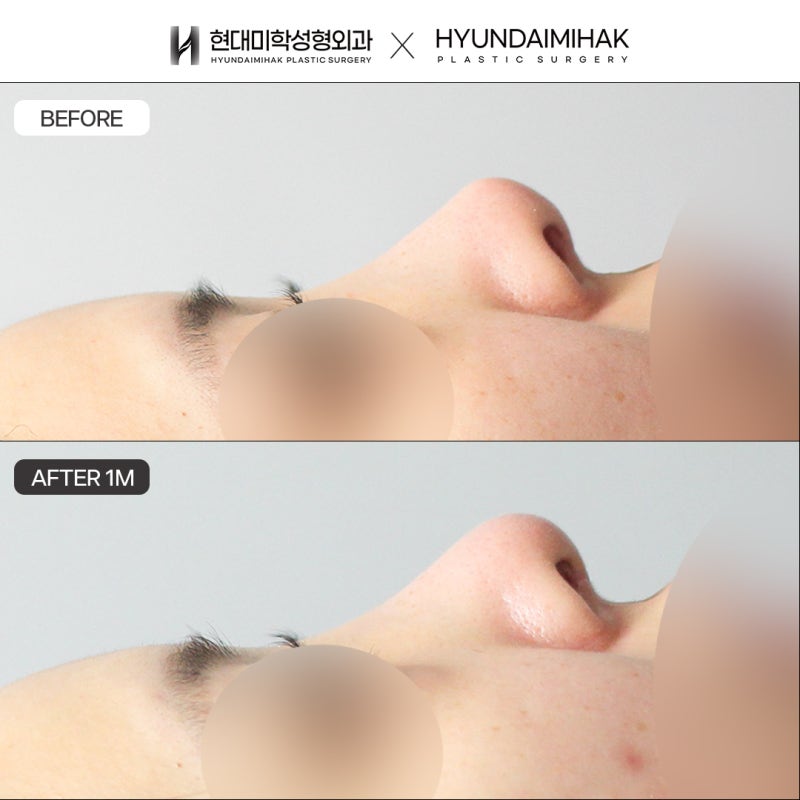
One common problem after the first surgery is that the implant becomes crooked, or the skin and tissues become thinner, causing the implant to show through. In addition, if contracture progresses, the nasal bridge may become shorter and upturned, disrupting facial balance. To address this, it is important to safely remove the existing implant and, when needed, use autologous cartilage to rebuild the nasal structure. Because autologous cartilage is biocompatible, it can reduce the risk of infection or rejection and is advantageous for creating a more natural nasal line. When performing Gangnam revision rhinoplasty, the plan should not simply change the appearance, but be carefully designed with consideration for the patient’s skin condition and tissue characteristics.
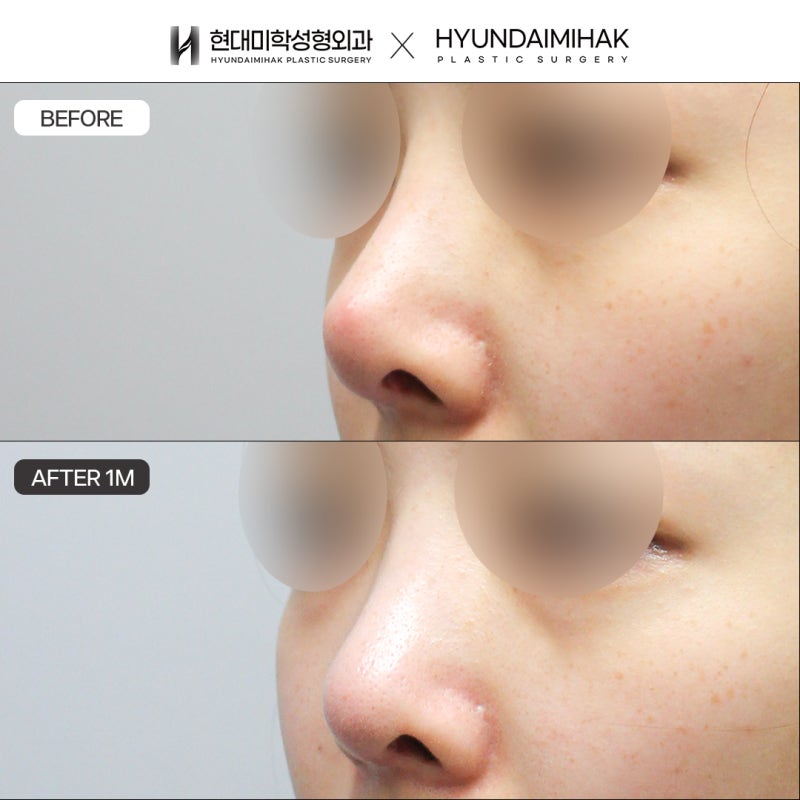
One important factor in deciding on revision surgery is the patient’s skin condition. If the skin has become thinner after the first surgery, inserting an additional implant may be difficult, and in such cases, using autologous tissue can be a good option. Using autologous cartilage can reduce the likelihood of contracture after surgery and allows the height and shape of the nasal tip to be controlled more stably. In particular, when rib cartilage is used, a firm structure can be maintained, allowing long-term satisfaction to be expected. When undergoing Gangnam revision rhinoplasty, careful consideration should be given not only to simple shape correction, but also to the skin condition and tissue response.
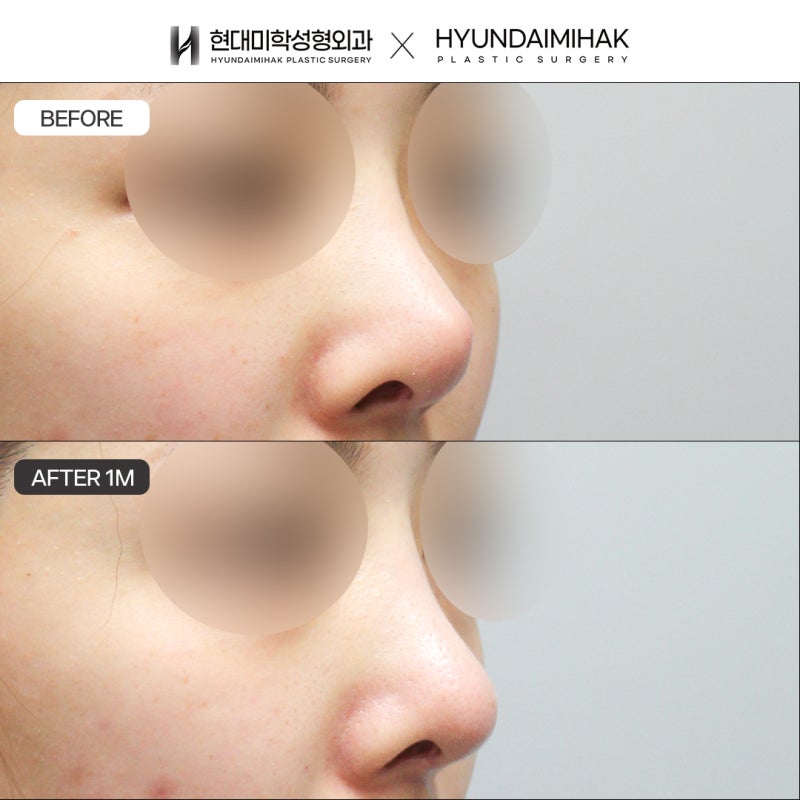
Another important element in revision rhinoplasty is the support structure of the nasal tip. If the support structure was not properly formed during the first surgery, the nasal tip may droop or lift over time. To prevent this, it is essential to create a firm structure through cartilage grafting. Ear cartilage or septal cartilage may be used for reinforcement, but depending on the case, using rib cartilage may be more effective. Rib cartilage is firm and less prone to deformation, so it has excellent long-term maintenance, and it is especially advantageous for more detailed adjustment of the nasal tip. When planning Gangnam revision rhinoplasty, a meticulous surgical plan is needed not only to improve the shape, but also to maintain stable results over the long term.
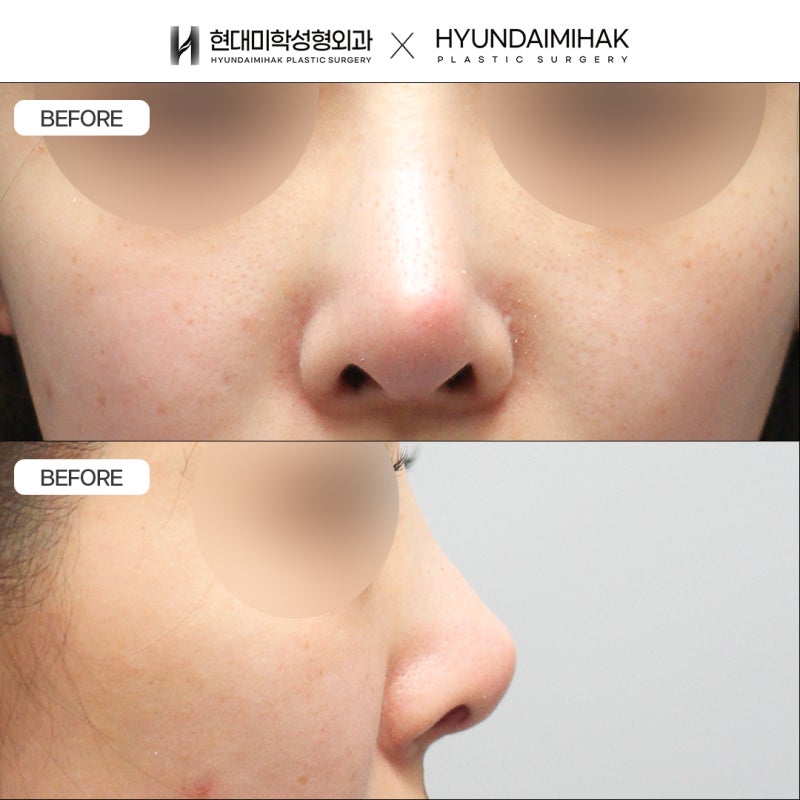
After revision surgery, the recovery process is very important. Because the final shape after nose surgery is completed as swelling subsides and tissues settle over time, it is difficult to judge the result based only on the appearance immediately after surgery. In particular, if there is a lot of scar tissue inside the nose or the skin is thin, swelling may last longer than expected during recovery, and the shape of the nose may also change accordingly. Therefore, after surgery, it is important to check progress regularly according to the medical team’s instructions and to manage swelling and scars thoroughly. Gangnam revision rhinoplasty is not simply for cosmetic purposes, but a process of stably restoring the function and structure of the nose, so attention to both preoperative and postoperative care is necessary to achieve satisfying results.
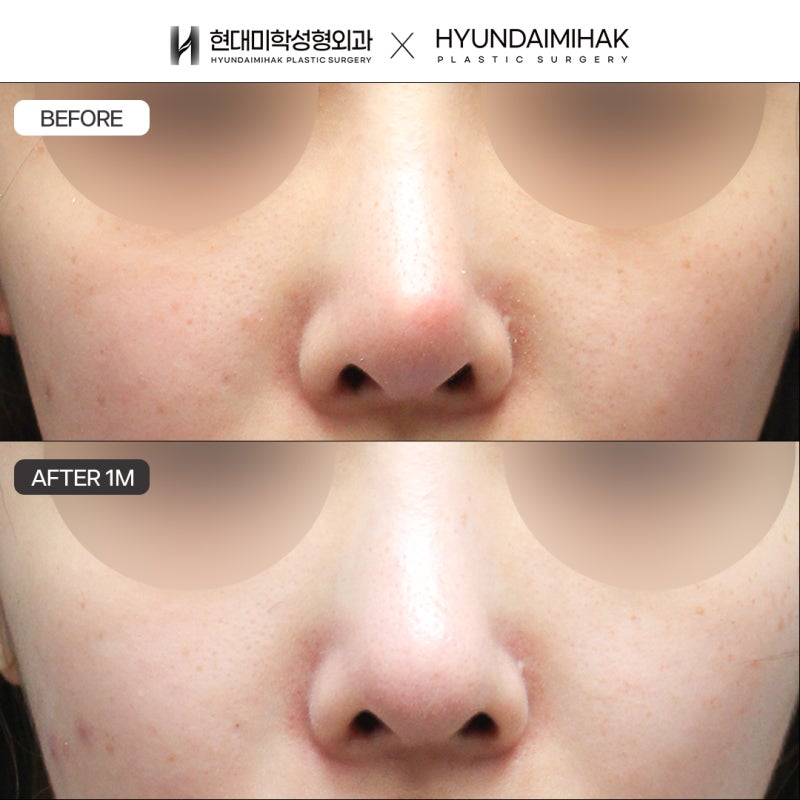
When deciding on surgery, the priority is to accurately understand the fundamental purpose of the surgery and your own condition. Sufficient consultation and diagnosis are needed to determine what problems occurred in the first surgery and which method is most appropriate for the current condition. For this, it is important to choose a surgical method that suits you after thorough consultation with an experienced medical team. Only by taking a careful approach that comprehensively considers the individual’s skin condition, tissue response, and desired design can the desired result be achieved.
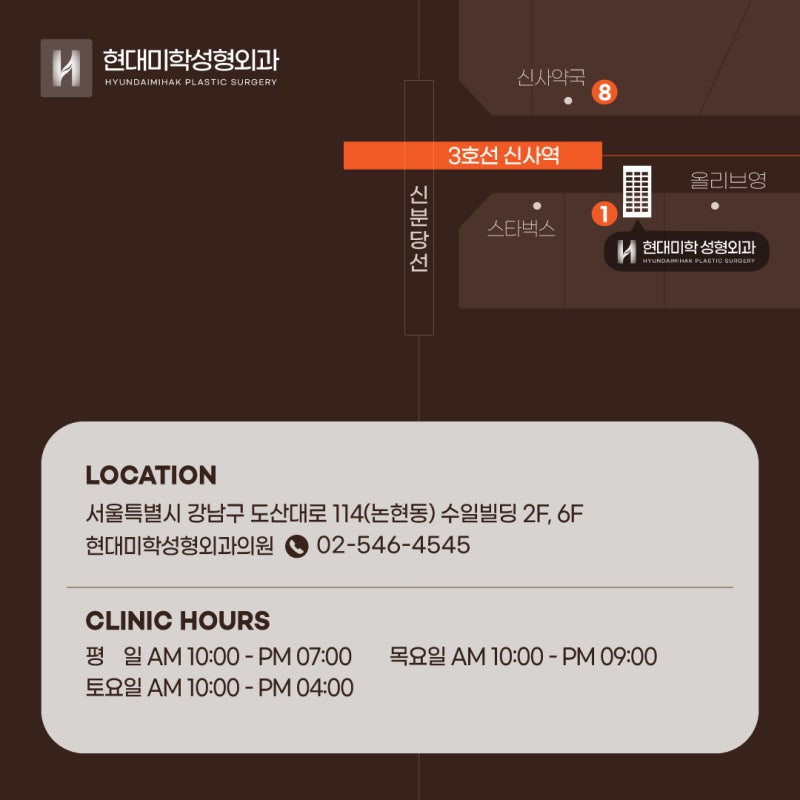
Hyundai Aesthetic Surgery Clinic
2nd and 6th Floors, Suil Building, 114 Dosan-daero, Gangnam-gu, Seoul
Save You can save places of interest to MY Place. Close popup
Saved to the 'My Places' folder.
Go to MY Place Close popup
Call
Details
View Map