



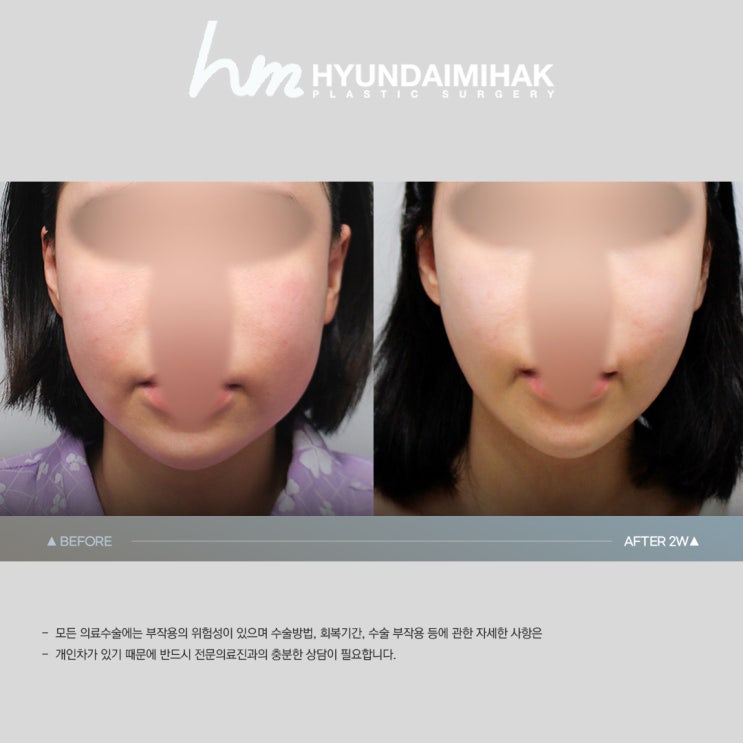
SMAS Lifting: Anti-aging lifting through minimal incisions
Hello, this is Hyundai Aesthetic Surgery. Aging comes to everyone without exception. In particular, as volume in the midface shifts downward, the area around the mouth can look heavier and nasolabial folds can deepen, easily creating a tired, less vibrant impression than before. When facing these changes, many people naturally wonder, “Can I return to the face I used to have?” However, in a busy daily life, concerns about a long recovery period or unnatural changes in facial expression often make people hesitate about surgery. This is when SMAS lifting can be considered. It is a procedure designed to lift the sagging facial structure itself.
Human facial skin is not made up only of the superficial dermal layer; beneath it is a fascial layer called the “SMAS.” This layer is connected to the facial expression muscles and is an important structure that affects facial movement and overall impression. While general lifting procedures or thread lifts work in shallower layers, SMAS lifting directly lifts this deeper fascial layer. This is why the lift can start from the deeper layers. A lifting effect can be expected particularly in the midface, including the cheeks, nasolabial folds, and mouth area.
In particular, SMAS lifting performed at Hyundai Aesthetic Surgery is carried out using a “minimal incision” technique, so the burden of scarring and recovery tends to be relatively low. A short, fine incision is made along the natural curve in front of the ear, and through this area the SMAS layer is accessed precisely to lift the sagging tissues. By minimizing the incision range in this way, the burden of scarring is lower, and facial expressions and movements tend to look natural after surgery. Compared with traditional facelift surgery, the incision range is smaller, and unlike thread lifting, it pulls the fascial layer directly.
Many people wonder how it differs from thread lifting. Thread lifting has the advantages of being relatively simple and having a fast recovery, but its lifting tends to last a relatively short time. In contrast, SMAS lifting directly tightens the stretched fascial layer through an incision, aiming for a lift that starts from the underlying structure. Rather than simply placing threads, it accurately reaches and lifts the necessary areas, addressing the underlying cause of sagging more fundamentally. The lifting effect becomes visible as the swelling settles, and how long the results last varies from person to person.
Recovery speed is also one of the appealing points of this procedure. Because the incision range is small and tissue damage is minimal, postoperative pain, bleeding, and swelling tend to subside relatively quickly. Most cases are performed under sedation anesthesia, and light activities or going out are possible from the day of surgery or the following day. The recovery period varies from person to person. Bruising and swelling vary by individual, but they often fade naturally within 1 to 2 weeks. If you have important events, photo shoots, or public activities coming up, the schedule can be planned together at your consultation.
In conclusion, SMAS lifting is not simply a surgery that pulls the face; it focuses on understanding and improving the deeper facial structures. It is especially well suited to those with noticeable midface cheek sagging, nasolabial folds, and changes in the mouth-line area, and the recovery period tends to be short, with natural results and a relatively long-lasting effect to be expected. Of course, the same method may not be the right answer for everyone, so before the procedure, it is important to have a thorough consultation with medical staff and carefully choose the method that suits your current skin condition and goals. If you would like to give your face a “second elasticity,” now may be the right time to seriously consider SMAS lifting.