Alar Reduction: A Small but Definite Change
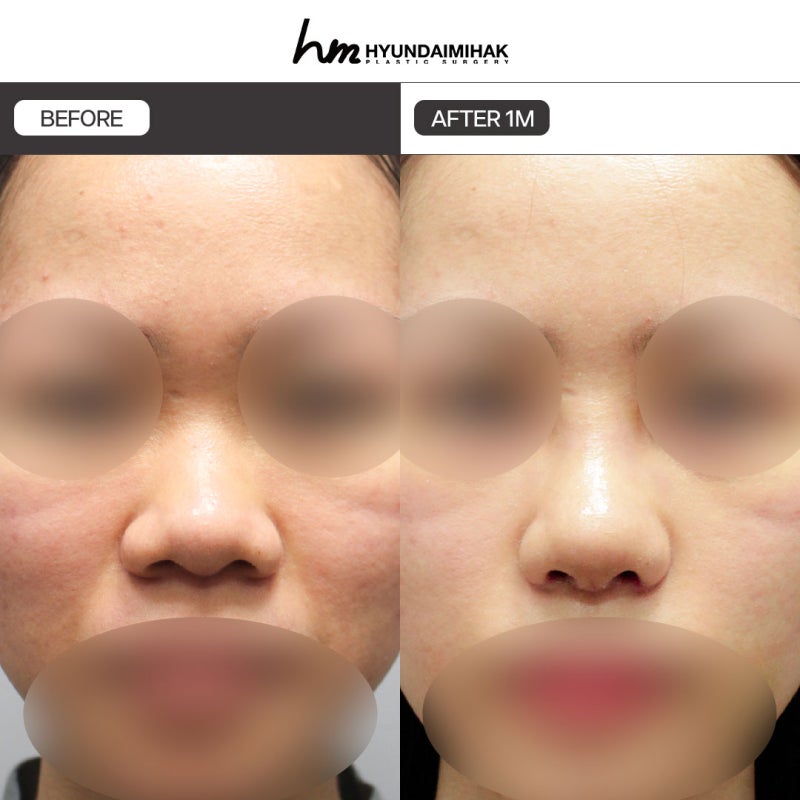
Hello, this is Hyundai Aesthetic Surgery. When the nostril wings look wide or spread out, the overall impression can easily appear blunt and heavy. Because the nose is located at the center of the face and plays an important role in defining one’s impression, even a subtle change can make the image look noticeably different. In particular, many Asian patients tend to have relatively wide and thick nasal alae, and many feel that this does not suit their facial image. Among those who visit us with these concerns, many are unaware that refining only the alar area, rather than raising the nasal bridge, can make the overall impression look much more refined.
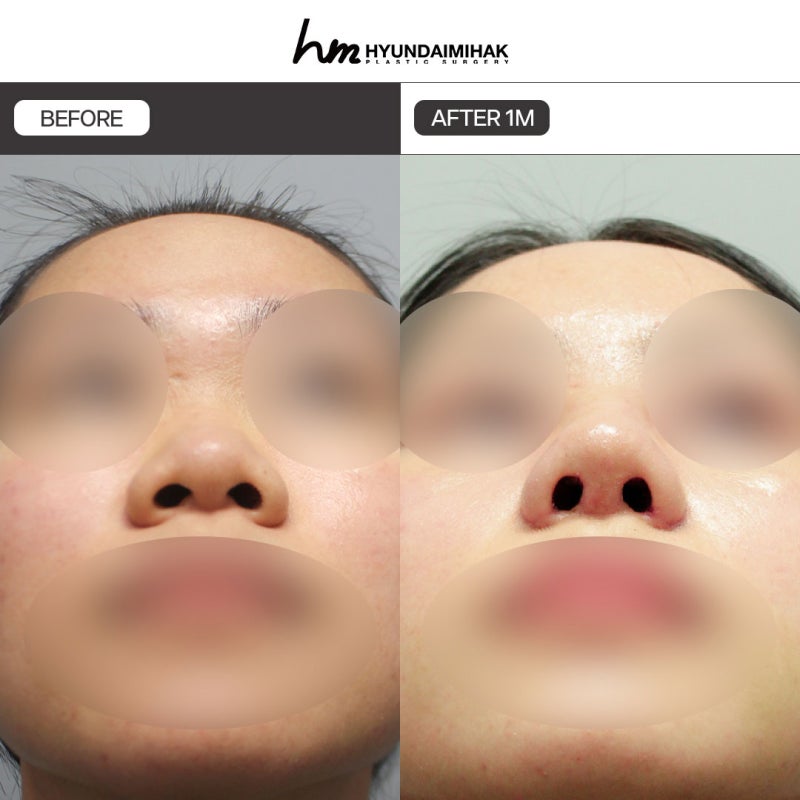
Alar reduction can be understood as a procedure that reduces the horizontal width of the nose to add dimension and balance. When the nose is low or wide, the width of the nostril wings can appear even more prominent, so it is often performed together with nasal bridge or nasal tip surgery. Conversely, even when there is no plan for surgery on the bridge or tip of the nose, alar reduction alone can create a clean and well-defined impression. Above all, although many people worry about scarring and recovery, Hyundai Aesthetic Surgery performs the procedure using methods such as internal incision, external incision, or combined incision according to each person’s nasal shape, minimizing the burden of visible scarring.
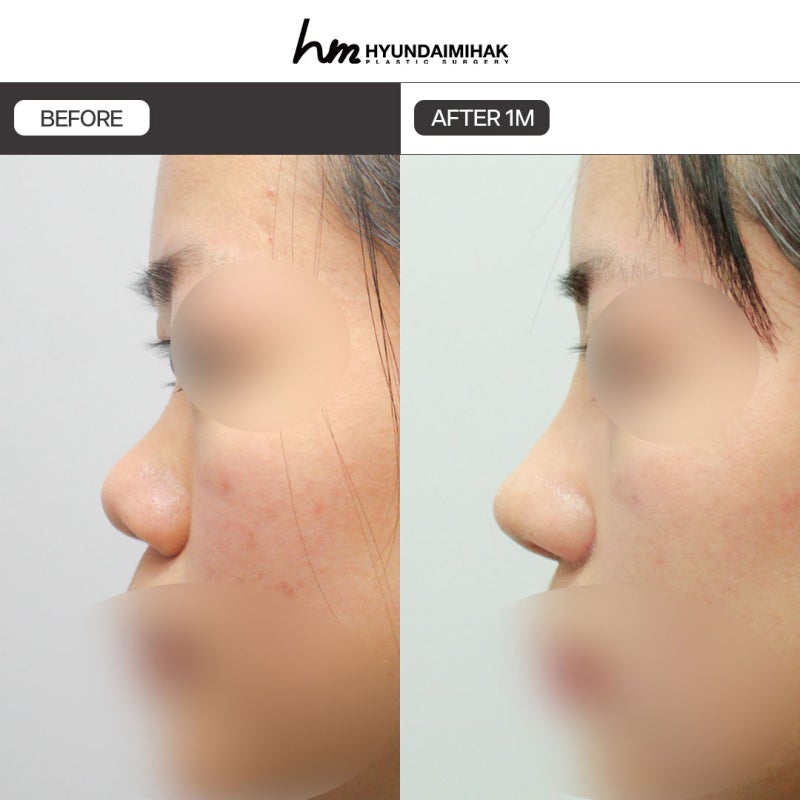
The internal incision method, as the name suggests, involves making an incision inside the nose, so no scar is visible externally, making it highly preferred from an aesthetic standpoint. The external incision method, on the other hand, reduces tissue by making an incision along the outer boundary of the nostril wing, allowing more precise width control. The surgical method is decided after considering factors such as skin elasticity, alar thickness, and symmetry. When an external incision is performed, postoperative care such as scar ointment, sun protection, and massage is important. In alar reduction, the surgery itself is important, but satisfactory results can only be expected when comprehensive care, including aftercare, is provided.
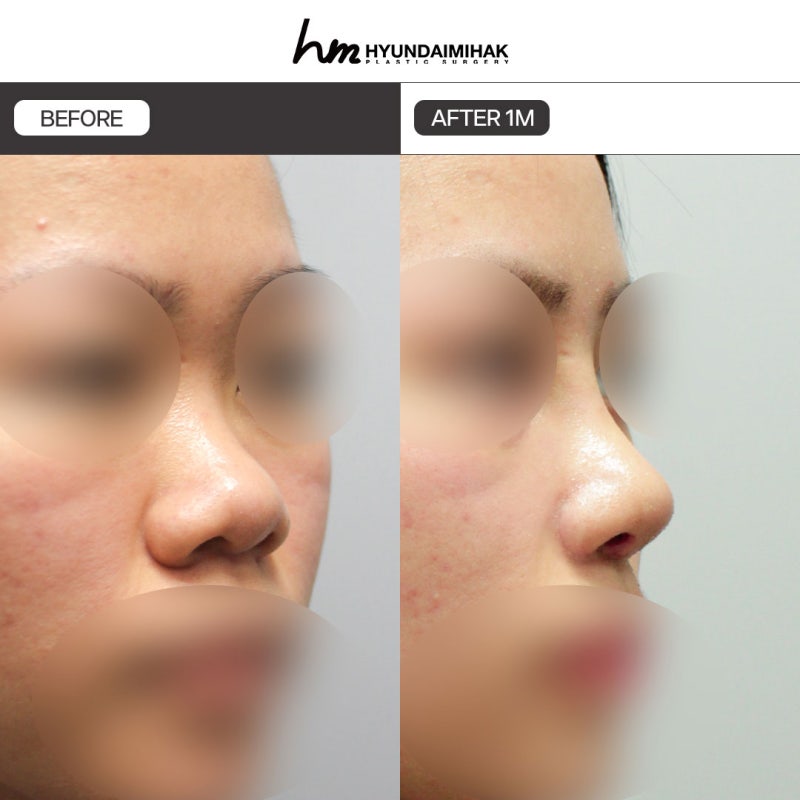
There are many different cases in which alar reduction may be needed. Common examples include nostrils that appear excessively wide or spread out, severe left-right asymmetry, functional issues such as discomfort when breathing, and cases requiring revision surgery due to unsatisfactory results from a previous procedure. In every case, what matters is receiving an accurate diagnosis that takes into account various factors, including the patient’s facial shape, nasal height, and septal angle. In particular, predicting the postoperative result in advance and having a thorough consultation with the medical team are considered essential.
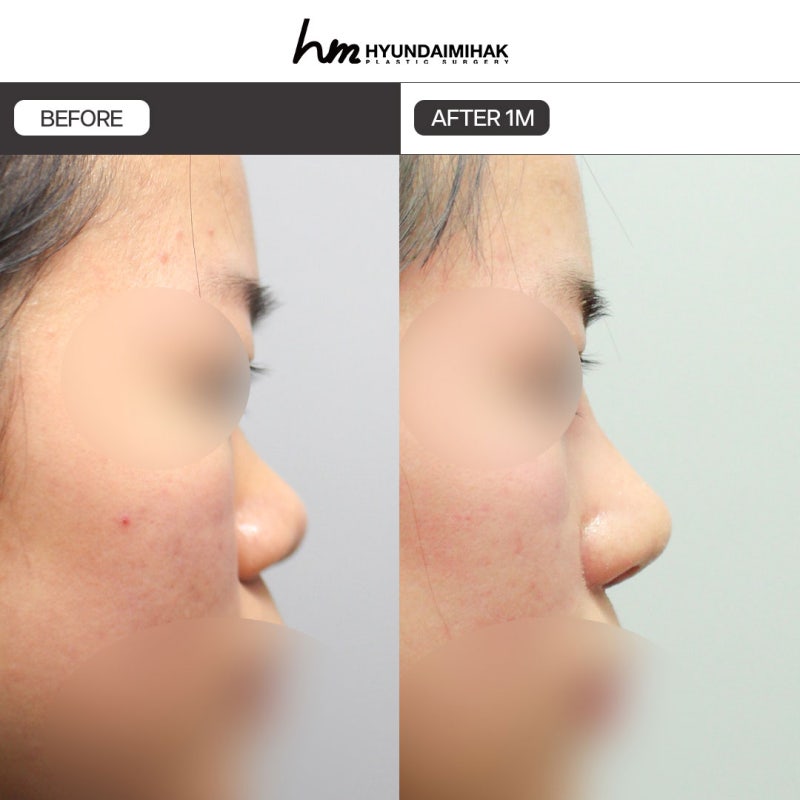
Careful attention is also required during the recovery stage after surgery. During the first 1 to 2 weeks, cold compresses to minimize swelling and bruising, sleeping with the head elevated, and limiting excessive movement are necessary. To prevent infection, it is best not to touch the nose with your hands and to consistently use the cleanser and antibiotics prescribed by the doctor. If an external incision was involved, sunscreen or scar-specific ointment should be used, and from an appropriate point in recovery, massage should also be performed to help prevent adhesions. In addition, avoiding swimming, saunas, alcohol, and smoking for 2 weeks after surgery, as well as refraining from blowing the nose forcefully, is key to supporting recovery.
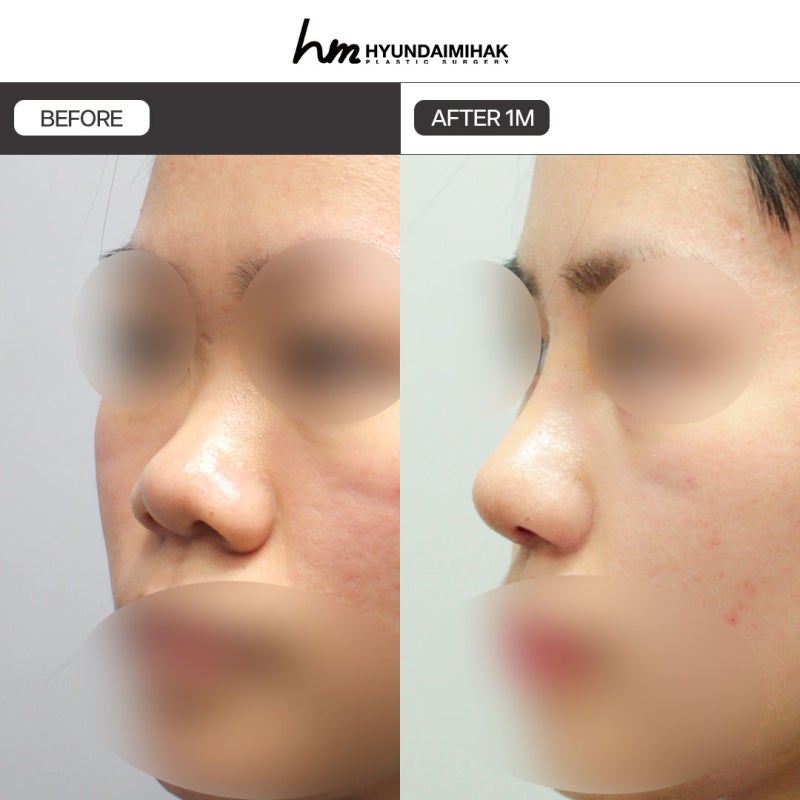
Alar reduction is a delicate procedure that can make the face’s first impression softer and more refined, so the medical team’s skill, the clinic’s experience, and aftercare should all be carefully considered. If you want a clearer and more confident impression, please feel free to schedule a consultation.